+86 183 3953 1958
中文
Equipment Purpose and System Role
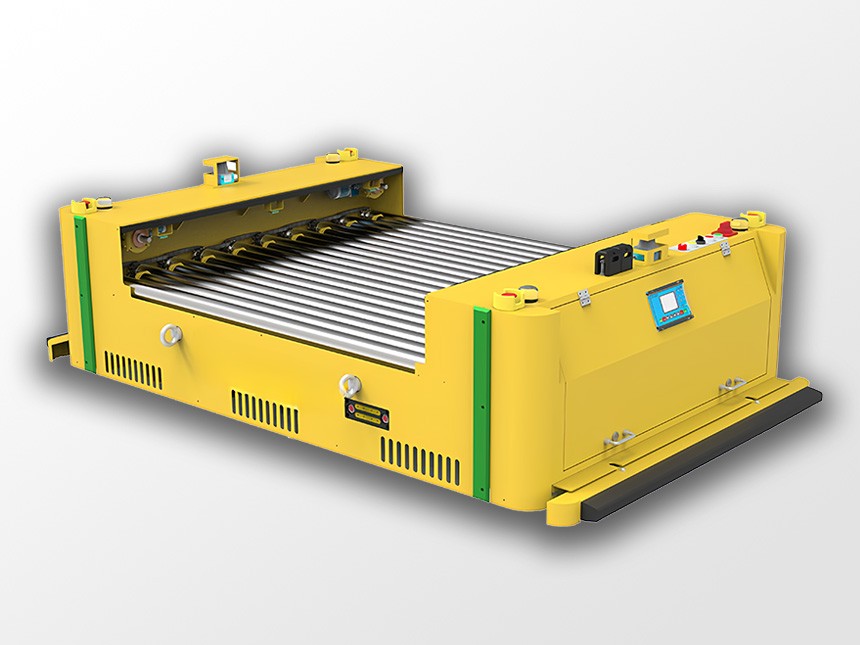
Automated Guided Vehicles (AGVs) are engineered to optimize internal logistics by enabling automated, continuous, and synchronized material transport across industrial facilities. As a core element of intelligent material handling systems, AGVs replace manual transport processes with standardized, data-driven workflows.
AGVs operate along predefined routes or dynamically planned paths, ensuring consistent material delivery between warehouses, production lines, assembly areas, and buffer zones. This makes them especially effective in facilities with high transport frequency and tight production scheduling requirements.
Many manufacturing and logistics operations experience inefficiencies caused by fragmented material flow and manual handling. Common issues include:
Bottlenecks caused by unscheduled material transport
Production downtime due to delayed part delivery
Excessive manual coordination between departments
Difficulty maintaining consistent throughput
By deploying Automated Guided Vehicles, internal logistics becomes predictable and synchronized with production rhythm. AGVs reduce idle time between processes, stabilize material supply, and support continuous-flow manufacturing strategies.
AGVs are widely used in industries where operational efficiency and process stability are critical, including:
Automotive manufacturing and assembly
Industrial equipment and component production
Warehouse-to-line material supply systems
Electronics and precision manufacturing
Energy, power equipment, and heavy industry facilities
Their flexible configuration allows AGVs to support both lightweight components and heavy industrial loads while maintaining stable performance.
| Parameter | Specification |
|---|---|
| Vehicle Type | Automated Guided Vehicle (AGV) |
| Load Capacity | 2 – 60 tons (customizable) |
| Drive System | Electric motor with gearbox |
| Power Source | Battery powered |
| Navigation Options | Magnetic, QR code, laser guidance |
| Running Speed | 0–45 m/min (variable) |
| Control Method | PLC / Industrial automation controller |
| Communication | Wireless data transmission |
| Braking System | Electromagnetic braking |
| Safety Features | Emergency stop, collision avoidance sensors |
| Working Environment | Indoor industrial facilities |
To enhance system performance and adaptability, AGVs can be equipped with:
Automatic charging stations
Intelligent traffic management system
Lifting or rotating load platforms
Visual and audible warning devices
High-capacity battery packs
Custom docking and positioning devices
These options allow AGVs to be integrated into complex production environments with minimal modification to existing infrastructure.