+86 183 3953 1958
中文
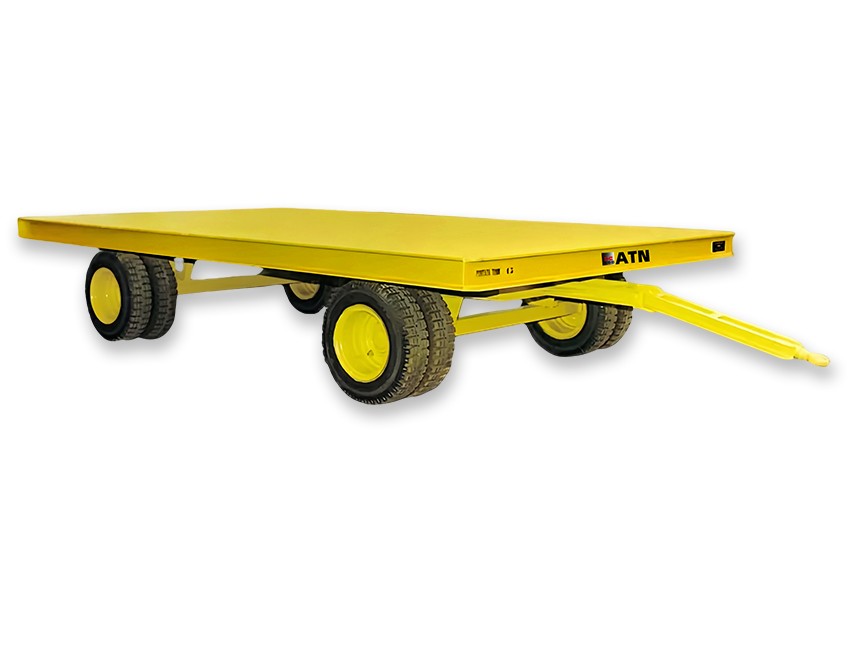
The Heavy Duty Flatbed Trailer is engineered for the safe and efficient transportation of heavy, long, and oversized cargo that cannot be accommodated by enclosed or standard trailers. With its open-deck structure, reinforced frame, and high load-bearing capacity, this type of trailer is widely adopted in industrial environments where flexibility, strength, and reliability are critical.
Unlike box trailers or containerized transport solutions, flatbed trailers allow cargo to be loaded from the top, side, or rear using cranes, forklifts, or overhead lifting systems. This makes them particularly suitable for irregularly shaped equipment, steel structures, machinery modules, prefabricated components, and other non-standard loads.
The design focuses on load stability, structural durability, and compliance with demanding industrial transport requirements, ensuring consistent performance under continuous heavy-duty operation.
Oversized equipment cannot be loaded into enclosed trailers
Long materials exceed standard trailer dimensions
Heavy loads cause deformation or fatigue in ordinary trailer frames
Complex loading procedures reduce efficiency and increase labor costs
Cargo shifting during transport leads to safety risks and damage
Open and Flexible Loading Space – suitable for extra-long, wide, or tall cargo
Reinforced Structural Design – prevents frame bending under extreme loads
Multiple Load Securing Points – improves cargo stability during transport
High Compatibility with Loading Equipment – cranes, forklifts, and gantry systems
Reduced Loading and Unloading Time – increasing overall logistics efficiency
These advantages make flatbed trailers an essential transport solution in production-driven and project-based industries.
Heavy Duty Flatbed Trailers are extensively used across multiple industrial sectors, including:
Construction & Infrastructure
Transport of steel beams, concrete modules, construction machinery, and scaffolding systems.
Manufacturing & Industrial Plants
Movement of large mechanical assemblies, molds, production equipment, and industrial components.
Energy & Power Projects
Handling of transformers, wind turbine components, generators, and heavy electrical equipment.
Logistics & Freight Transport
Transportation of oversized cargo, special freight, and non-containerized industrial goods.
Shipbuilding & Heavy Engineering
Transfer of structural parts, ship sections, and heavy fabrication assemblies.
The trailer structure is optimized for strength, balance, and durability:
High-strength steel main frame with anti-fatigue design
Even load distribution across axles to enhance stability
Anti-slip flatbed surface to improve cargo safety
Modular design supporting size and load customization
Designed for long-term continuous operation in harsh environments
| Item | Specification |
|---|---|
| Load Capacity | 20–100 tons (customizable) |
| Trailer Type | Heavy Duty Flatbed Trailer |
| Deck Length | 8–18 m (custom options available) |
| Deck Width | 2.5–3.5 m |
| Deck Height | Low-profile design |
| Frame Material | High-strength structural steel |
| Axle Configuration | Multi-axle optional |
| Suspension System | Mechanical / Air suspension (optional) |
| Braking System | Air brake / Hydraulic brake |
| Surface Treatment | Anti-corrosion coating |
| Operating Environment | Outdoor / Industrial environments |
To meet different project and transport requirements, the following options are available:
Removable or Foldable Ramps – for equipment loading
Side Stakes or Stake Pockets – for long material transport
Twist Locks – for container or modular cargo
Heavy Duty Lashing Rings – enhanced cargo securing
Anti-Slip Steel or Hardwood Decking
Custom Deck Size and Load Capacity
Additional Axles for Extra-Heavy Loads
These configurable options allow the trailer to be precisely matched to specific operational needs.
The Heavy Duty Flatbed Trailer is a proven transport solution for industries that demand strength, flexibility, and reliability. By combining a robust structural design with versatile loading capabilities, it effectively reduces transport risks, improves operational efficiency, and supports the safe handling of oversized and heavy cargo.
For companies involved in industrial manufacturing, construction projects, or large-scale logistics operations, this trailer provides long-term value and dependable performance.