+86 183 3953 1958
中文
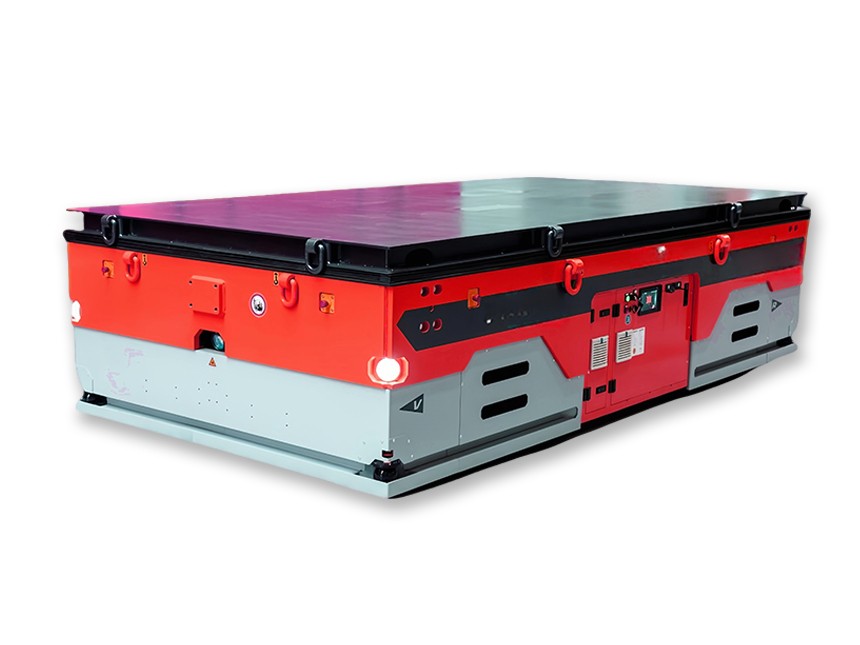
Buying electric transfer carts direct from the factory rather than through distributors, dealers, or integrators offers advantages that can significantly reduce cost, improve customization, and strengthen the buyer-supplier relationship. The factory-direct model eliminates the markup that intermediaries add to the product price, provides direct access to the engineering and production teams that design and build the carts, and enables communication that is unfiltered by third-party interpretation. For buyers who have the technical capability to specify their requirements and manage the purchasing process, factory-direct purchasing is often the optimal approach.
The most tangible benefit of factory-direct purchasing is cost savings. Distributors and dealers typically add a markup of 15-30% to the factory price to cover their sales, marketing, inventory, and service costs. For a cart with a factory price of $50,000, this markup amounts to $7,500 to $15,000 per unit. System integrators, who provide design, installation, and commissioning services in addition to equipment supply, may add even larger markups that reflect the engineering and project management effort they provide. By purchasing direct from the factory, the buyer eliminates this markup and pays only for the equipment and the factory's direct costs.
The cost savings from factory-direct purchasing extend beyond the initial purchase price. Factory-direct buyers often have access to volume discounts, early-payment discounts, and promotional pricing that are not available through distributors. They can negotiate payment terms, delivery schedules, and warranty conditions directly with the factory, without the constraints of the distributor's standard terms. And they can avoid the hidden costs that intermediaries may add—charges for documentation, training, or technical support that the factory provides at no additional cost. The total cost savings from factory-direct purchasing can amount to 20-40% of the distributor price, depending on the product and the market.
Factory-direct purchasing provides direct access to the engineering team that designs the carts, enabling customization that may be difficult or impossible to achieve through intermediaries. When a buyer works through a distributor, customization requests must be communicated through the distributor to the factory, with the potential for misunderstanding, delay, and additional markup. When a buyer works directly with the factory, customization requests are discussed with the engineers who will implement them, ensuring that the requirements are understood correctly and that the design solution is optimized for the application.
Direct engineering access also enables collaborative design, where the buyer's operational expertise is combined with the factory's engineering expertise to produce a cart design that is better than either party could develop independently. This collaboration is particularly valuable for complex applications—hazardous environments, extreme loads, or integration with existing systems—where the design requirements are not fully captured by standard specifications. The factory's engineers can visit the buyer's facility, observe the operating conditions, and propose design solutions that address requirements the buyer may not have articulated. This level of engagement is rarely available through distributor channels.
Factory-direct purchasing creates a direct communication channel between the buyer and the supplier that improves responsiveness and reduces miscommunication. Questions about specifications, delivery, or technical issues are answered by the people who have direct knowledge, not by sales representatives who must relay inquiries through multiple layers. Changes to orders, schedules, or requirements are communicated directly to the production planners who will implement them, without the delay and potential for error that comes from communication through intermediaries. And problems—quality issues, delivery delays, or performance shortfalls—are escalated directly to factory management, who have the authority and the incentive to resolve them quickly.
This direct communication is particularly valuable during the critical phases of a project: the specification phase, when requirements are being defined and design decisions are being made; the production phase, when schedule adherence and quality control are critical; and the startup phase, when technical issues must be resolved quickly to achieve operational readiness. A buyer who has a direct relationship with the factory can address issues in hours or days that might take weeks to resolve through a distributor channel. This responsiveness reduces project risk and accelerates time to value.
Factory-direct buyers typically receive more comprehensive technical documentation and support than buyers who purchase through distributors. The factory provides complete documentation—design drawings, electrical schematics, parts lists, maintenance manuals, and operating instructions—that enables the buyer's technical staff to understand, operate, and maintain the equipment without dependence on the supplier. This documentation is often not available through distributor channels, where the distributor may provide only summary documentation to protect the factory's intellectual property or to maintain the buyer's dependence on the distributor for service.
Factory-direct technical support includes direct access to the factory's technical staff for questions, troubleshooting, and training. The factory's technical staff have deep knowledge of the equipment design and can provide expert guidance on operation, maintenance, and problem resolution. This support may be provided through phone, email, video conference, or on-site visits, depending on the factory's capabilities and the buyer's requirements. For buyers with in-house technical capability, this direct support enables self-sufficiency in equipment operation and maintenance, reducing long-term dependence on the supplier and lowering total cost of ownership.
Despite the advantages of factory-direct purchasing, it is not the best choice for every buyer. Buyers who lack the technical capability to specify requirements, evaluate proposals, and manage the purchasing process may benefit from the guidance that a knowledgeable distributor or integrator can provide. Buyers who need a single source for multiple products from multiple manufacturers may find that a distributor provides procurement efficiency that offsets the higher price. And buyers who require extensive local service—on-site maintenance, emergency repairs, or spare parts delivery within hours—may find that a local distributor provides service responsiveness that a distant factory cannot match.
The decision between factory-direct and intermediary purchasing should be based on an honest assessment of the buyer's capabilities and requirements. A buyer with strong technical staff, clear requirements, and a long-term perspective on supplier relationships will typically benefit from factory-direct purchasing. A buyer with limited technical resources, complex multi-vendor requirements, or a need for extensive local service may be better served by an intermediary. The optimal purchasing strategy is the one that provides the best total value for the buyer's specific situation, not the one that follows a theoretical ideal.