+86 183 3953 1958
中文
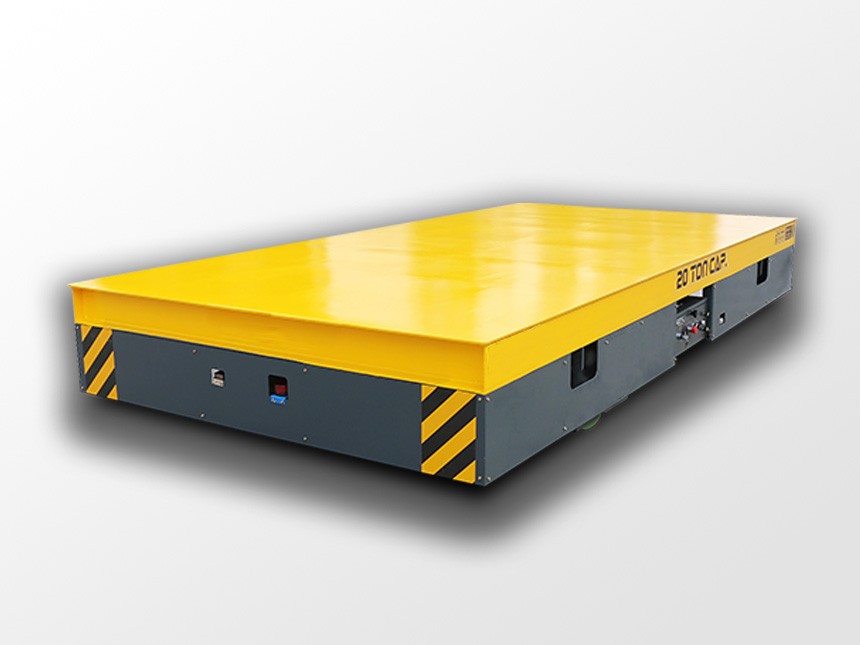
Selecting a supplier for heavy duty electric platform carts is a strategic decision that affects not just the initial purchase but the entire service life of the equipment. The right supplier provides carts that meet specifications, delivers on schedule, supports the equipment with parts and service, and stands behind the product with a meaningful warranty. The wrong supplier delivers late, provides substandard equipment, disappears when problems arise, and makes warranties that are not honored. The difference between a good supplier and a bad supplier can amount to hundreds of thousands of dollars in added costs, lost production, and operational frustration over the life of the equipment. The supplier selection process should therefore be approached with the same rigor as the equipment specification process.
The first criterion for evaluating a heavy duty electric platform cart supplier is manufacturing capability: does the supplier have the facilities, equipment, and expertise to build the carts you need? Heavy duty carts—carts with capacities of 10 tons, 50 tons, or even hundreds of tons—require specialized manufacturing capabilities that not all suppliers possess. The evaluation of manufacturing capabilities should include: facility inspection—a visit to the supplier's manufacturing facility to observe the production process, inspect the equipment, and assess the quality of work in progress; engineering capability—evaluation of the supplier's engineering staff, design software, and analysis tools to confirm that they can design carts for your specific requirements; quality systems—review of the supplier's quality management system, including inspection procedures, testing protocols, and documentation practices; and production capacity—confirmation that the supplier has the capacity to deliver your order on your required schedule, without compromising quality to meet deadlines.
The manufacturing capability evaluation should also consider the supplier's experience with applications similar to yours. A supplier that has built carts for steel mills, shipyards, or aerospace facilities will have relevant experience that a supplier focused on light industrial applications may lack. This experience translates into better design decisions, fewer startup problems, and more reliable operation. Request references from customers with similar applications, and contact these references to verify the supplier's performance in real-world conditions.
Product quality is the most important factor in supplier selection, and it is also the most difficult to evaluate before purchase. Quality evaluation should include: design standards—confirmation that the supplier designs to recognized engineering standards (ISO, DIN, ANSI, or equivalent) and that the designs are reviewed and approved by qualified engineers; material certification—verification that the materials used in construction—steel, aluminum, electrical components, batteries—meet specified standards and are accompanied by material certifications; welding and fabrication quality—inspection of welds, machining, and assembly for conformance to quality standards, including non-destructive testing where required; and functional testing—confirmation that each cart is functionally tested before shipment, including load testing, speed verification, brake testing, and control system verification.
Quality certification from third-party organizations provides additional assurance of product quality. Look for suppliers that have ISO 9001 quality management system certification, CE marking for European applications, or other relevant certifications that demonstrate commitment to quality. Request copies of certification documents and verify their validity with the issuing organizations. Be cautious of suppliers that claim certifications they do not actually hold, or that provide counterfeit documentation. The verification of certifications is a simple step that can prevent serious problems later.
The purchase of a heavy duty electric platform cart is the beginning of a relationship, not the end of a transaction. Over the cart's service life—which may be 10, 20, or more years—the buyer will need technical support, spare parts, maintenance service, and possibly upgrades or modifications. The supplier's ability to provide these services is critical to the cart's long-term performance and value. Evaluation of technical support and service capabilities should include: spare parts availability—confirmation that the supplier maintains an inventory of spare parts and can deliver them within an acceptable timeframe; technical documentation—availability of complete technical documentation, including drawings, manuals, and parts lists, in a language and format that your maintenance staff can use; field service capability—availability of qualified technicians who can perform on-site maintenance, repairs, and modifications; and training programs—availability of operator training and maintenance training to ensure that your staff can operate and maintain the equipment safely and effectively.
The geographic proximity of the supplier to your facility affects service response time and cost. A local or regional supplier can typically provide faster service response and lower travel costs than a distant supplier. However, proximity should not override capability: a distant supplier with excellent service may be a better choice than a local supplier with poor service. Evaluate service capabilities based on response time commitments, service quality history, and customer references rather than on geographic convenience alone.
The financial stability of the supplier is an often-overlooked factor that can have significant consequences. A supplier that goes out of business, or that is acquired by a competitor that discontinues the product line, leaves the buyer without a source of spare parts, technical support, or warranty service. The evaluation of financial stability should include: credit check—a review of the supplier's credit rating and financial statements to assess their financial health; business history—evaluation of how long the supplier has been in business and their track record of stability and growth; and ownership structure—understanding whether the supplier is independently owned, part of a larger group, or subject to acquisition. A supplier with a long history, strong financials, and stable ownership is more likely to be a reliable long-term partner than a new entrant or a financially stressed company.
The financial evaluation should also consider the supplier's investment in product development and manufacturing improvement. A supplier that invests in new technologies, improved production methods, and enhanced quality systems is more likely to remain competitive and to support their products over the long term than a supplier that is not investing. Ask about the supplier's R&D activities, their recent product introductions, and their plans for future development. A supplier that cannot articulate a clear technology and product development strategy may be a risky long-term partner.
The final supplier selection should be based on a total value assessment that considers all of the factors above—manufacturing capability, product quality, technical support, and financial stability—along with price and delivery terms. The assessment should be structured to prevent the common mistake of selecting the lowest-price supplier without considering the long-term costs of poor quality, inadequate support, or supplier failure. A structured evaluation matrix that weights each factor according to its importance to your application provides an objective framework for comparing suppliers and justifying the selection decision.
The total value assessment should also consider intangible factors that affect the buyer-supplier relationship: communication quality—does the supplier respond promptly and clearly to inquiries?; flexibility—is the supplier willing to accommodate changes in requirements or schedule?; and problem-solving approach—does the supplier take ownership of problems and work collaboratively to resolve them? These intangible factors are difficult to quantify but have a significant impact on the success of the relationship. A supplier that is technically capable but difficult to work with may not be the best choice if an alternative supplier provides adequate capability with better communication and collaboration.