+86 183 3953 1958
中文
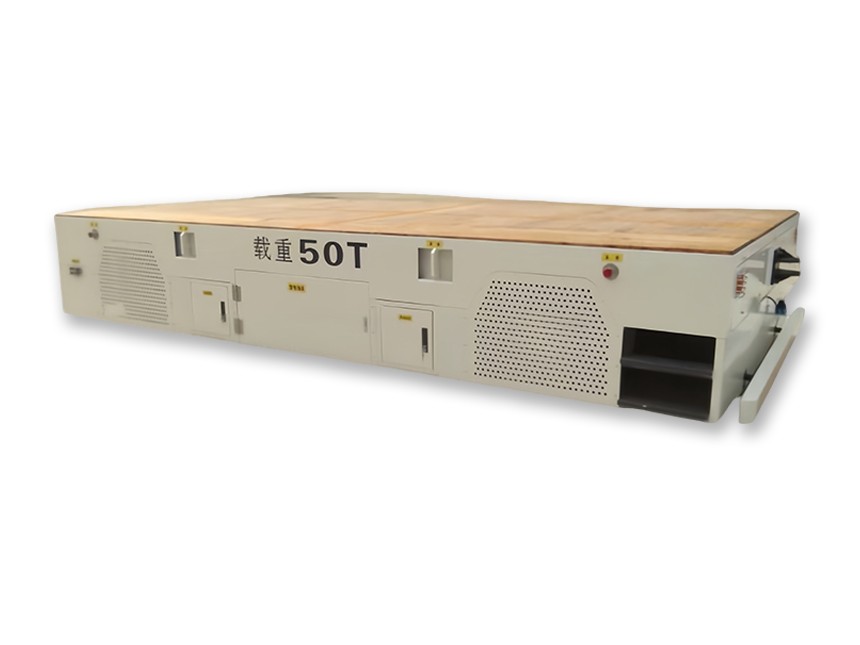
Industrial cart performance optimization is the systematic process of improving the efficiency, reliability, and cost-effectiveness of material transport operations. While basic cart operation—loading, transporting, and unloading—is straightforward, optimizing performance requires a deeper understanding of the factors that affect cart productivity and the strategies that can improve it. Performance optimization encompasses speed management, route planning, load optimization, maintenance scheduling, and energy management, all of which contribute to the total cost and effectiveness of the cart operation. A facility that optimizes cart performance can achieve throughput improvements of 20% or more without adding equipment, and can reduce operating costs by similar margins through improved efficiency and reduced maintenance.
The speed at which an industrial cart operates is one of the most significant factors affecting performance, and it is also one of the most misunderstood. Higher speed reduces transport time and increases throughput, but it also increases safety risk, energy consumption, and wear on components. The optimal speed for a cart operation is not the maximum speed that the cart can achieve; it is the speed that minimizes total transport time while maintaining safety and controlling operating costs. This optimal speed depends on the route characteristics, the load conditions, the traffic environment, and the safety requirements of the facility.
Speed management strategies for industrial cart optimization include: variable speed control—using electronic speed controllers that adjust cart speed based on route segment, load weight, and traffic conditions; speed zoning—defining different speed limits for different areas of the facility, with lower speeds in congested areas and higher speeds in open areas; acceleration and deceleration optimization—tuning the acceleration and deceleration profiles to minimize transport time without exceeding the mechanical limits of the cart or the safety limits of the environment; and speed monitoring—using telemetry systems to track actual cart speeds and identify operators or routes where speed management can be improved. These strategies produce performance improvements that are sustainable because they are based on operational discipline rather than pushing equipment beyond its design limits.
The route that a cart follows between loading and unloading points has a direct impact on transport time, energy consumption, and component wear. A poorly planned route may include unnecessary detours, congested areas, or adverse grades that increase transport time and energy use. Route planning for industrial cart optimization should address: direct routing—selecting the shortest practical path between origin and destination, considering obstacles, traffic patterns, and safety requirements; grade avoidance—minimizing travel on uphill grades that increase energy consumption and downhill grades that increase brake wear; traffic management—scheduling cart movements to avoid congestion at intersections, doorways, and shared aisles; and dynamic routing—adjusting routes in real-time based on traffic conditions, equipment availability, and priority changes.
The implementation of optimized routing requires both physical infrastructure and operational discipline. The facility layout should support direct routing with wide aisles, clear intersections, and minimal obstacles. The cart control system should support route programming and dynamic adjustment. And the operators should be trained to follow programmed routes and to report route inefficiencies that can be addressed in future planning. A facility that invests in route optimization typically sees transport time reductions of 10-15% and energy consumption reductions of similar magnitude, with corresponding improvements in cart availability and component life.
Load optimization is the practice of maximizing the utilization of the cart's load capacity on each transport trip. Underutilized capacity—transporting partial loads when the cart could handle a full load—wastes transport capacity, increases the number of trips required, and reduces overall system throughput. Load optimization strategies include: load consolidation—combining multiple small loads into a single full-load trip, either by scheduling deliveries to coincide or by using staging areas to accumulate loads; load matching—matching the cart capacity to the load requirements, using smaller carts for light loads and larger carts for heavy loads to avoid over-specification or under-utilization; and scheduling optimization—coordinating production schedules with transport schedules to ensure that loads are ready for transport when the cart is available, minimizing waiting time and maximizing trip frequency.
The benefits of load optimization extend beyond transport efficiency. Full-load operation reduces the number of trips, which reduces energy consumption, component wear, and operator labor per unit of material moved. It reduces traffic congestion by reducing the number of carts on the route at any given time. And it improves production flow by ensuring that material is moved in efficient batches rather than in a continuous stream of small deliveries. The analysis of load utilization should be a regular part of the cart performance review, with targets for average load factor and action plans for improvement when utilization falls below target.
Energy management is a critical component of industrial cart performance optimization, particularly for battery-powered electric carts. The energy consumed by the cart affects operating costs, battery life, and environmental impact. Energy management strategies include: regenerative braking—capturing the kinetic energy of the cart during deceleration and returning it to the battery, reducing net energy consumption and brake wear; efficient driving—training operators to avoid unnecessary acceleration, to coast where possible, and to maintain steady speeds that minimize energy use; charging optimization—charging batteries at the optimal rate and depth of discharge to maximize battery life and minimize energy waste; and load-based energy management—adjusting cart speed and acceleration based on load weight, reducing energy consumption for light loads while maintaining performance for heavy loads.
The measurement of energy consumption is the foundation of energy management. Carts should be equipped with energy monitoring systems that track energy consumption per trip, per shift, and per unit of material moved. This data enables the identification of energy inefficiencies—routes with excessive grades, operators with aggressive driving styles, or carts with degraded batteries that consume more energy than expected—and the development of targeted improvement actions. Energy management is not just a cost reduction strategy; it is also a sustainability strategy that reduces the environmental footprint of material transport operations.
Predictive maintenance is the practice of using condition monitoring data to predict component failures before they occur, enabling maintenance to be scheduled at the optimal time—after the component has degraded but before it fails. Predictive maintenance for industrial carts includes: battery condition monitoring—tracking battery voltage, temperature, and internal resistance to predict battery failure and optimize replacement timing; motor condition monitoring—tracking motor temperature, vibration, and current draw to detect bearing wear, insulation degradation, or overload conditions; and brake condition monitoring—tracking brake pad wear, brake force, and response time to predict brake failure and schedule replacement. These monitoring systems use sensors and data analysis to transform maintenance from a reactive, schedule-based activity to a proactive, condition-based activity.
The benefits of predictive maintenance include reduced downtime, extended component life, and lower maintenance costs. By replacing components before they fail but after they have degraded, predictive maintenance avoids the emergency repairs and production disruptions that result from unexpected failures. It avoids the premature replacement of components that still have useful life, reducing parts costs. And it enables maintenance to be scheduled during planned downtime, minimizing the impact on production. The implementation of predictive maintenance requires investment in monitoring systems and data analysis capabilities, but the return on this investment is typically achieved within the first year through reduced downtime and maintenance costs.