+86 183 3953 1958
中文
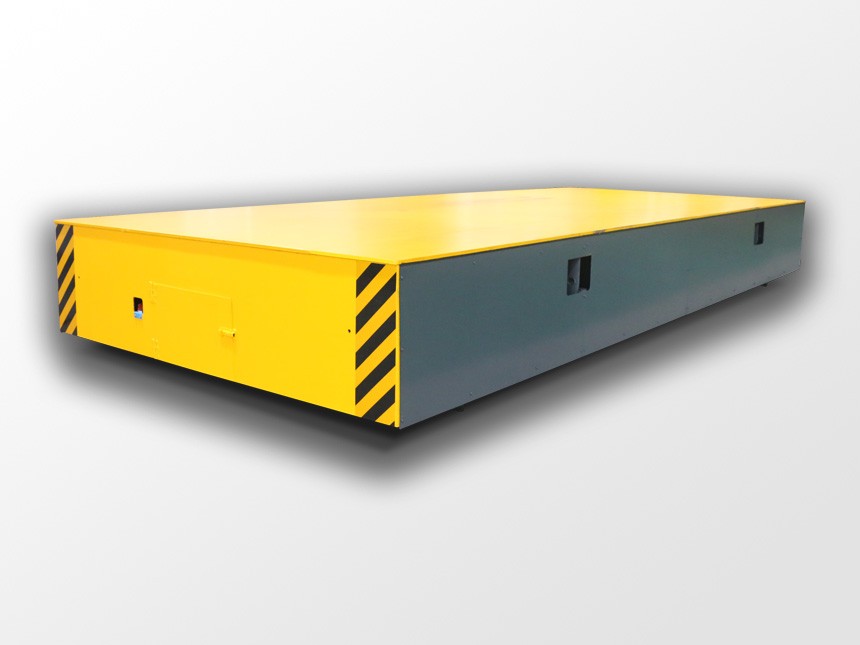
The mining industry presents some of the most challenging material handling conditions in any industry. Underground mines are characterized by confined spaces, limited ventilation, wet and muddy conditions, steep grades, and the constant presence of heavy, abrasive materials. Surface mines present different challenges: extreme temperatures, dust, uneven terrain, and the need to move materials over long distances in open-air conditions. The equipment used for material handling in mining must be robust enough to survive these conditions, powerful enough to move heavy loads, and safe enough to operate in environments where a equipment failure can have catastrophic consequences. Electric flatbed carts, when properly designed for mining applications, provide a material handling solution that meets these demanding requirements.
Underground mining is the ultimate test for material transport equipment. The environment is hostile: high humidity, water ingress, abrasive dust, and limited space create conditions that accelerate wear and increase failure rates. The loads are heavy: ore, rock, and mining supplies typically weigh several tons per load. The routes are challenging: steep grades, tight turns, and uneven surfaces require equipment with high traction, strong brakes, and robust construction. And the safety requirements are stringent: equipment must be designed to prevent fires, explosions, and emissions in an environment where ventilation is limited and escape routes are few.
Electric flatbed carts for underground mining are designed with these challenges in mind. The electrical system is sealed to prevent water and dust ingress. The frame and deck are reinforced to withstand impact from heavy, abrasive loads. The drive system provides high torque for grade climbing and regenerative braking for safe descent. And the battery system is designed for the temperature extremes and charging limitations of underground operations. These design features enable electric flatbed carts to operate reliably in conditions that would quickly destroy standard industrial transport equipment.
Underground mines can contain explosive atmospheres—mixtures of methane gas and air that can ignite from a spark or hot surface. Equipment operated in these atmospheres must be explosion-proof: designed to prevent ignition of the surrounding atmosphere. Explosion-proof electric flatbed carts for mining applications incorporate: sealed enclosures—all electrical components are enclosed in sealed housings that prevent the escape of sparks or hot gases; intrinsically safe circuits—electrical circuits that are designed to be incapable of releasing sufficient energy to ignite the atmosphere; and temperature limitations—surface temperatures are limited to levels below the ignition temperature of the expected gases.
The explosion-proof certification of mining equipment is regulated by national and international standards that define the testing requirements, certification procedures, and marking requirements for equipment approved for use in hazardous atmospheres. Equipment that is not certified for the specific hazardous atmosphere of the mine should not be used, regardless of how robust its construction may be. The certification provides assurance that the equipment has been tested and verified to be safe for the intended application, and the use of non-certified equipment creates liability exposure that can be catastrophic in the event of an incident.
Surface mining operations—open-pit mines, quarries, and strip mines—require the movement of large volumes of material over long distances. While the primary material transport in surface mining is typically handled by large haul trucks, conveyors, or rail systems, electric flatbed carts play an important role in secondary transport: moving supplies, equipment, and personnel within the mine site; transporting maintenance materials to remote equipment locations; and handling materials that are not suitable for the primary transport systems. These secondary transport tasks require equipment that is versatile, reliable, and capable of operating in the harsh surface mining environment.
Electric flatbed carts for surface mining are designed with features that address the specific challenges of surface mining: high ground clearance for operation on rough, uneven terrain; heavy-duty suspension for stability and ride quality on rough surfaces; dust sealing for protection of electrical and mechanical components; and high-capacity batteries for extended operation without recharging. The carts may be equipped with all-wheel drive for traction on loose surfaces, and with heavy-duty tires that resist damage from rocks and debris. These features enable the carts to operate effectively in conditions that would immobilize standard industrial carts.
Maintenance of electric flatbed carts in mining applications is challenging because of the adverse operating conditions. Dust, moisture, and vibration accelerate wear and increase the frequency of maintenance requirements. The remote location of many mining operations makes access to spare parts and technical support difficult. And the continuous operation of mining facilities—many mines operate 24 hours per day, 7 days per week—leaves limited windows for maintenance activities. The maintenance program for mining electric flatbed carts must be designed to address these challenges.
Effective maintenance programs for mining electric flatbed carts include: preventive maintenance schedules that are accelerated compared to standard industrial applications, reflecting the higher wear rates in mining conditions; on-site spare parts inventory that includes the components most likely to fail, reducing downtime while waiting for parts delivery; operator training that includes daily inspection and minor maintenance tasks, enabling early identification of problems before they cause failure; and remote monitoring systems that provide real-time data on equipment condition, enabling predictive maintenance and reducing the frequency of unexpected failures. These maintenance practices extend equipment life and improve availability in an environment where equipment reliability is critical to production.
The economic justification for electric flatbed carts in mining applications is based on the total cost of ownership comparison with alternative transport methods. Diesel-powered equipment, while providing high power and long range, has higher operating costs due to fuel consumption, emissions control requirements, and more frequent maintenance. Diesel engines in underground mines require expensive ventilation systems to manage exhaust emissions, and the cost of ventilation can exceed the cost of the equipment itself. Electric carts eliminate emissions at the point of use, reducing ventilation requirements and improving air quality for workers.
The economic analysis should also consider the safety benefits of electric carts. The elimination of diesel fuel handling reduces fire risk. The elimination of exhaust emissions improves worker health and reduces respiratory illness. And the lower noise levels of electric carts improve communication and reduce hearing damage. These safety benefits, while difficult to quantify in financial terms, contribute to the overall economic case by reducing workers' compensation costs, improving productivity, and enhancing the mine's reputation as a safe workplace. The mining industry is increasingly recognizing that electric material handling equipment is not just an environmental choice but an economic and safety choice that produces benefits across multiple dimensions.