+86 183 3953 1958
中文
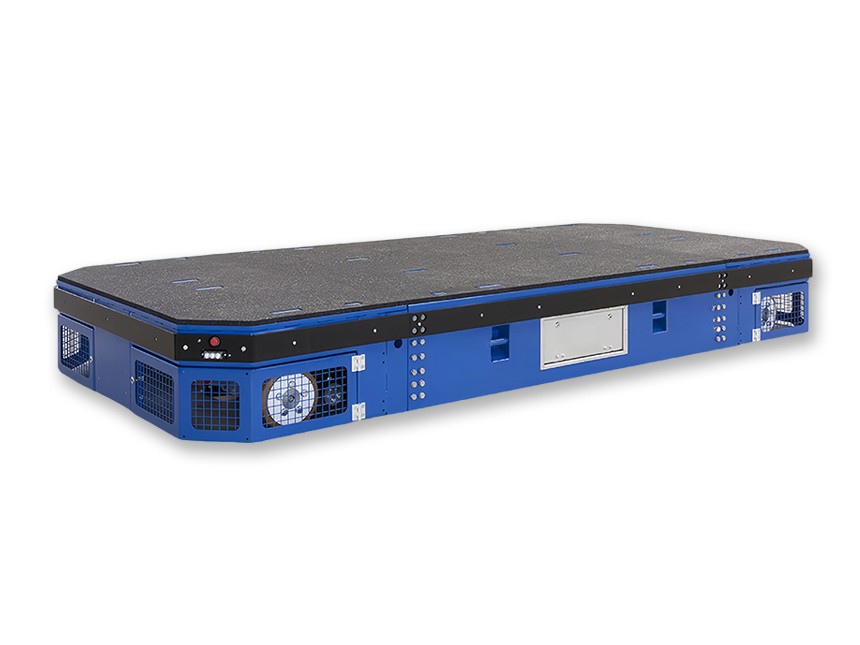
Electric flatbed carts are reliable machines, but they are not immune to failure. Like all electromechanical equipment, they are subject to wear, degradation, and occasional component failures that can disrupt operations and create safety hazards. Understanding the common failure modes of electric flatbed carts—the ways they fail, the symptoms that precede failure, and the root causes that lead to failure—is essential for operating the equipment reliably and for designing maintenance programs that prevent failures before they occur. This understanding transforms maintenance from a reactive activity—fixing failures after they happen—to a proactive activity—preventing failures before they happen.
Battery failures are the most common cause of electric flatbed cart downtime, and they are also among the most preventable. Battery failures typically manifest as reduced runtime, slow charging, inability to hold a charge, or complete failure to power the cart. The root causes of battery failures include: deep discharge—allowing the battery to discharge below its minimum voltage, which causes irreversible damage to the battery chemistry; overcharging—charging the battery beyond its recommended voltage, which causes overheating, electrolyte loss, and reduced capacity; improper watering—failing to maintain the electrolyte level in flooded lead-acid batteries, which exposes the plates to air and causes sulfation; and temperature extremes—operating or storing batteries in temperatures outside their recommended range, which accelerates chemical degradation.
The prevention of battery failures requires a disciplined battery management program that includes: regular inspection of electrolyte levels and specific gravity for flooded batteries; adherence to proper charging procedures, including charge termination at the correct voltage and avoidance of opportunity charging that does not fully recharge the battery; temperature monitoring and control, including ventilation in charging areas and avoidance of battery operation in extreme temperatures; and battery replacement scheduling based on capacity testing rather than waiting for complete failure. A well-managed battery program can extend battery life by 50% or more and can eliminate the unplanned downtime that results from unexpected battery failures.
The motor and drive system is the powertrain of the electric flatbed cart, and its failure brings the cart to a complete stop. Motor failures typically manifest as loss of power, abnormal noise, overheating, or failure to start. The root causes of motor failures include: overload—operating the cart with loads that exceed the motor's rated capacity, causing overheating and insulation damage; contamination—ingress of dust, moisture, or chemicals into the motor housing, causing bearing failure or winding damage; brush wear—in DC motors, worn brushes cause arcing, commutator damage, and reduced performance; and bearing failure—worn or contaminated bearings cause increased friction, overheating, and eventual seizure.
Drive system failures—failures of the motor controller, power electronics, or control software—can be more difficult to diagnose than motor failures because they may manifest as intermittent problems, error codes, or complete system shutdowns. The root causes of drive system failures include: electrical overload—excessive current draw from the motor that exceeds the controller's capacity; thermal stress—operating the controller at temperatures above its rated limit, causing component degradation; voltage transients—spikes or sags in the battery voltage that damage sensitive electronic components; and software errors—bugs or configuration errors in the control software that cause incorrect motor control. The prevention of motor and drive failures requires regular inspection, thermal monitoring, and adherence to the manufacturer's operating specifications.
The control system is the brain of the electric flatbed cart, processing operator inputs, monitoring system status, and commanding the motor and brake systems. Control system failures can manifest in many ways: unresponsive controls, erratic movement, failure to respond to commands, or activation of safety interlocks that prevent operation. The root causes of control system failures include: sensor failures—failed or miscalibrated position sensors, speed sensors, or load sensors that provide incorrect data to the controller; wiring failures—loose connections, corroded terminals, or damaged cables that interrupt communication between components; software errors—bugs, memory corruption, or configuration errors that cause incorrect control behavior; and electromagnetic interference—electrical noise from nearby equipment that disrupts control signals.
Control system failures are particularly challenging because they can be intermittent and difficult to reproduce. A loose connection may cause a failure only when the cart vibrates at a specific frequency. A software error may occur only under a specific combination of inputs. The diagnosis of control system failures requires systematic troubleshooting: checking error codes and diagnostic logs; inspecting wiring and connections; testing sensors for proper calibration and response; and verifying software versions and configurations. The prevention of control system failures requires regular inspection of wiring and connections, protection of control components from environmental contamination, and maintenance of software updates and backups.
The mechanical components of the electric flatbed cart—the wheels, bearings, axles, deck, and frame—are subject to wear and fatigue that can lead to failure if not properly maintained. Wheel failures typically manifest as flat spots, cracks, or excessive wear that affects ride quality and load capacity. Bearing failures manifest as noise, vibration, or increased rolling resistance. Structural failures—cracks in the frame or deck—manifest as visible damage, deformation, or unexpected flexing under load. The root causes of mechanical failures include: overload—operating the cart with loads that exceed its structural capacity; impact damage—collisions with obstacles, drops from loading equipment, or rough handling that causes structural damage; corrosion—exposure to moisture, chemicals, or salt that degrades metal components; and wear—normal degradation of moving parts from friction and loading cycles.
The prevention of mechanical failures requires a structured inspection program that identifies degradation before it progresses to failure. Wheels should be inspected for wear, damage, and proper inflation (for pneumatic wheels) or condition (for solid wheels). Bearings should be inspected for noise, play, and lubrication condition. The frame and deck should be inspected for cracks, corrosion, and deformation. And fasteners should be inspected for looseness and corrosion. A preventive maintenance program that addresses these items on a scheduled basis—daily, weekly, monthly, or annually depending on the component and the operating conditions—can prevent most mechanical failures and extend the service life of the cart.
The most effective approach to managing electric flatbed cart failures is preventive maintenance: scheduled inspection, testing, and replacement of components before they fail. Preventive maintenance is based on the recognition that most failures are not random events but are the result of predictable degradation processes that can be detected and addressed before they cause failure. A preventive maintenance program for electric flatbed carts should include: daily inspections—visual checks of the cart before each shift, including battery condition, tire condition, control function, and safety system operation; periodic maintenance—scheduled maintenance tasks at defined intervals, including battery watering, lubrication, brake adjustment, and electrical connection inspection; condition monitoring—continuous or periodic measurement of parameters that indicate component health, including battery voltage, motor temperature, and bearing vibration; and predictive replacement—replacement of components based on condition monitoring data or usage history, before the component fails.
The effectiveness of preventive maintenance depends on the quality of the maintenance program and the discipline with which it is executed. A maintenance program that is poorly designed—inspecting the wrong components, at the wrong intervals, with the wrong methods—will not prevent failures. A maintenance program that is not executed—scheduled tasks that are skipped, inspections that are not documented, findings that are not acted upon—will not prevent failures. The investment in a well-designed, well-executed preventive maintenance program pays dividends in reduced downtime, extended equipment life, and lower total cost of ownership.