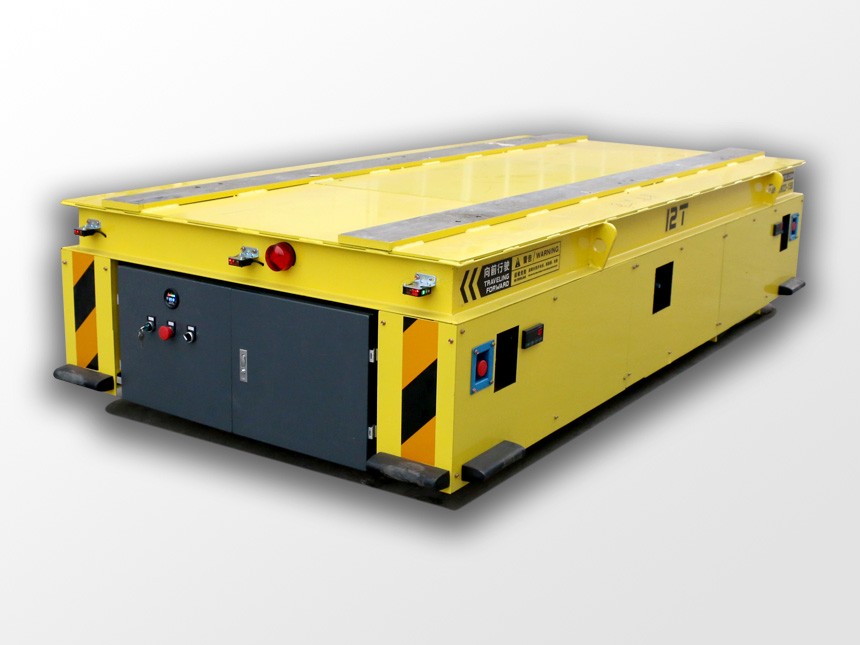
How to Customize Industrial Transfer Carts
How to Customize Industrial Transfer Carts
Standard transfer carts meet many material handling needs, but specific applications often require customized solutions. Understanding the customization process helps you get equipment that perfectly matches your operational requirements.
When Customization Is Needed
Consider custom transfer carts when:
- Load dimensions exceed standard platforms
- Special environmental conditions exist (high temperature, corrosive atmosphere)
- Unique loading/unloading mechanisms are required
- Integration with existing automation systems is necessary
- Specific safety or ergonomic features are mandated
Key Customization Areas
Platform Design
Platform customization options include:
- Custom dimensions (length, width, height)
- Special surface treatments (anti-slip, heat-resistant, chemical-resistant)
- Integrated fixtures, rails, or containment systems
- Adjustable or removable sides
- Multi-level platforms for batch transport
Power and Drive Systems
Customize power configuration:
- Battery capacity for extended operation
- Alternative power sources (cable reel, busbar, induction)
- Dual-drive for heavy loads or steep grades
- Specialized motor types for hazardous environments
Control Systems
Tailor control features to your workflow:
- Remote control range and functionality
- Automated guidance (magnetic, laser, or natural navigation)
- Integration with WMS/MES systems
- Custom operator interfaces
- Programmable routing and scheduling
Customization Process
Step 1: Requirements Analysis
Document your specific needs:
- Load specifications (weight, dimensions, center of gravity)
- Operating environment (temperature, humidity, floor conditions)
- Travel path characteristics (distance, turns, grades)
- Duty cycle and throughput requirements
- Safety and regulatory requirements
Step 2: Supplier Evaluation
Select a manufacturer with:
- Proven customization experience
- Engineering and design capabilities
- Quality certification (ISO 9001, CE marking)
- After-sales support infrastructure
- Reference installations in similar applications
Step 3: Design Review
Collaborate on detailed design:
- Review technical drawings and specifications
- Validate load calculations and safety factors
- Confirm control system functionality
- Agree on acceptance testing criteria
Step 4: Manufacturing and Testing
Monitor production and verify performance:
- Factory acceptance testing (FAT)
- Load testing at rated capacity
- Control system verification
- Safety feature validation
Cost Considerations
Custom solutions typically cost 20-50% more than standard models. Factors affecting price:
- Design complexity
- Material specifications
- Specialized components
- Testing and certification requirements
- Quantity (prototypes vs. production runs)
Lead Time Expectations
Custom transfer carts typically require:
- Design and approval: 2-4 weeks
- Manufacturing: 4-8 weeks
- Testing and shipping: 1-2 weeks
- Total: 7-14 weeks depending on complexity
Conclusion
Custom industrial transfer carts solve unique material handling challenges that standard equipment cannot address. By following a structured requirements analysis, supplier selection, and design verification process, you can obtain tailored solutions that deliver optimal performance and reliability for your specific application.