+86 183 3953 1958
中文
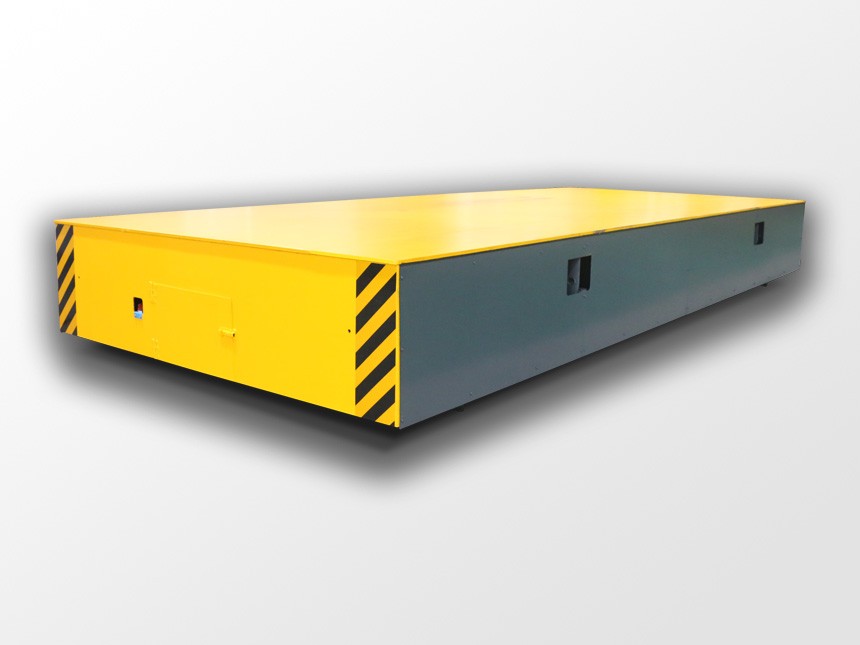
Modern manufacturing demands seamless material flow between production stages. Electric carts have emerged as a critical component in automated and semi-automated production lines, bridging gaps where fixed conveyor systems prove inflexible or cost-prohibitive. This case study examines how electric cart integration transforms production efficiency, reduces labor dependency, and improves workplace safety.
A mid-sized automotive component manufacturer faced persistent bottlenecks in their engine assembly operation. Fixed roller conveyors connected the main workstations, but sub-assembly components arrived via manual pallet jacks from a distant warehouse. This created three critical problems: unpredictable delivery timing causing line stoppages, operator fatigue from repetitive long-distance transport, and congestion at handoff points where forklifts intersected pedestrian walkways.
The facility required a solution that could transport 800 kg engine blocks over 200 meters, interface with existing conveyor heights, operate in a mixed-traffic environment, and integrate with the Manufacturing Execution System (MES) for just-in-time delivery signaling.
The operations team selected a fleet of battery-powered electric carts equipped with automated guidance capabilities, variable-height lift platforms, and wireless communication modules. Key specifications included:
Load capacity: 1,000 kg per cart with 25% safety margin
Travel speed: 0.5 m/s in pedestrian zones, 1.2 m/s in dedicated lanes
Positioning accuracy: ±5 mm at delivery points
Battery life: 8 hours continuous operation with opportunity charging
Communication: Wi-Fi integration with MES and PLC systems
The implementation began with magnetic tape installation along defined transport routes. Unlike rail-based systems, magnetic guidance allowed route modifications without structural changes. Charging stations were positioned at natural idle points near loading and unloading areas. Floor-mounted RFID tags at critical junctions enabled precise location verification and speed zone transitions.
Electric carts communicated with the existing MES through a middleware API layer. When assembly stations signaled low component inventory, the MES automatically dispatched the nearest available cart to the warehouse pickup point. Cart status, battery levels, and maintenance alerts fed into a centralized dashboard accessible to operations managers and maintenance teams.
Each cart carried a comprehensive sensor array: front and side laser scanners detecting obstacles within 3 meters, pressure-sensitive bumpers triggering immediate stops, blue spot projectors warning pedestrians of approaching vehicles, and audible alarms at intersections. Speed automatically reduced in shared zones and increased in dedicated transport corridors.
A two-week pilot operated three carts on a single route. Data collection focused on delivery timing accuracy, battery consumption patterns, collision avoidance events, and operator interaction quality. Adjustments included refining acceleration curves to prevent load shifting, optimizing charging schedules to maintain fleet availability, and tuning MES dispatch algorithms to reduce cart idle time.
After six months of full operation, the electric cart integration delivered quantifiable improvements:
Line stoppages due to material delays: reduced by 78%
Labor hours dedicated to material transport: reduced by 65%
Product damage during transport: eliminated completely
Pedestrian safety incidents in transport zones: reduced by 92%
Overall equipment effectiveness (OEE): increased by 12 percentage points
ROI achievement: 14 months
Successful electric cart integration requires more than hardware installation. Critical success factors include thorough route analysis before infrastructure deployment, robust middleware for legacy system integration, comprehensive safety planning addressing both mechanical and pedestrian hazards, and phased rollout allowing operational learning.
Facilities considering similar implementations should prioritize interoperability with existing control systems, specify battery and charging strategies aligned with production schedules, and plan for fleet scalability as production volumes grow.
Electric cart integration with production lines represents a practical, cost-effective automation step for manufacturers seeking to improve material flow without massive infrastructure investment. The flexibility of guided electric carts allows continuous optimization as production requirements evolve, making them a strategic asset rather than a fixed-cost burden.