+86 183 3953 1958
中文
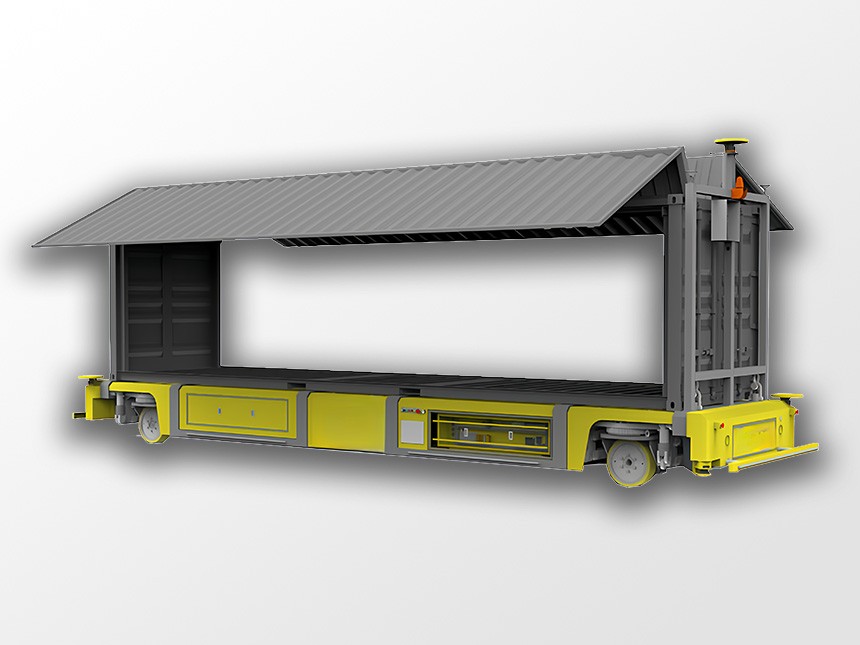
Every manufacturing and logistics facility faces unique material handling challenges. Off-the-shelf transfer carts often fall short when dealing with specialized loads, tight spaces, or specific integration requirements. Customizing industrial transfer carts allows operations managers to address these precise needs while improving efficiency and safety. Whether you are moving heavy machinery components, delicate assemblies, or bulk materials, a tailored solution can significantly reduce downtime and operational costs.
The first step in customization is accurately assessing your load requirements. Consider not just the maximum weight but also the dimensions, center of gravity, and load distribution. For loads exceeding 10 tons, reinforced frames and specialized wheel assemblies become essential. Custom platforms can include recessed areas, fixtures, or modular attachments to secure irregularly shaped items during transport.
Transfer carts can be powered by batteries, cable reels, or rail-based conductive systems. Battery-powered carts offer the greatest flexibility for facilities without fixed rail infrastructure, while cable reel systems are cost-effective for defined routes. For continuous heavy-duty operations, low-voltage rail power provides consistent performance without recharge downtime. Your choice depends on route length, duty cycle, and existing infrastructure.
Modern transfer carts can be equipped with automated guidance systems, remote controls, or manual operation. Automated Guided Vehicles (AGVs) integrate with warehouse management systems for fully autonomous operation. For semi-automated environments, pendant controls or wireless remotes allow operators to maintain safe distances from heavy loads. Consider future scalability when selecting control systems.
Safety customization is non-negotiable in industrial settings. Essential features include emergency stop buttons, audible alarms, flashing beacons, and bumper switches. For shared pedestrian zones, add laser scanners or ultrasonic sensors for obstacle detection. Custom safety cages or guarding protect both operators and loads during transport.
Facilities operating in extreme temperatures, wet environments, or clean rooms require specialized adaptations. Stainless steel construction resists corrosion in food processing or chemical plants. Sealed bearings and elevated components prevent damage in washdown environments. For clean room applications, specify low-particulate wheels and smooth surfaces that are easy to sanitize.
Custom transfer carts should seamlessly integrate with your current workflows. Consider how the cart will interface with conveyor systems, cranes, dock levelers, and storage racks. Custom lifting mechanisms, roller conveyors built into the platform, or adjustable height features can eliminate manual handling between process steps. Data integration through IoT sensors enables real-time tracking of material flow and predictive maintenance scheduling.
While custom transfer carts require higher initial investment than standard models, the long-term benefits often justify the cost. Reduced product damage, fewer workplace injuries, faster throughput, and lower labor requirements typically deliver ROI within 12 to 24 months. Work with manufacturers who provide detailed engineering consultations and prototype testing before full production.
Start by documenting your current material handling pain points, measuring your loads precisely, and mapping your transport routes. Engage a transfer cart manufacturer early in the process to review your requirements and recommend appropriate customizations. Request site visits, reference installations, and detailed proposals before committing to a solution.