+86 183 3953 1958
中文
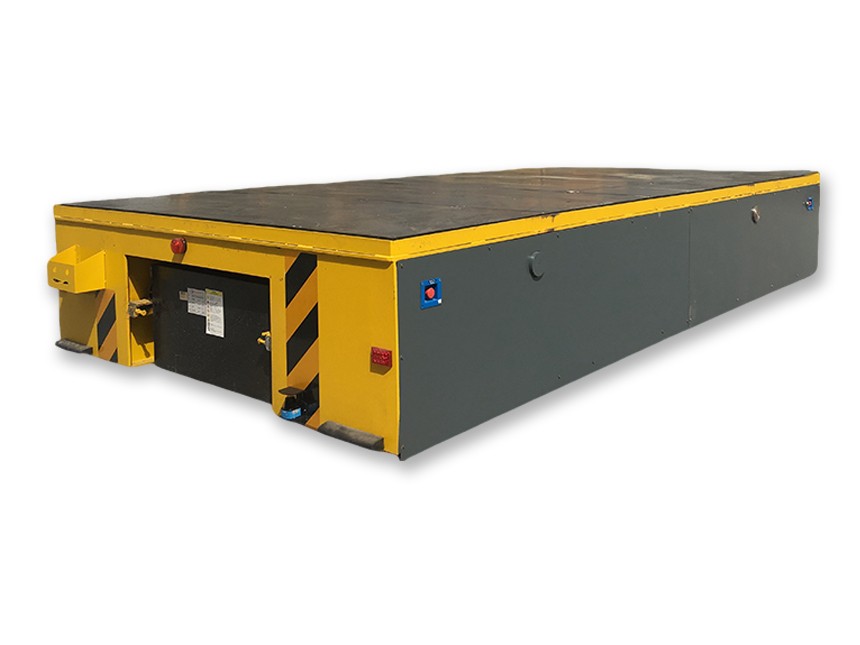
A transfer cart that fails unexpectedly during a production shift creates consequences that extend far beyond the repair cost of the cart itself. Production stops, materials that were in transit are left in incomplete states requiring rehandling, delivery commitments to downstream operations are missed, and the facility's production scheduling becomes unreliable because the material handling system can no longer be counted on. The daily inspection is the primary defense against unexpected cart failures—the scheduled, systematic check that catches developing problems before they become production-stopping events.
The daily inspection is not a comprehensive maintenance procedure; it is a targeted check of the failure modes that are most likely to cause an unexpected breakdown and most likely to be detectable by visual or simple functional observation. A well-designed daily inspection takes 5-10 minutes per cart and catches 80-90% of the problems that would otherwise cause unexpected failures, when those problems are identified early enough that they can be addressed during planned maintenance windows rather than requiring emergency repairs during production hours.
The pre-shift inspection should be performed at the beginning of each shift or at the start of each operational period for carts that operate on irregular schedules. The inspection covers the cart's basic operational readiness, focusing on the functions that are most critical to safe and reliable operation.
Brake function: Test the service brakes by moving the cart at walking speed and applying the brakes. The cart should stop within a predictable, short distance, and the brake application should feel firm rather than spongy. A spongy brake pedal or excessive brake pedal travel indicates air in the brake system or brake fluid issues that need immediate attention. Test the parking brake by parking the cart on a slight incline and verifying that it holds the cart stationary without the cart creeping.
Tire condition: Inspect all wheels for visible damage—cuts, bulges, or embedded objects in pneumatic tires. Check the tire pressure on pneumatic tires using a gauge; underinflated tires affect cart handling and increase the risk of tire failure. Flat-spotting or unusual wear patterns on any tire indicate alignment or suspension problems that should be investigated before returning the cart to service.
Electrical connections: Check the battery terminals and cable connections for corrosion, looseness, or heat damage. Corroded or loose connections increase electrical resistance, reduce battery performance, and can create safety hazards. Inspect the battery case for cracks or swelling, particularly on lead-acid batteries, where case damage can indicate overcharging or thermal runaway conditions. Check the charging port for debris or damage that could prevent proper charging connection.
The visual inspection checks the cart's condition; the operational check verifies that it functions correctly under load. This part of the inspection should be performed with the cart carrying its typical load or an equivalent test weight.
Acceleration and deceleration: Operate the cart through its normal speed range and verify that acceleration and deceleration are smooth and responsive. Hesitation or surging during acceleration indicates motor controller or drive motor problems. Excessive regeneration during deceleration—a harsh, grabbing sensation when releasing the accelerator—indicates controller or braking system issues.
Steering function: Operate the cart through its full steering range at low speed and verify that the steering is responsive and consistent across the range of motion. Uneven steering resistance—stiffness in some parts of the steering range—is a sign of steering linkage wear or misalignment. Verify that the steering has no excessive play: with the cart stationary, turn the steering wheel through a small range and verify that the wheels respond immediately without a perceptible delay.
Horn and warning devices: Test all audible and visual warning devices. The horn or siren should be loud enough to be heard over normal facility ambient noise levels. If the cart is equipped with warning lights or beacons, verify that they function correctly. In areas with high ambient noise, additional audible warning devices—such as motion alarms that activate when the cart is moving—may be required by safety regulations.
The load securing system—the clamps, stops, rails, or fixtures that hold the load on the cart during transport—is a critical safety component that is frequently underchecked. A load that shifts or falls during transport creates significant safety hazards and product damage risks. The load securing system should be checked as thoroughly as the cart's primary operational systems.
Inspect all load securing devices for wear, deformation, or damage. Clamp mechanisms should engage and release cleanly without excessive force. Removable securing devices should be complete—all pins, fasteners, and retention hardware should be present and functional. Fixed securing devices—rails, stops, barriers—should be firmly attached to the cart deck with no movement or play when force is applied. Any wear or damage to load securing devices should be documented and addressed before the cart returns to service with loads that require those devices.
An inspection that is not recorded is an inspection that cannot be used for maintenance trending or accountability tracking. The inspection record—whether maintained on paper forms, in a maintenance management system, or on a handheld device—provides the data that maintenance engineering uses to identify recurring problems, plan preventive maintenance schedules, and justify capital investments in equipment upgrades.
The most useful inspection records include both pass/fail assessments for each inspection item and a space for descriptive notes when a problem is found. The descriptive notes are critical because they allow maintenance technicians to understand the nature of the problem before they arrive at the cart, reducing diagnosis time and improving the efficiency of the repair. The inspection record should also include the cart's identification number, the date and time of the inspection, and the name or identification of the person performing the inspection.
Facilities that have implemented digital inspection systems—where inspectors use handheld devices or mobile apps to record inspection results—consistently find that the quality of inspection data improves compared to paper-based systems. Digital systems can enforce completion of all inspection items (preventing the common problem of inspectors checking only items where they expect to find problems), timestamp each inspection automatically, and generate maintenance work orders directly from inspection findings. The investment in a digital inspection system is typically recovered within 6-12 months through improved maintenance efficiency and reduced unexpected failures.
The inspection process is only as good as the response it generates. A problem identified during inspection that is not addressed before the cart returns to service has not been prevented—it has been identified and then ignored. The inspection system must include a decision process for determining when a problem requires immediate cart removal from service and when it can be addressed within the current operational period.
The decision criteria should be based on the consequences of the problem if the cart continues operating. A brake system deficiency—the most safety-critical system on the cart—always requires immediate removal from service until the brake system is repaired and verified. A minor electrical connection issue in fine weather conditions might be acceptable to address during the next scheduled break, while the same issue in high-temperature conditions or in an area with critical delivery requirements might require different handling. The key is having clear, documented criteria that inspectors apply consistently, rather than allowing inspectors to make inconsistent risk assessments that expose the facility to liability when an accident occurs.