+86 183 3953 1958
中文
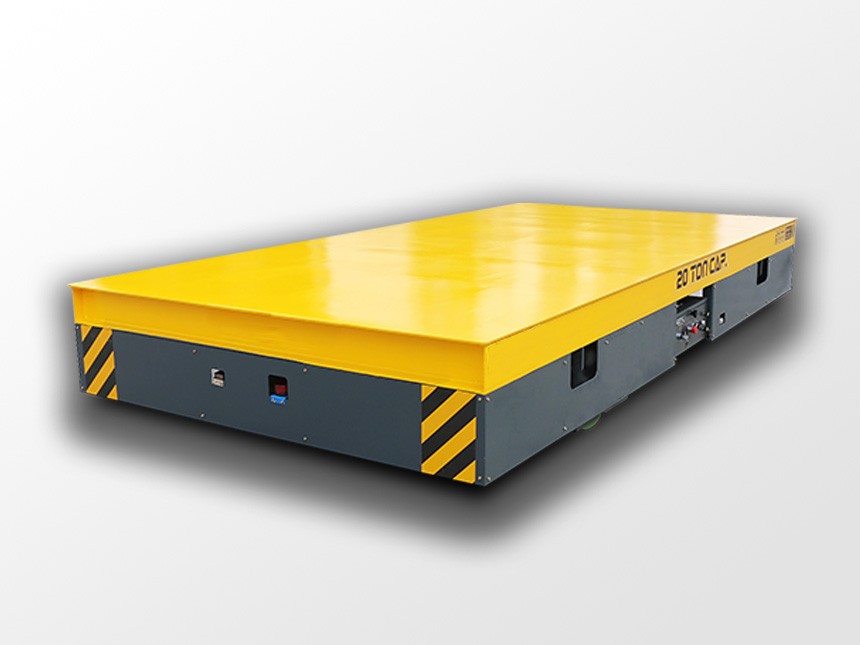
The textile industry presents unique material handling challenges that require specialized transport solutions. From raw fiber processing through spinning, weaving, dyeing, and finishing, materials must be moved efficiently while maintaining quality and preventing contamination. Electric transfer carts have emerged as a preferred solution for many textile applications, offering clean, quiet, and precise transport that meets the industry's demanding requirements. This article examines the specific applications of electric transfer carts in textile manufacturing and the benefits they provide.
The initial stages of textile production involve handling raw materials such as cotton bales, synthetic fiber tows, and wool fleeces. These materials are bulky, lightweight relative to their volume, and sensitive to contamination. Electric transfer carts provide an ideal solution for moving raw materials from receiving to processing areas. The carts can be configured with flat decks for bale transport or specialized fixtures for handling fiber tows without damage. The electric drive produces no exhaust emissions that could contaminate natural fibers, and the quiet operation maintains the calm environment that is preferred in textile facilities.
In cotton processing facilities, electric transfer carts move cotton bales from the bale opening area to the carding machines. The carts operate at controlled speeds that prevent fiber disturbance, and their smooth acceleration and deceleration profiles minimize the generation of loose fibers that could create quality issues or fire hazards. The carts can be equipped with covers or enclosures that protect the cotton from airborne contaminants during transport. And the absence of hydraulic fluids eliminates the risk of oil contamination that could ruin entire batches of white or light-colored textiles.
Once fibers have been processed into yarn or fabric, the material handling requirements become even more critical. Yarn packages, fabric rolls, and finished textiles are valuable products that must be transported without damage, contamination, or creasing. Electric transfer carts provide the smooth, vibration-free transport that is essential for maintaining textile quality. The carts can be equipped with cradles, rollers, or air-cushioned decks that support fabric rolls without crushing or deforming them. And the precise speed control enables operators to match transport speed to the sensitivity of the materials being handled.
In weaving facilities, electric transfer carts move warp beams from the beam storage area to the looms and transport finished fabric rolls to the inspection and finishing areas. The carts can be designed with low deck heights that facilitate loading and unloading of heavy beams, reducing operator strain and improving safety. In dyeing and finishing facilities, the carts transport fabric batches between processing stations, with stainless steel construction that resists the corrosive chemicals used in textile processing. The sealed electrical enclosures protect the drive systems from the humid, chemical-laden atmosphere of dye houses.
High-end textile manufacturing, such as the production of technical textiles, medical textiles, and electronics-grade fabrics, requires clean room conditions that are incompatible with conventional material handling equipment. Electric transfer carts can be configured to meet clean room standards, with features such as smooth, non-shedding surfaces; sealed electrical enclosures that prevent particle generation; and specialized wheels that do not generate particulate contamination. The carts can be constructed of stainless steel or other clean room-compatible materials, and they can be designed for easy cleaning and sterilization.
In clean room textile facilities, electric transfer carts move materials between processing stations without introducing contamination. The carts can be equipped with HEPA-filtered enclosures that protect sensitive materials during transport. And the absence of exhaust emissions ensures that the clean room atmosphere is not compromised. The quiet operation of electric carts also contributes to the calm environment that is preferred in precision manufacturing operations. These features make electric transfer carts an essential component of clean room textile manufacturing systems.
Textile warehouses and distribution centers face the challenge of storing and retrieving a wide variety of products, from small yarn packages to large fabric rolls, in a compact and efficient manner. Electric transfer carts provide flexible transport within warehouses, moving materials between storage locations, picking stations, and shipping docks. The carts can be equipped with attachments such as roll clamps, fork attachments, or platform extensions that enable handling of diverse load types. And the compact turning radius enables maneuvering in narrow warehouse aisles.
In textile distribution operations, electric transfer carts support order fulfillment by transporting picked items to packing stations. The carts can be integrated with warehouse management systems that direct cart movements based on order requirements. Multiple carts can operate simultaneously in the same warehouse, with collision avoidance systems that prevent interference. And the carts can operate continuously through multiple shifts with battery change or fast-charging systems that minimize downtime. These capabilities enable textile distributors to achieve high throughput and accurate order fulfillment.
The diverse requirements of textile manufacturing have driven the development of specialized electric transfer cart configurations. Common customizations include: anti-static features—conductive wheels, grounded decks, and static-dissipative surfaces that prevent the buildup of static electricity that could damage sensitive fibers or ignite flammable atmospheres; humidity resistance—sealed electrical components and corrosion-resistant finishes that protect carts in the humid environments of dye houses and finishing facilities; precision speed control—variable frequency drives that enable precise speed matching to delicate handling requirements; and specialized load supports—cradles, rollers, and air-cushioned decks that support textile products without damage. These customizations demonstrate the adaptability of electric transfer cart technology to the specific needs of textile manufacturing.
The implementation of electric transfer carts in textile facilities delivers measurable economic benefits. Labor cost savings result from the elimination of manual cart pushing and the reduction of forklift operation. Product quality improvements result from smoother handling that reduces damage, contamination, and waste. Energy cost savings result from the efficiency of electric drive compared to internal combustion engines. And maintenance cost savings result from the simplicity of electric drive systems compared to complex mechanical systems. Facilities that have implemented electric transfer carts report payback periods of 1-3 years, with ongoing savings that continue throughout the equipment life. The combination of economic benefits and operational improvements makes electric transfer carts a compelling investment for textile manufacturers who are seeking to improve their material handling operations.