+86 183 3953 1958
中文
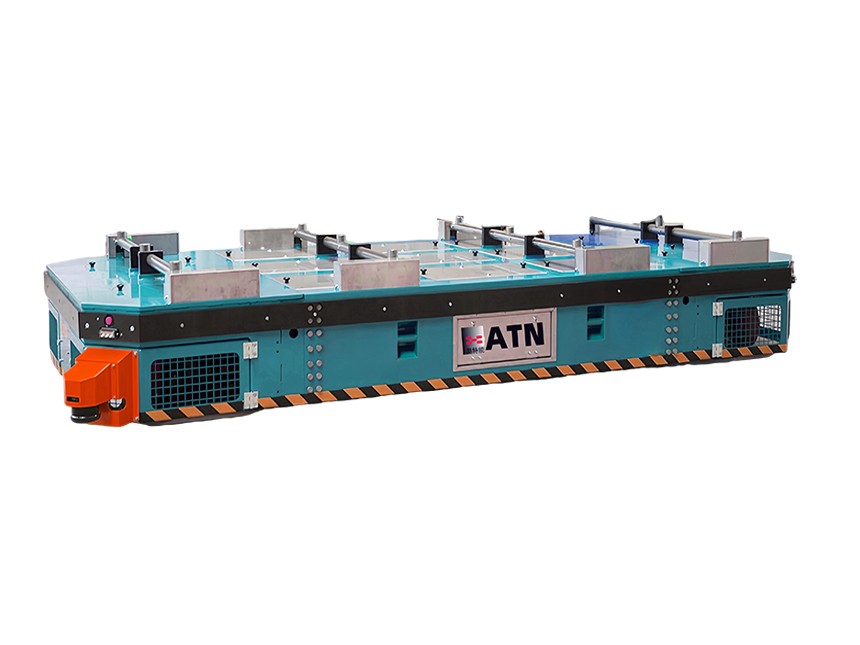
Electric carts are widely perceived as safer than alternative material handling equipment, and in most respects this perception is correct. Electric carts have no exhaust emissions (eliminating exposure to combustion byproducts), lower noise levels than internal combustion alternatives, simpler drive systems with fewer failure modes than transmissions and engines, and no flammable fuel storage. These inherent characteristics make electric carts safer in most operating conditions than the equipment they typically replace. But inherent safety is not the same as operational safety: an electric cart that is misused, overloaded, or poorly maintained can be as dangerous as any other piece of material handling equipment. The safety advantage of electric carts must be earned through proper use, proper maintenance, and proper management of the specific hazards that electric carts do present.
The speed of an electric cart is the single most significant variable in its safety performance. Higher speeds increase the severity of collisions, increase the distance required to stop, reduce the time available for operators and pedestrians to react to unexpected situations, and increase the likelihood that a loss of control event will result in a serious incident. Most electric cart fatalities and serious injuries involve the cart traveling at speeds that are higher than appropriate for the operating conditions. Managing cart speed is therefore the most effective safety intervention available to facilities operating electric carts.
Speed management requires both engineering controls and operational procedures. Engineering controls include physical speed limiters that prevent the cart from exceeding a set maximum speed, adjustable speed limiters that can be set to different maximum speeds for different zones, and regenerative braking systems that provide consistent deceleration without the brake fade that can affect friction brakes during prolonged braking. No engineering control is complete without corresponding operational procedures: operators must be trained to understand why speed limits exist, what the appropriate speed is for each zone, and what the consequences are of operating above the appropriate speed.
The most challenging safety problem in electric cart operations is managing the interaction between carts and pedestrians. Carts and pedestrians share the same facility space in most manufacturing and logistics environments, and this sharing creates collision risk that cannot be eliminated by engineering controls alone. The collision risk between carts and pedestrians is particularly high in areas where pedestrian and cart traffic paths cross, where pedestrian visibility is reduced, and where pedestrians are distracted by their own work tasks.
Effective pedestrian safety management uses multiple layers of protection. The first layer is physical separation—designing the facility layout to minimize crossing points between pedestrian and cart traffic, providing separate pedestrian walkways where possible, and using physical barriers to prevent pedestrians from entering cart traffic zones. The second layer is warning systems—audible warnings from approaching carts, visible warning lights at intersections, and signage that alerts both operators and pedestrians to the presence of the other. The third layer is procedural controls—rules about right-of-way at intersections, requirements for operators to sound warnings before entering blind corners, and prohibitions on pedestrian use of mobile devices while walking in cart traffic zones. No single layer is sufficient; effective pedestrian safety requires all three layers operating together.
The competency of the cart operator is the most variable safety factor in electric cart operations. The same cart operated by different operators will produce different safety outcomes: operators who are well-trained, experienced, and disciplined in following safety procedures will have fewer incidents than operators who are undertrained, inexperienced, or inclined to take shortcuts. Operator competency is not fixed at the time of initial training—it degrades over time as skills decay and as procedures change, and it must be maintained through ongoing training, performance monitoring, and a safety culture that reinforces safe behavior.
Effective operator training for electric cart safety covers several competency areas: pre-operation inspection procedures that identify safety-critical defects before the cart is put into service; operational limits including load capacity, speed limits in different zones, and grade limitations; pedestrian interaction procedures including intersection protocols and audible warning requirements; emergency procedures including what to do if the cart malfunctions, if a collision occurs, or if a pedestrian is injured; and specific hazards of the facility including any unusual route conditions, blind corners, or high-pedestrian-traffic areas. Initial training should be followed by periodic refresher training, particularly after incidents, near-misses, or changes to the facility layout or operating procedures.
Maintenance-related incidents—brake failures, steering failures, tire failures, battery failures—are a significant category of electric cart incidents. Most maintenance-related incidents are preventable through a properly implemented preventive maintenance program. The key maintenance items for electric cart safety are: brake system inspection and adjustment, including checking brake pad thickness, brake function under load, and parking brake engagement; tire inspection including tread depth, tire pressure, and wheel attachment; steering system inspection including play in the steering linkage and function of steering stops; battery inspection including terminal condition, electrolyte level (for lead-acid batteries), and BMS function (for lithium-ion batteries); and safety device inspection including emergency stop function, audible warnings, and lights.
The maintenance program must also address the specific hazards associated with battery charging. Charging areas present electrical hazards—arc flash risk from high-current battery connections—and chemical hazards from battery electrolyte. Charging areas should be designated, posted with appropriate hazard warnings, and equipped with emergency response equipment including eye wash stations and fire extinguishers appropriate for electrical fires. Charging should only be performed by trained personnel who understand the specific hazards of the battery technology in use, and who follow the manufacturer's charging procedures for the specific battery type.
Electric cart safety performance must be measured to be managed. The most commonly used safety metric is the incident rate—the number of incidents (injuries, near-misses, or property damage events) per unit of operating time or per unit of transport volume. Incident rate tracking is useful but has limitations: the incident rate only captures events that are reported, and underreporting of near-misses and minor incidents is common. Facilities that rely solely on incident rates may believe their safety performance is better than it actually is, because unreported near-misses are not reflected in the rate.
A more comprehensive safety measurement approach includes leading indicators—measures of safety-critical behaviors and conditions that predict future incidents—as well as lagging indicators like incident rates. Leading indicators for electric cart safety include: the completion rate for pre-operation inspections (high completion rates indicate good safety culture); the number of identified safety defects per unit of operating time (increasing defect counts may indicate deteriorating equipment condition); the number of near-miss reports per unit of operating time (increasing near-miss reports may indicate deteriorating safety conditions, or may indicate an improving safety culture that encourages reporting); and the completion rate for operator refresher training. Facilities that track both leading and lagging indicators have a more complete picture of their safety performance and are better positioned to intervene before serious incidents occur.