+86 183 3953 1958
中文
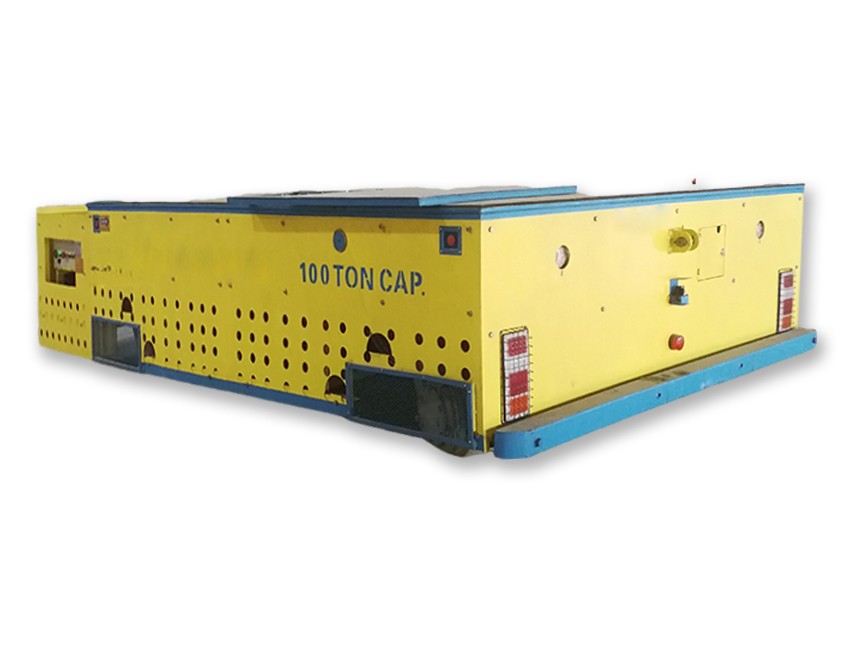
Reliability in industrial equipment is not a marketing claim—it is a measurable property reflected in failure rates, mean time between failures, and the actual maintenance costs equipment generates over its operational life. For electric flatbed carts used in production-critical material handling applications, reliability directly affects throughput, labor efficiency, and the total cost of ownership over the equipment's lifespan. Understanding how to evaluate and select genuinely reliable electric flatbed carts prevents the costly cycle of equipment failures, emergency repairs, and production disruptions that plague inadequate specifications.
The electric drive system is the core reliability determinant in an electric flatbed cart. A reliable drive system starts with adequately rated components—the motor, gearbox, drive controller, and wheel assemblies must all be specified with sufficient margin for the application's actual duty cycle, not merely the minimum acceptable for the rated load capacity. Motors that run near their thermal limits continuously will fail prematurely; controllers that lack adequate heat dissipation will degrade over time; gearboxes without proper sealing will allow lubricant contamination that accelerates wear.
Motor specifications for reliable heavy duty carts should include at least a 20% power margin above the calculated requirement for the maximum load and expected incline conditions. Drive controllers should be industrial-grade units from established manufacturers with established service networks and spare parts availability. The integration quality of these components—the wiring, connections, protection systems, and software configuration—determines whether individual reliable components function as a reliable system.
The cart frame must handle dynamic loads from acceleration, deceleration, and turning in addition to static load capacity. A frame that merely meets static load requirements will fatigue and deform under the repeated dynamic stresses of daily material transport operations. Reliable cart manufacturers design frames with fatigue analysis, using structural steel sections and welding techniques that resist crack initiation and propagation under cyclic loading.
Visual indicators of structural quality include smooth, consistent weld profiles without visible defects; proper gusset reinforcement at high-stress corners; and evidence of engineering in the design details such as calculated section sizes and documented load ratings. Frame finishes—surface preparation, primer quality, and topcoat application—protect against corrosion that progressively weakens steel structures, particularly in facilities with wet processes or outdoor operations.
Battery failures are among the most common causes of electric cart downtime in industrial applications. Lead-acid batteries require regular maintenance including water level checks, terminal cleaning, and equalization charging—failures in any of these maintenance steps cause premature battery failure. Sealed lead-acid batteries reduce maintenance requirements but still have finite cycle lives that degrade faster when improperly charged.
Lithium battery systems offer superior reliability for demanding applications when properly specified—they require no water maintenance, have no memory effects, and provide consistent performance throughout their cycle life. However, lithium battery reliability depends heavily on battery management system quality. A poorly designed BMS can allow conditions that damage cells, create safety risks, or cause premature failure. Specify lithium batteries from manufacturers with established quality systems and appropriate certifications for your application environment.
Electrical system failures in industrial environments result from vibration, contamination, temperature extremes, and connection degradation over time. Reliable electric carts use industrial-grade electrical components rated for the conditions they will experience—motors rated for continuous duty, contactors designed for thousands of operating cycles, and control wiring in properly routed conduits with appropriate strain relief.
Emergency stop systems must be fail-safe by design—reliable systems that cut power immediately when activated and will not allow unexpected restart without deliberate operator action. The control interface—whether pendant, remote, or onboard—should be ruggedized for industrial use with ingress protection against dust and moisture appropriate for the operating environment.
Reliable equipment is maintainable equipment. Carts designed for easy maintenance access to wear components—wheel bearings, brake pads, drive belts, electrical connections—can be serviced quickly, reducing mean time to repair when maintenance is required. Designs that require extensive disassembly to access routine maintenance points create unnecessary downtime and increase labor costs for every service event.
Evaluate the maintenance requirements specified in the equipment manual before purchase. Establish the expected maintenance intervals for critical components, the estimated time required for routine maintenance tasks, and the availability of spare parts. A reliable cart from a manufacturer with good spare parts availability and reasonable maintenance intervals provides better operational reliability than a more robust design from a manufacturer with poor service support.
Equipment reliability ultimately depends on the support infrastructure behind the product. The most reliably designed cart provides no value if the manufacturer cannot support it. Evaluate manufacturer support based on the availability of spare parts with documented lead times, the existence of field service capability or authorized service partners, and the manufacturer's history in the industry—the stability of the company and its track record of supporting products over their full life cycle.
Request references from existing users of the equipment you are considering, particularly users with similar applications and operating intensity. Real-world reliability data from comparable operations provides the most accurate reliability picture available. A manufacturer unwilling to provide references is making a statement about their product confidence—and it is not a reassuring one.
Total cost of ownership analysis over the expected equipment lifespan—typically 10-15 years for well-maintained electric carts—reveals the true economics of reliability. A cart that costs 20% more initially but delivers 40% lower maintenance costs and 30% longer service life represents a substantially better investment than the lower initial-cost alternative. Focus procurement specifications on the total value delivered, not just the purchase price.