+86 183 3953 1958
中文
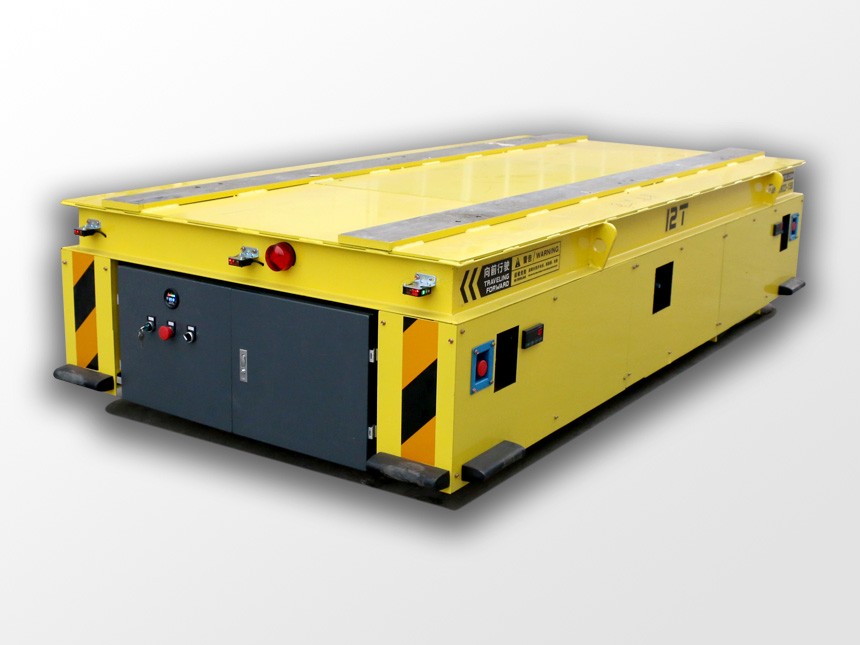
Shipbuilding facilities present some of the most challenging material handling requirements in any manufacturing sector. Massive steel structures, oversized panels, heavy machinery, and complex curved components must be moved with precision through confined spaces, across uneven surfaces, and often outdoors in salt-air environments. Traditional material handling approaches in shipbuilding relied heavily on overhead cranes, which are capital-intensive, fixed-position, and require significant coordination between crane operators and ground crews. Electric carts have emerged as a valuable complement to crane systems, addressing material transport challenges that cranes handle inefficiently and enabling workflows that crane-only operations cannot support.
Modern shipbuilding uses block construction methods, assembling the ship in discrete sections before final integration. These blocks—ranging from tens to hundreds of tons—must be transported between fabrication areas, outfitting shops, and the final assembly dock. The block sizes often exceed the capacity of standard transport equipment, but the transport routes between workshops involve turns and grades that make oversized conventional transporters impractical.
Electric transfer carts with capacities exceeding 200 tons have been deployed in shipyard block transfer operations, providing the necessary load capacity while maintaining the maneuverability to navigate shipyard road networks. Self-propelled modular carts using multiple motorized axles distribute heavy loads across many wheels, reducing ground pressure and enabling operation on shipyard floor surfaces not designed for the concentrated loads of conventional heavy transport. These carts typically operate outdoors, requiring environmental protection ratings appropriate for salt-air exposure—motors, controllers, and electrical systems must be sealed against moisture and corrosion.
Hull panel sections are manufactured in flat or curved configurations ranging from 10 to 60 tons, typically in dedicated panel line facilities adjacent to the main building dock. Efficient panel transport from manufacturing to erection requires equipment that can handle large flat loads, position them accurately for installation, and do so in outdoor environments subject to weather and tidal conditions.
Electric platform carts designed for panel transport feature low-profile decks that accept panels from roller conveyor systems without additional lifting, rotating decks that allow single-operator positioning of curved panels to exact installation angles, and marine-grade corrosion protection throughout. The operational advantage over crane-only handling is substantial: a crane-dependent panel transfer requires scheduling coordination, rigging crew deployment, and typically 45-90 minutes per panel for attachment, transport, and detachment. An electric cart operator completes the same transfer in 10-15 minutes without additional crew, and the same cart can handle multiple sequential transfers without repositioning between moves.
Ship outfitting involves installing machinery, piping, electrical systems, and thousands of specialized components throughout the vessel structure. Many of these components arrive at the ship in containers or on pallets from suppliers and must be transported from the dock to the installation location within the vessel. The confined spaces within a ship under construction—narrow passageways, steep ladders, limited headroom—create transport challenges that standard material handling equipment cannot address.
Compact electric carts with small turning radii and low overall heights access ship interior passages that forklifts and other conventional equipment cannot enter. These carts often feature precision positioning systems that allow operators to align equipment with mounting foundations through small adjustments without the imprecise positioning that makes crane placement in confined spaces so difficult. For outfitting applications requiring navigation through ship hulls, rail-guided electric carts provide the precise path control needed to maneuver safely through narrow, curved passages.
Shipyards maintain extensive outdoor storage and staging areas where materials, partially completed assemblies, and support equipment are held before moving into production areas. Managing material flow through outdoor yards is complicated by weather—rain, wind, and tidal conditions affect both the materials and the transport equipment—and by the constantly changing yard configuration as production progresses.
Electric yard tractors and platform carts provide flexible, weather-resistant transport for yard logistics. Weather protection for outdoor shipyard equipment includes corrosion-resistant coatings, sealed electrical enclosures, and drive system components rated for the temperature ranges and moisture conditions encountered in coastal environments. GPS-based yard management systems integrated with cart fleet management enable dynamic routing that adapts to daily yard configuration changes, directing cart traffic around active construction zones and coordinating deliveries with production schedules.
Shipyard applications impose specific requirements on electric cart design beyond standard industrial specifications. Corrosion resistance is paramount—structural steel should be marine-grade or treated with marine coatings, electrical enclosures should meet IP65 or higher ratings, and all exposed components should be rated for salt-air exposure. Drive system cooling must account for outdoor operation where water spray and contamination are possible. Battery systems in shipyard applications should have extended shift capacity because opportunity charging may not be available during outdoor operations. Wheel materials should balance traction requirements with floor protection needs specific to shipyard surface conditions.