+86 183 3953 1958
中文
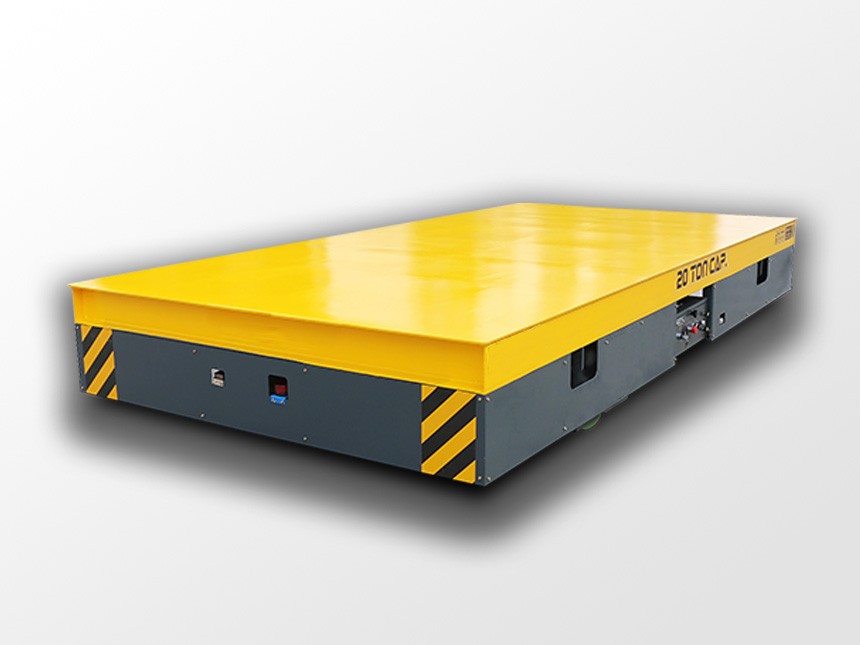
Standard material handling equipment serves average applications adequately, but manufacturing facilities rarely operate with average requirements. Every factory has unique load characteristics, specialized workflow patterns, spatial constraints, and process requirements that standard equipment cannot address without compromise. Personalized material handling equipment solutions—custom-designed or extensively modified carts, lifts, and transport systems built for your specific operation—consistently deliver superior performance and return on investment compared to forcing standard equipment to fit non-standard applications.
A major automotive stamping facility processed large body panel dies weighing up to 35 tons on dedicated die carts. The plant's layout required die carts to navigate tight 90-degree corners in aisles designed decades ago—aisles that could not be widened without relocating major production equipment. Standard die carts with fixed wheelbases required complex maneuvering through these corners, creating a 15-minute transit time per die movement and requiring two operators working in coordination.
The personalized solution involved designing die carts with a hydraulic steering system that allowed the front and rear wheel assemblies to rotate independently, reducing the effective turning radius by 40%. Combined with a shorter wheelbase specifically engineered for the aisle dimensions, the customized carts completed the same transit in under 4 minutes with a single operator. The reduced transit time freed up significant production scheduling flexibility and eliminated the coordination requirement between operators. Total project cost was recovered within 8 months through reduced labor time alone.
An aerospace manufacturing facility handling composite fuselage sections faced a unique challenge: their components were too large for standard carts but too lightweight for heavy industrial carts designed for steel components. Standard carts with appropriate deck sizes had wheel ratings and structural designs optimized for loads exceeding 50 tons—gross overkill for 2-ton composite structures, resulting in excessive floor loading and poor maneuverability.
The personalized solution engineered carts specifically for the 1.5-3 ton load range with optimized deck sizes matching the component geometry, high-precision positioning systems for accurate alignment with assembly fixtures, and non-marking polyurethane wheels rated for the actual loads rather than massively over-specified for the application. The custom carts reduced floor loading by 60% compared to the standard heavy carts previously used, eliminating floor damage that required regular repair, and improved positioning accuracy from ±25mm to ±3mm.
A food processing operation required washdown-capable transfer carts for moving product between processing stations. Standard stainless steel carts designed for food applications existed, but they were designed for generic food processing—most had rounded corners and smooth surfaces that were easy to clean but lacked the specific mounting features the facility needed for their proprietary container system. The gap between standard specification and actual requirement created ongoing operational inefficiencies.
Personalized carts were designed with the facility's exact container mounting geometry, integrated with their container identification system, and specified with drainage features that prevented water pooling in areas that standard carts accumulated. Beyond the functional improvements, the custom design eliminated the need for adapter plates and straps that operators had been using to secure containers to standard carts—accessories that added significant time to each transport cycle and created异物 contamination risks.
A construction equipment manufacturer assembling large hydraulic excavators required transfer carts capable of supporting components during final assembly while allowing precise height adjustment as different assembly steps were completed. Standard carts with fixed deck heights created awkward work postures for assembly technicians, resulting in both quality issues from inaccessibility and ergonomic injuries from excessive reaching and bending.
The personalized solution integrated variable-height lift capability directly into the transfer cart, allowing assembly coordinators to raise or lower the component to the optimal working height for each assembly step. The combined transport and positioning function eliminated a separate lifting step that had previously required a forklift and spotter for each component placement. Assembly time per unit improved by 12%, and ergonomic injury incidents on the assembly line dropped by 60% in the year following implementation.
Effective personalization begins with a detailed analysis of your actual operational requirements—not just load weight and dimensions, but workflow patterns, operator skill levels, facility layout constraints, environmental conditions, and the specific process steps the equipment must support. Reputable custom equipment manufacturers conduct application engineering sessions that examine your operation in detail before proposing solutions.
The investment in personalization typically ranges from 20-60% above standard equipment cost depending on the complexity of the customization. This premium is justified when the application characteristics genuinely require non-standard specifications. The evaluation framework should include total cost of ownership—standard equipment operating under stress in unsuitable applications generates hidden costs through accelerated wear, higher maintenance requirements, and operational inefficiency that compound over the equipment life.