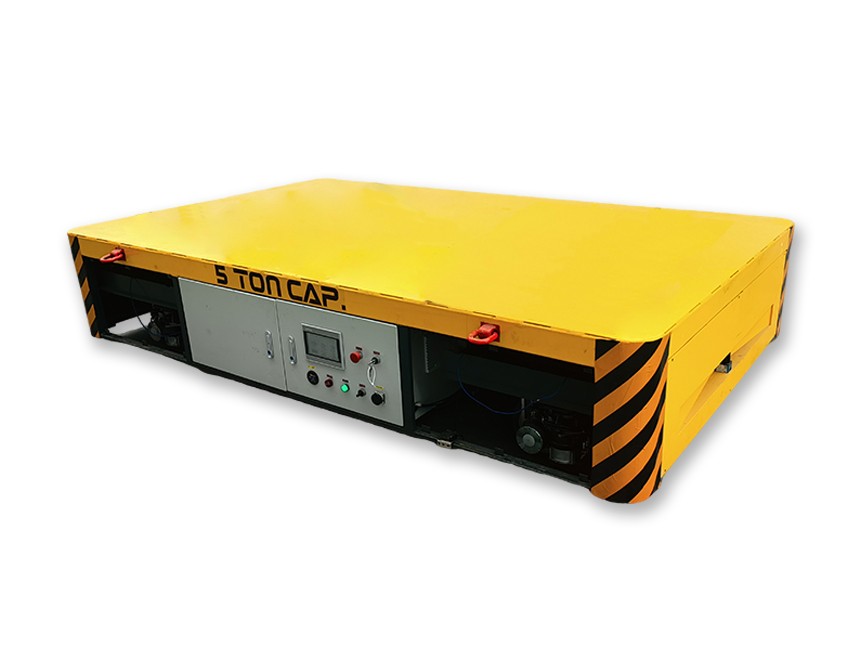
Supplier Evaluation Checklist for Industrial Equipment
Supplier Evaluation Checklist for Industrial Equipment
Selecting the right supplier for industrial equipment impacts your operational efficiency, maintenance costs, and long-term productivity. A structured evaluation process ensures you partner with reliable manufacturers who deliver quality products and consistent support.
Company Qualifications
Verify the supplier's business fundamentals:
- Years in business and industry experience
- Registered capital and financial stability
- Manufacturing facility ownership vs. trading company
- Geographic coverage and local presence
- Client references in your industry
Technical Capabilities
Assess engineering and production competence:
- In-house design and R&D team
- CAD/CAM and simulation capabilities
- Manufacturing equipment and technology level
- Customization experience for special requirements
- Testing facilities and quality control processes
Quality Certifications
Confirm compliance with international standards:
- ISO 9001 quality management system
- CE marking for European market access
- ISO 14001 environmental management
- OHSAS 18001 / ISO 45001 occupational health and safety
- Industry-specific certifications
Product Evaluation
Technical specification verification:
- Load capacity and performance parameters
- Material specifications and durability
- Component brand and origin (motors, controllers, batteries)
- Safety features and emergency systems
- Energy efficiency ratings
After-Sales Support
Service infrastructure assessment:
- Warranty terms and duration
- Spare parts availability and lead time
- Technical support response time
- On-site service capability
- Training programs for operators and maintenance staff
Commercial Terms
Business arrangement evaluation:
- Payment terms and flexibility
- Delivery schedule reliability
- Packaging and shipping arrangements
- Installation and commissioning support
- Documentation completeness (manuals, drawings, certificates)
Risk Assessment
Identify potential partnership risks:
- Single-source dependency for critical components
- Language and communication barriers
- Currency fluctuation exposure
- Intellectual property protection
- Supply chain disruption contingency
Site Visit Checklist
When visiting manufacturing facilities:
- Production line organization and cleanliness
- Raw material storage and handling
- Work-in-process inventory management
- Finished goods inspection procedures
- Employee skill level and training records
Scoring Framework
Quantify evaluation results:
- Assign weights to each category (e.g., quality 30%, price 20%, service 25%, delivery 15%, risk 10%)
- Rate suppliers on 1-5 scale per criterion
- Calculate weighted scores for objective comparison
- Document rationale for scoring decisions
Conclusion
A thorough supplier evaluation protects your investment and establishes partnerships that support long-term operational success. Use this checklist systematically, document your findings, and revisit evaluations periodically as supplier capabilities and your requirements evolve.