+86 183 3953 1958
中文
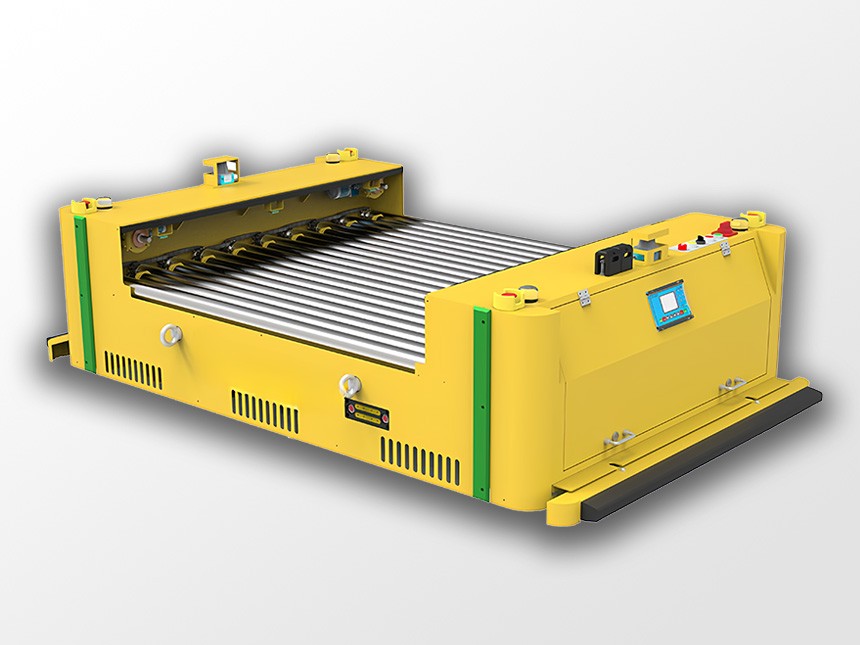
Small and medium enterprises often assume advanced internal logistics are reserved for large corporations with massive budgets. That's not the case. With the right approach, SMEs can build efficient material handling systems that cut costs and improve throughput without breaking the bank.
Before buying anything, map your material flow. Where are the bottlenecks? Which routes see the heaviest traffic? How often do workers wait for materials? You might discover that a simple electric cart eliminates 30 minutes of daily downtime — no automation required.
Many SMEs overestimate their complexity. If you're moving loads under 10 tons across predictable routes, a manual or semi-electric transfer cart often outperforms an AGV in cost-effectiveness. The key is matching the tool to the task, not chasing technology for its own sake.
Here are practical upgrades that pay back within months:
These aren't revolutionary. But combined, they often deliver 20-40% efficiency gains. For an SME producing $5M annually, that's real money.
Automation makes sense when:
Even then, start small. A single AGV on your busiest route proves the concept. Expand once you've measured the return.
We've seen SMEs waste budget on these missteps:
Calculate your current cost per material move. Include labor, equipment depreciation, and delay costs. Then model the same operation with upgraded equipment. Most SMEs find payback periods of 12-18 months for electric carts, sometimes less.
Don't forget soft benefits — reduced injury rates, lower turnover among material handlers, and improved morale when workers stop pushing heavy loads manually. These matter, even if they're harder to quantify.
Effective internal logistics isn't about having the most advanced technology. It's about understanding your flow, eliminating obvious waste, and investing in equipment that matches your actual scale. SMEs that get this right often outperform larger competitors who overcomplicate their operations.