+86 183 3953 1958
中文
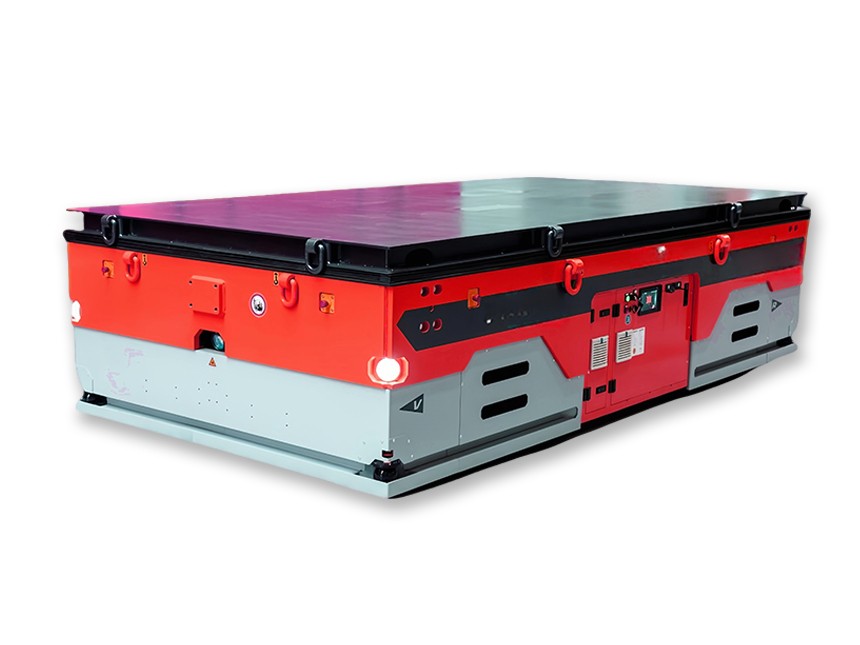
Most factories start with manual or semi-electric transfer carts. They work fine — until they don't. Growth, labor costs, or quality demands eventually push you toward automation. The question isn't whether to upgrade, but how to do it without disrupting production or wasting capital on premature technology.
Before choosing an upgrade path, audit your current operation honestly:
We've seen facilities automate too early — spending $200K on an AGV system that handles 20 moves daily. That's overkill. Conversely, waiting too long means you're bleeding money on inefficiency while competitors pull ahead.
Rather than jumping straight to full automation, consider this progression:
Add programmable controllers to existing electric carts. Set fixed routes with stop points. Operators still supervise, but the cart handles navigation. Cost: $5K-15K per unit. Benefit: 30-50% efficiency gain on repetitive routes.
Install magnetic tape or QR code guidance on your busiest routes. Carts follow predefined paths autonomously, stopping at stations. Human intervention only for exceptions. Cost: $20K-40K per unit. Benefit: Frees operators for higher-value tasks.
Deploy laser-guided or vision-based AGVs with fleet management software. Dynamic routing, traffic coordination, and integration with WMS/ERP. Cost: $80K-150K per unit. Benefit: Lights-out operation on transport routes, scalable to facility-wide logistics.
We've watched companies stumble on these:
Build your business case on real numbers:
Current costs (annual):
Projected automated costs:
Most semi-automated upgrades pay back in 12-18 months. Full AGV systems typically need 24-36 months, but deliver compounding returns as you scale.
Don't upgrade if:
In these cases, better training or process improvement often delivers faster returns than technology.
Automation isn't a destination — it's a journey matched to your operational maturity. Start with semi-automation on your most predictable routes. Measure results rigorously. Expand only when the numbers justify it. The factories that get this right treat automation as a tool, not a trophy.