+86 183 3953 1958
中文
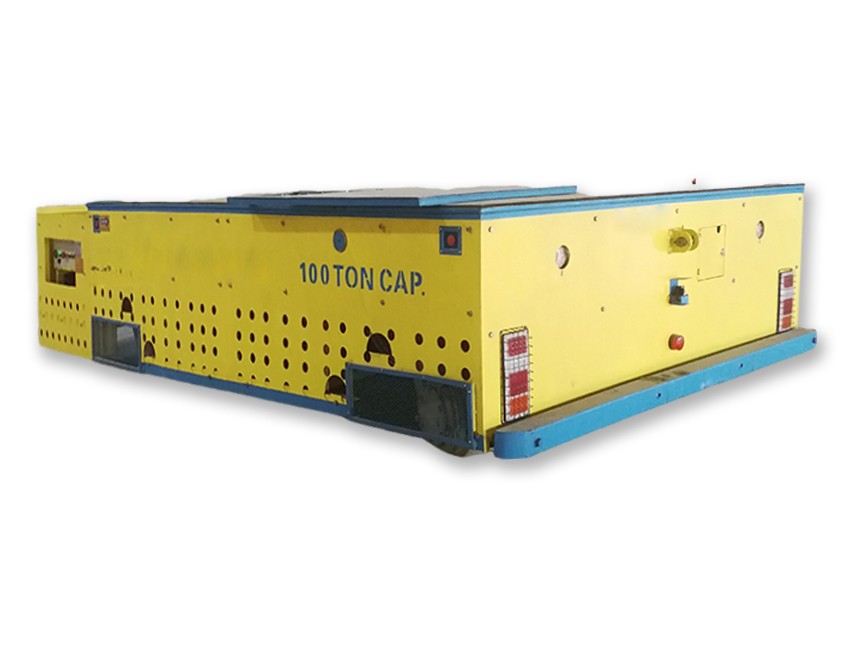
Manufacturing plants live or die by throughput. And throughput depends on how efficiently materials move from receiving through production to shipping. We've seen plants with world-class equipment lose margin because their internal transport was an afterthought. The right solution isn't always the most advanced — it's the one that fits your actual workflow.
Before selecting equipment, define your transport profile:
A steel mill moving 40-ton ingots needs radically different equipment than an electronics plant handling delicate components. One size fits nobody.
Best for: Light loads (under 5 tons), intermittent use, flexible routes, tight budgets.
Manual push carts work for short distances and light loads. Add electric drive for heavier loads or longer routes without full automation cost. Simple, maintainable, and operators learn them in minutes. Limitation: speed and consistency depend on the operator.
Best for: Medium loads (5-30 tons), repetitive routes, continuous operation.
Battery-powered carts with programmable controllers handle predictable routes without infrastructure. Recharge during breaks, run multiple shifts. We've seen these replace forklift fleets in facilities where vertical lifting isn't needed — cutting fuel costs and maintenance dramatically.
Best for: Heavy loads (20+ tons), fixed routes, high precision.
Rail transfer carts follow fixed paths with millimeter accuracy. No steering variance, no operator judgment calls. Ideal for assembly lines where carts must stop at exact positions. Trade-off: less flexibility if routes need to change.
Best for: High frequency, dynamic routing, lights-out operation.
Autonomous vehicles handle complex environments without fixed infrastructure. Fleet management coordinates multiple units, optimizes routes in real-time. Expensive upfront, but labor savings and 24/7 operation deliver strong ROI at scale.
| Scenario | Recommended Solution | Why |
|---|---|---|
| Small workshop, 2-ton loads, 10 moves/day | Manual cart | Lowest cost, adequate capacity |
| Medium factory, 8-ton loads, 50 moves/day | Electric transfer cart | Balances capacity and cost |
| Heavy industry, 35-ton loads, fixed route | Rail-guided cart | Precision and capacity |
| Large facility, variable routes, 200+ moves/day | AGV fleet | Scalable, labor-independent |
Whatever solution you choose, follow these principles:
Look beyond purchase price:
Efficient transport isn't about having the newest technology. It's about matching equipment capabilities to operational reality. Start with your transport profile, evaluate options honestly, and implement with room to scale. The plants that get this right treat internal logistics as a competitive advantage — because it is.