+86 183 3953 1958
中文
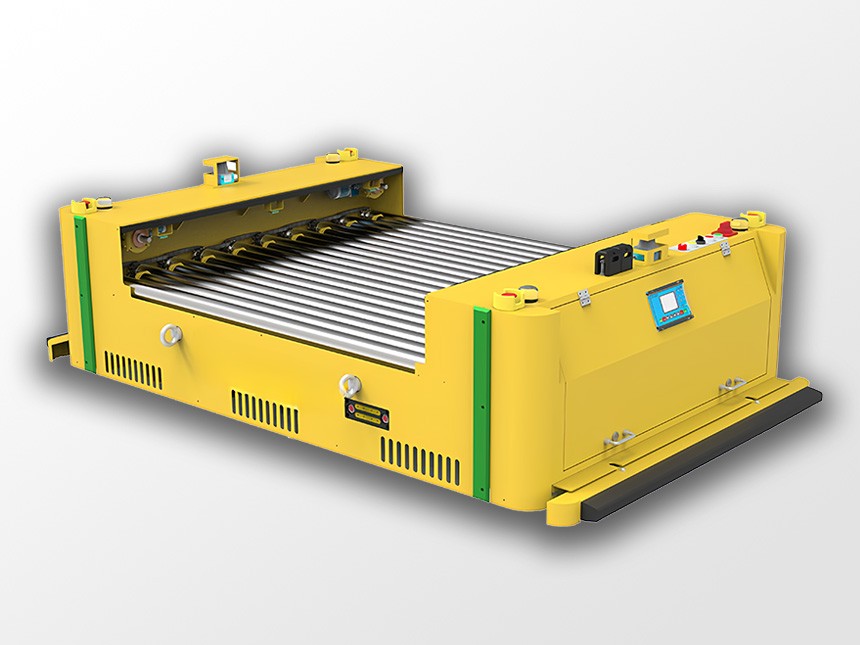
Industry 4.0—characterized by cyber-physical systems, the Internet of Things (IoT), cloud computing, and artificial intelligence in manufacturing—transforms how factories operate at every level. Yet one critical operational layer is often overlooked in Industry 4.0 discussions: material handling and internal logistics. Electric transfer carts, traditionally viewed as simple transport devices, are emerging as a key enabling technology for Industry 4.0 implementation because they provide the physical mobility layer that connects intelligent production systems with material flow.
The integration of electric carts into Industry 4.0 frameworks is not merely a futuristic concept. Manufacturing facilities worldwide are already deploying sensor-equipped carts, automated guided vehicles (AGVs), and data-connected transfer systems that report real-time status, optimize routes dynamically, and integrate with manufacturing execution systems (MES). The question is not whether electric carts fit into Industry 4.0, but how to implement that integration effectively.
The foundation of Industry 4.0 is data—collecting it, transmitting it, and acting on it. Electric carts participate in this data ecosystem through several integration points. Load sensors on cart decks report actual load weights to inventory management systems. Motor current sensors detect abnormal loads or mechanical resistance and predict maintenance needs before failure occurs. Location beacons or RFID readers on carts communicate real-time position data to factory traffic management systems.
Implementing data connectivity requires selecting carts with compatible communication protocols. Modern electric carts offer Modbus TCP/IP, Profinet, or MQTT connectivity options that integrate with standard industrial networks. For facilities with existing MES or ERP systems, cart data can feed directly into production scheduling algorithms, enabling dynamic cart dispatching based on real-time production requirements rather than fixed schedules.
The highest-value application of electric carts in Industry 4.0 environments is automated material flow—carts that move materials between production stages without operator intervention. Automated guided vehicles (AGVs) represent the most advanced form of this capability, using laser, magnetic tape, or vision-based navigation to follow optimized routes and coordinate with other factory systems.
Even without full AGV capability, electric transfer carts contribute to automated material flow through integration with production line signals. A cart positioned at a production line discharge point can receive an automated signal when a completed batch is ready, then transport it to the next processing stage or warehouse storage without operator initiation. This level of automation reduces material handling labor requirements and eliminates delays between production stages.
Industry 4.0's emphasis on real-time visibility extends to material movement. Electric carts equipped with RFID tags, barcode scanners, or vision systems can track which materials they are transporting and report this information to inventory systems in real time. This capability eliminates manual inventory checks and provides accurate, up-to-the-minute material location data.
Beyond tracking, real-time data enables continuous optimization. If cart tracking data shows that a particular transport route consistently experiences delays, facility managers can investigate and address the root cause—whether it is floor damage, congestion, or inefficient cart dispatching. Over time, this data-driven optimization reduces material handling costs and improves production throughput.
Industry 4.0 initiatives increasingly include energy management and sustainability goals. Electric carts contribute directly to these goals through efficient electric propulsion, regenerative braking (on some models), and integration with facility energy management systems. Carts can receive signals from the facility's energy management system to delay non-urgent transport operations during peak electricity pricing periods, reducing operating costs without affecting production schedules.
Battery management systems (BMS) in modern electric carts provide detailed energy consumption data that feeds into facility-level energy analytics. This data helps identify opportunities to reduce energy waste, optimize battery charging schedules for off-peak electricity rates, and extend battery service life through optimized charging profiles.
Integrating electric carts into an Industry 4.0 framework does not require replacing all existing carts simultaneously. A phased approach delivers value incrementally while building organizational capability. Start with data connectivity on a small number of carts, demonstrate measurable benefits (such as reduced manual inventory checks or optimized cart utilization), then expand connectivity to additional carts and integrate automated material flow capabilities.
The most important prerequisite for successful Industry 4.0 cart integration is having a clear use case with measurable benefits. Simply adding sensors and connectivity to carts without a defined purpose creates cost without value. Define the operational problem you want to solve—whether it is inventory accuracy, transport efficiency, or predictive maintenance—then select the cart integration features that address that specific problem.
As Industry 4.0 matures, electric carts will evolve from connected devices to collaborative autonomous agents within the manufacturing ecosystem. Carts that communicate with each other to avoid congestion, negotiate right-of-way at intersections, and dynamically reroute around obstacles represent the next frontier of smart factory material handling. Facilities that begin building cart connectivity and data integration today are positioning themselves to adopt these advanced capabilities as they become commercially viable.