+86 183 3953 1958
中文
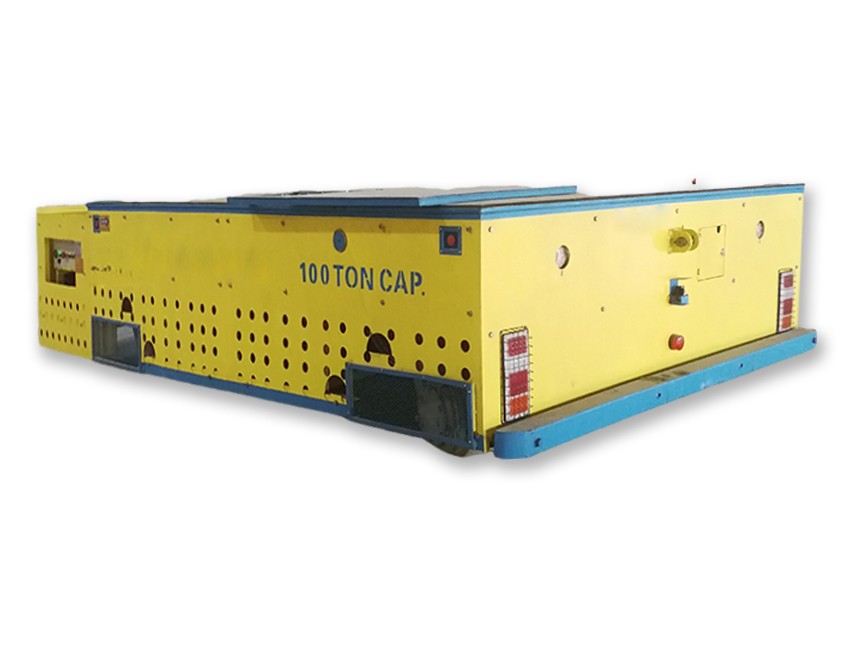
Factory logistics—the movement of materials between production stages, storage areas, and shipping docks—directly affects throughput, labor cost, and production quality. Aging material handling systems built around manual push carts, forklifts, or outdated conveyor systems create bottlenecks that constrain the entire manufacturing operation. Upgrading factory logistics with electric transfer carts delivers immediate efficiency gains while building a foundation for future automation and Industry 4.0 integration. A well-planned logistics upgrade typically pays for itself within 12 to 24 months through reduced labor costs and improved production flow.
The key to a successful factory logistics upgrade is starting with a clear assessment of current operational pain points rather than adopting technology for its own sake. Understanding where delays occur, which transport routes are most labor-intensive, and how material flow constraints affect production throughput provides the baseline data needed to make informed upgrade decisions.
Before selecting new equipment, document your current material flow patterns in detail. Map every material transport route in your factory, noting transport frequency, load types and weights, distances traveled, and the time operators spend on material movement versus productive tasks. This assessment typically reveals that a significant portion of operator time is spent walking long distances or waiting for available forklifts rather than performing value-added production work.
Common indicators that a factory logistics upgrade is overdue include production lines idling while waiting for material delivery, material staging areas overflowing with work-in-process inventory due to slow transport, forklift traffic congestion creating safety hazards, and operators losing productive time to manual material movement. If your facility exhibits two or more of these symptoms, the potential savings from a logistics upgrade are substantial.
Electric transfer carts address the most common factory logistics inefficiencies directly. Compared to forklifts, electric transfer carts offer lower operating cost per move, simpler operator training requirements, zero emissions for indoor operation, and significantly lower maintenance costs throughout their operational life. For dedicated material transport routes—the most common factory logistics pattern—electric transfer carts provide better cost efficiency than any alternative material handling equipment.
The upgrade decision should consider cart configuration options including rail-guided tracks for fixed-route high-capacity transport, rail-less flatbed carts for flexible route operations, and automated guided vehicle (AGV) configurations for operations ready to eliminate operator dependency entirely. Each configuration addresses different logistics patterns, and the optimal choice depends on your specific factory layout and material flow requirements.
A logistics upgrade fundamentally improves the transport routes themselves, not just the equipment on them. Route optimization involves consolidating infrequent low-volume routes where possible, eliminating unnecessary cross-traffic intersections that create safety conflicts, establishing one-way traffic patterns in congested corridors, and designating dedicated transport lanes separate from pedestrian walkways. These layout improvements multiply the benefits of new cart equipment by reducing travel distances and eliminating unnecessary stops.
For factories with multiple production lines or processing areas, implementing a hub-and-spoke material delivery model often reduces total transport distance significantly compared to point-to-point delivery. A central staging area served by high-capacity electric transfer carts can feed multiple production lines more efficiently than individual line-side material deliveries by forklift.
A practical factory logistics upgrade does not require replacing every piece of material handling equipment simultaneously. Electric transfer carts integrate effectively with existing overhead cranes, conveyor systems, and forklift operations. The upgrade approach that delivers the fastest return on investment typically targets the highest-volume transport routes first with new electric cart systems while retaining existing equipment for lower-volume or specialized material movements.
The integration plan should address load transfer points: where materials move from an electric transfer cart to a conveyor, from a crane to a cart, or from receiving docks to cart staging areas. Standardizing load bases (such as pallet sizes and cradle configurations) across all material handling equipment in the facility simplifies these transfer points and reduces the non-value-added time spent adjusting loads between different equipment types.
The most successful factory logistics upgrades deploy in phases rather than attempting a complete overnight change. Start with one production line or department as a pilot, operate the new electric transfer cart system alongside existing equipment for a transition period, and use the pilot to refine procedures and train additional operators before expanding to other areas. This phased approach minimizes production disruption and allows operators to build confidence with the new equipment gradually.
Operator training should emphasize the differences between electric transfer cart operation and the equipment operators previously used. Even experienced forklift operators need specific training on cart control operation, load center management for flatbed transport, and the stopping distance differences between electric carts and diesel forklifts. Investing in proper operator training during the upgrade prevents the productivity losses that occur when untrained operators hesitate or make errors with unfamiliar equipment.
Upgrading factory logistics with electric transfer carts is one of the most cost-effective operational improvements available to manufacturing facilities. The upgrade path is straightforward: assess current performance, select the right cart configuration, optimize routes, phase the implementation, and train operators thoroughly. Facilities that follow this approach typically achieve 20-40% reduction in material handling labor costs while improving production throughput through faster, more reliable material delivery.