+86 183 3953 1958
中文
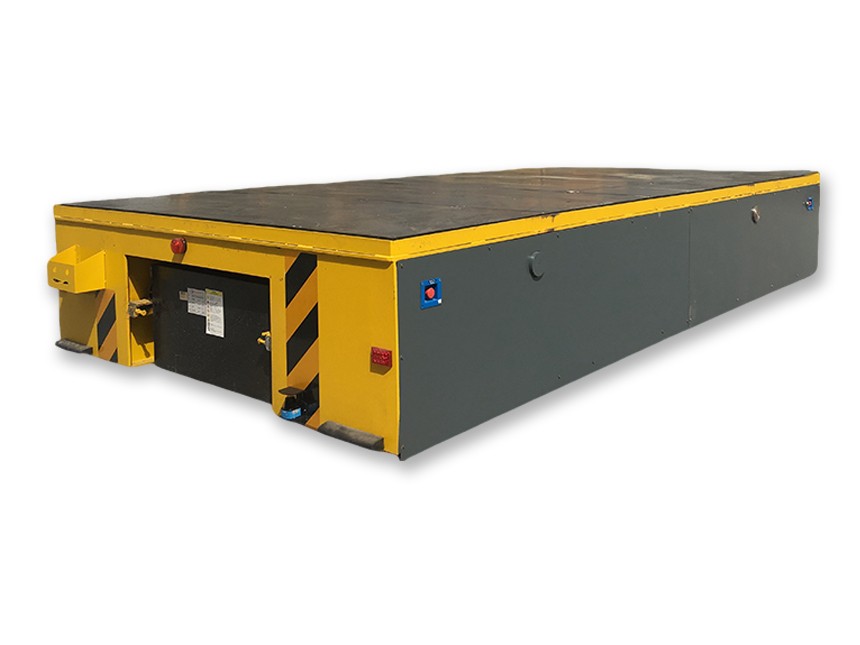
Transporting oversized loads in industrial facilities presents unique challenges that standard material handling equipment cannot address. Oversized loads—defined as components or materials that exceed standard handling dimensions or weight capacities—require careful planning, specialized equipment selection, and rigorous safety protocols to prevent accidents and equipment damage. The consequences of improper oversized load transport include structural failure, load shifting, collisions with facility infrastructure, and serious workplace injuries. A systematic approach to oversized load transport eliminates these risks and ensures reliable material flow even with the most challenging loads.
Every oversized load transport operation begins with a detailed load assessment. Document the exact dimensions, weight, center of gravity, and any unusual handling requirements. Oversized loads often have irregular shapes or uneven weight distribution that standard handling assumptions do not cover. Perform a walkthrough of the planned transport route before moving the load, identifying narrow doorways, floor load limits, overhead obstructions, and turning radius constraints that could affect the transport operation.
The load's securing requirements must also be assessed. Oversized loads are more susceptible to shifting during transport due to their size and unusual shape. Determine the number and type of securing points required, the appropriate load-rated straps or chains, and whether the cart deck requires customization to secure the load safely. Never assume standard deck configurations are adequate for oversized loads without explicit verification.
Not all transfer carts are suitable for oversized load transport. The cart must have adequate deck size, load capacity with appropriate safety margin, and a low center of gravity to maintain stability with top-heavy or unusually dimensioned loads. For very large or heavy oversized loads, consider custom deck extensions or reinforced deck structures. The cart's wheel configuration also matters: oversized loads impose higher point loads on wheels, and inadequate wheel load capacity causes premature wheel failure or floor damage.
Battery-powered transfer carts are strongly preferred for oversized load transport because they eliminate exhaust fumes and reduce noise, improving visibility and communication during complex maneuvers. For extremely heavy oversized loads (50 tons and above), cable-powered or busbar-powered carts may be necessary to provide continuous power without battery capacity limitations.
Proper load securing is the single most important safety factor in oversized load transport. Use load-rated securing equipment—straps, chains, or specialized clamps—appropriate for the load weight and configuration. The securing points on the cart must be rated for at least the full load weight at each securing location, not just the total load weight distributed across all securing points. A common mistake is using inadequate deck-mounted securing points that fail under the concentrated load of an oversized component.
For loads with unusual shapes or delicate surfaces, use non-marring securing methods (such as padded straps or custom-fitted cradles) to prevent surface damage during transport. Document the approved securing method for each type of oversized load and train operators on proper securing techniques. Regular inspection of securing equipment for wear or damage is essential.
Oversized load transport requires advance route planning that accounts for all facility constraints. Measure doorway widths, floor load capacities, overhead clearances, and turning radii along the entire planned route. Identify areas where the load will obstruct visibility for the cart operator and establish spotter positions or use radios for communication during those segments.
Floor condition is particularly important for oversized load transport. Cracks, uneven surfaces, or debris that would be insignificant for standard loads can cause load shifting or cart instability with oversized loads. Inspect and repair the transport route floor before moving oversized loads. For repeated oversized load transport operations, consider designating a dedicated route with reinforced flooring.
Establish clear safety protocols for oversized load transport operations. The cart operator should not proceed if visibility is compromised or if the load shows any sign of shifting. Use a spotter for all oversized load transports, with clear hand signals or radio communication protocols. Restrict access to the transport route during oversized load movement—oversized loads can sway or shift unexpectedly, creating a hazard zone significantly larger than the cart itself.
Speed limits for oversized load transport should be significantly lower than standard cart operations. A typical oversized load transport speed is 0.5–1.0 km/h (walking pace), allowing the operator and spotter to react to any developing issues. Emergency stop procedures should be established and communicated to all personnel involved.
Document each oversized load transport operation, including load details, route taken, securing method used, transport time, and any issues encountered. This documentation provides a proven method for future transports of similar loads, identifies recurring issues requiring facility modifications, and demonstrates due diligence in safety compliance audits.