+86 183 3953 1958
中文
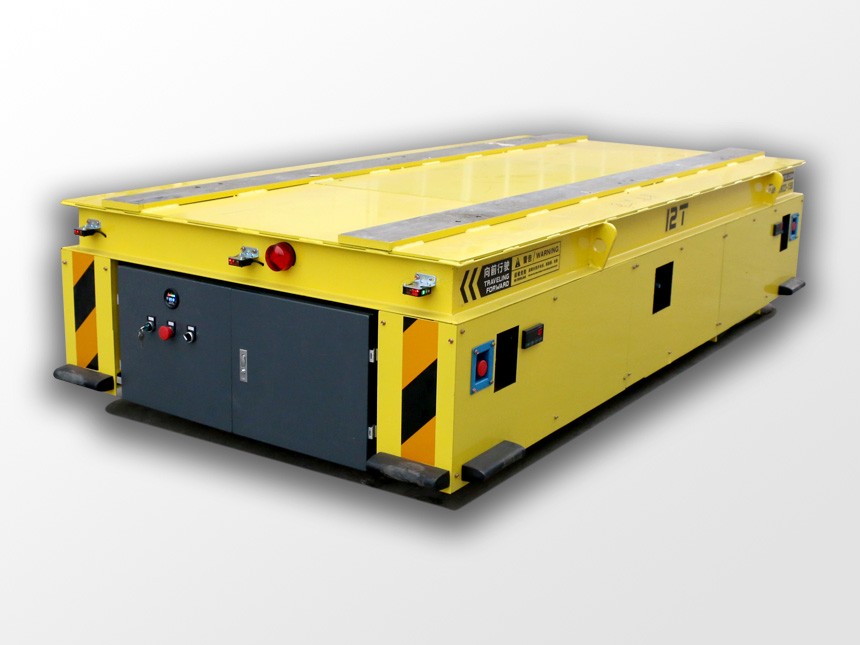
The platform cart—a flat load surface on wheels with no permanent enclosure—occupies a specific niche in the material handling equipment landscape. It is not the right solution for every application, but for the broad middle ground of general-purpose internal transport, it offers a combination of flexibility, capacity, and cost efficiency that more specialized equipment cannot match. Understanding why requires examining what platform carts do well, where they face limitations, and how those characteristics shape their competitive position against the alternatives.
The operating cost of electric platform carts is fundamentally lower than the alternatives in most indoor applications. Electric drive has no fuel cost equivalent—the energy cost per hour of operation is a fraction of diesel or propane fuel cost. Electric motors have far fewer wearing parts than combustion engines, which means lower maintenance cost and longer component life. The brake energy recovery that electric drive systems provide reduces energy consumption further in cyclic operations where frequent stops and starts are common.
Total cost of ownership comparisons between electric platform carts and internal combustion equipment in typical indoor applications consistently show electric advantages of 40-60% over a 5-year ownership period, driven primarily by fuel and maintenance savings. The initial acquisition cost premium for electric over diesel or propane is typically recovered within 18-30 months in moderate-use applications, and the payback accelerates in high-use applications where fuel and maintenance costs are proportionally larger.
Electric platform carts produce zero direct emissions during operation, which creates significant advantages in enclosed environments, climate-controlled spaces, and facilities with air quality requirements. Food processing, pharmaceutical manufacturing, electronics assembly, and cleanroom operations all present air quality requirements that rule out internal combustion equipment. Even in less sensitive applications, the absence of exhaust gas improves air quality in enclosed workspaces, which contributes to worker comfort and health over long shifts.
The noise advantage of electric drive is equally significant. Electric motors produce far less noise than combustion engines, and the smooth, continuous power delivery of electric drive creates less mechanical noise from the drivetrain than the gear shifts and torque converter engagement of internal combustion equipment. Facilities where operator communication during transport is important, or where noise exposure limits apply, benefit from the quiet operation of electric platform carts. In some applications, this quiet operation enables transport activities that would be impractical with louder equipment.
Electric drive systems provide control characteristics that internal combustion equipment cannot match. Variable frequency drives allow smooth, controlled acceleration from zero to maximum speed without the gear shifts and torque variations that characterize internal combustion drivetrains. Electronic steering systems on four-wheel steer platforms allow precise maneuvering in tight spaces that would require multiple forward-reverse cycles with conventional steering.
The positioning accuracy that electric platform carts achieve is particularly valuable in production environments where materials must be delivered to exact locations for automated or semi-automated handling. The repeatable, predictable positioning of electric drive eliminates the overshoot and correction cycles that forklift operators typically employ when approaching a target position, delivering materials to the correct location more quickly and with less wear on the floor from tire scrubbing during corrections.
The platform cart's defining characteristic is its lack of specialization—its ability to handle whatever fits on its load surface. This flexibility is a competitive advantage in high-mix production environments where multiple product types require different handling approaches, where production volumes don't justify dedicated equipment for each type, and where product designs change frequently enough that dedicated equipment would become obsolete quickly.
Modular securing systems—removable clamps, adjustable stops, reconfigurable fixture points—multiply the platform cart's flexibility by allowing the same cart to serve different load types without modification. A cart equipped with a set of modular fixtures can handle steel plates, machine components, and packaged goods in sequence without equipment changeover, and the same fixtures can be reconfigured in minutes when load types change. This flexibility allows facilities to operate with a smaller total fleet than would be required with dedicated equipment, because each cart is available for more applications.
Electric platform carts integrate with warehouse management systems, production scheduling systems, and manufacturing execution systems more easily than conventional material handling equipment. The electronic control systems that govern electric drive provide a natural interface for fleet management software that tracks cart location, monitors battery status, manages task assignment, and optimizes route scheduling. This integration enables pull-based material delivery—where transport activity is triggered by actual consumption at the point of use rather than by schedule—without additional hardware beyond wireless connectivity and appropriate software.
The data that electric platform cart control systems generate supports continuous improvement of transport operations. Battery discharge curves reveal actual usage patterns. Travel time data identifies bottlenecks in the facility's material flow. Load weight sensors confirm when materials have been delivered and trigger inventory updates in the management system. This data infrastructure supports the kind of systematic transport optimization that is difficult or impossible with conventional equipment that lacks the sensing and communication capability of electronic control systems.