+86 183 3953 1958
中文
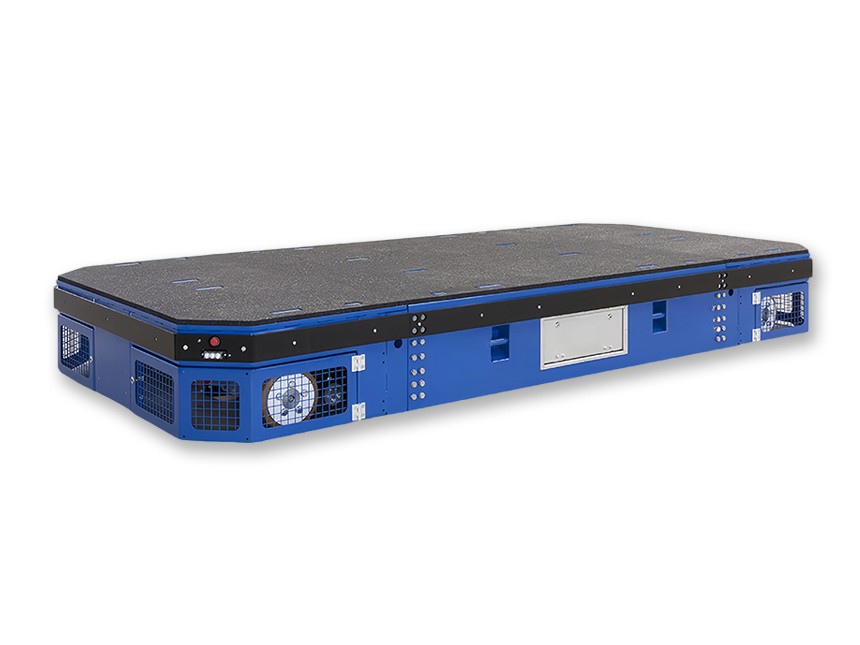
Energy consumption is the largest single operating cost variable in electric cart operations, and it is also the most misunderstood. The common assumption—that energy cost is simply the battery capacity multiplied by the electricity rate—ignores the complex relationship between cart design, operating conditions, and the efficiency of the charging system. Facilities that understand how these factors interact can make operational changes that significantly reduce energy cost without reducing transport capacity or service quality.
Energy consumption in electric cart operations breaks into several components, each with different drivers. The propulsive energy—the energy required to move the cart and its load—depends on vehicle weight, load weight, travel speed, rolling resistance, and the gradient of the travel route. Aerodynamic drag is negligible at the low speeds typical of indoor electric cart operation, but rolling resistance and grade resistance are significant. Rolling resistance in a typical industrial facility—where floor surfaces are concrete or asphalt with varying smoothness—represents 10-20% of total propulsive energy at low speeds. Grade resistance depends entirely on facility layout; a 1% gradient in a travel route adds meaningful energy consumption for the entire distance of that route.
Non-propulsive energy consumption—the energy used when the cart is not moving—comes from control electronics, safety systems, lighting, and communication equipment. This standby consumption can represent 5-15% of total energy consumption in applications where carts spend significant time waiting or positioned at loading stations. The battery management system's own consumption is included in this figure and varies significantly across battery chemistries and management system designs.
The battery is both the energy source and a significant source of energy loss in electric cart operation. The round-trip efficiency of a battery—the ratio of energy delivered to the load during discharge to energy required to recharge it—varies substantially across battery chemistries and across operating temperature ranges. Lithium-ion batteries typically achieve 90-95% round-trip efficiency across their normal operating temperature range. Lead-acid batteries typically achieve 70-85% round-trip efficiency, with the lower end of that range occurring at high discharge rates or low states of charge.
For operations that run multiple charge cycles per shift, this efficiency difference translates directly to energy cost difference. A facility running 3 charge cycles per day on lead-acid batteries at 80% efficiency is paying for 20% more energy than the batteries actually deliver. At high electricity rates, this can represent tens of thousands of dollars per year in excess energy cost across a modest fleet. The lower initial cost of lead-acid batteries that makes them attractive at purchase is often offset within 2-3 years by this efficiency disadvantage in high-utilization applications.
The charging strategy adopted for an electric cart fleet significantly affects both battery life and energy consumption. Full depth-of-discharge cycles—running batteries to low states of charge before recharging—allow the battery management system to perform accurate capacity measurements and balance cells, but they also accelerate calendar aging of the battery and create periods when the cart is unavailable for transport operations. Shallow cycles—opportunity charging that adds charge when the cart is available between tasks—are operationally attractive because they minimize cart downtime for charging, but they prevent the battery management system from performing full capacity calibrations and can lead to capacity estimation errors over time.
The most effective approach for most high-utilization operations is a scheduled opportunity charging model: brief charging opportunities during natural work breaks and shift transitions, with a periodic full discharge cycle performed during planned maintenance windows. This approach maintains the operational availability benefits of opportunity charging while preserving the battery calibration and cell balancing that full cycles provide. The scheduling of full discharge cycles should be based on the battery management system's capacity estimation drift rather than on a fixed calendar interval.
The routes that electric carts travel—each cart's specific path through the facility from origin to destination—have a significant effect on energy consumption that is often overlooked in transport system design. The most direct route between two points is not always the most energy-efficient route, particularly when gradients are involved. A route that adds 50 meters of travel distance but avoids a 1.5% grade might have lower total energy consumption than the direct route because the energy required to climb the grade on the direct route exceeds the energy required to travel the additional distance on the flatter alternative.
Facilities that have mapped their travel routes and analyzed the energy consumption profile of each route segment have consistently found significant variation in energy consumption per trip even for trips of similar distance. Some routes that appear efficient based on distance are among the least efficient based on energy consumption because of their gradient profile or floor surface conditions. This mapping analysis is particularly valuable when establishing speed limits for specific route segments—a reduced speed on a high-energy-consumption route segment can meaningfully reduce total energy consumption while having minimal effect on overall transport time.
Energy monitoring systems that provide consumption data at the level of individual trips, rather than aggregate fleet totals, enable operational improvements that aggregate monitoring cannot support. When a facility can see the energy consumption of each cart on each trip, it can identify which operators consistently achieve better energy efficiency, which routes have the highest energy costs, and which periods of the day have the highest energy consumption per unit of transport work done. This granular data supports targeted improvement actions that aggregate data cannot support.
The most productive use of granular energy monitoring is identifying anomalous consumption—individual trips or individual carts whose consumption is significantly above or below the norm for comparable trips or comparable carts. Anomalously low consumption on a specific cart might indicate a battery problem that is reducing the cart's actual capacity without triggering a battery management system alarm. Anomalously high consumption on a specific route might indicate a floor surface problem or a gradient that was not present when the route was originally established. Either finding leads to an action that improves overall fleet efficiency.