+86 183 3953 1958
中文
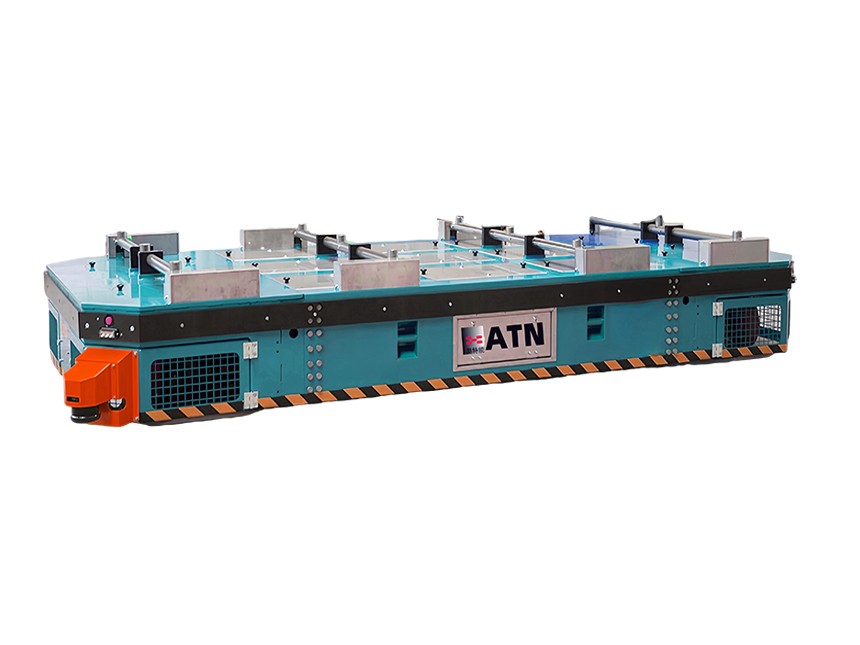
The transition from diesel-powered industrial vehicles to electric has been most pronounced in applications where the vehicle operates indoors, operates on predictable routes, and operates at relatively consistent speeds. Electric flatbed vehicles meet all three criteria for many manufacturing applications, and the operational and environmental advantages of electric power have driven rapid adoption. Understanding the specific application contexts where electric flatbed vehicles have delivered the most value helps facilities considering their own transition evaluate the potential benefits for their specific situation.
A steel service center processing 500+ tonnes of steel per day required continuous internal transport between the cut-to-length line, shot blasting, painting, and shipping areas. The previous fleet of diesel-powered forklifts created air quality problems in the enclosed facility—diesel particulate levels frequently exceeded acceptable limits during high-throughput periods—and the ventilation system struggled to maintain acceptable air quality despite significant energy expenditure.
The transition to electric flatbed vehicles eliminated the air quality problem entirely. The service center operated two continuous-shift crews and found that battery swapping—exchanging depleted batteries for charged batteries in under 10 minutes using a battery exchange station—maintained continuous operation without the downtime that opportunity charging would require. The energy cost per tonne moved fell by 35% compared to diesel operation, and the maintenance cost per vehicle fell by 60% because electric motors have far fewer wearing parts than diesel engines. Total cost of ownership analysis showed the electric fleet paying back its higher initial cost within 28 months.
An aerospace assembly facility assembling wing and fuselage sections for commercial aircraft required internal transport of components measuring up to 18 meters in length. The components were too large for standard forklifts, requiring specialized heavy-lift transporters. The original transporters were diesel-powered hydraulic vehicles with limited speed control and imprecise positioning capability.
The facility's transition to electric flatbed vehicles with independent wheel drive and electronic steering control provided positioning accuracy that the hydraulic vehicles could not match. Electronic steering allows the vehicle to execute precise turning maneuvers in tight spaces, and independent wheel drive provides smoother, more controlled movement that reduces the dynamic loads on large, flexible aircraft structures during transport. The electric vehicles also eliminated the exhaust gas concern in the air-conditioned assembly facility—a significant advantage given the tight air quality specifications required for composite component assembly. Positioning accuracy improved from ±50mm with the hydraulic vehicles to ±5mm with the electric system, and component transport-related delays fell by 70%.
A pulp and paper mill presented a particularly challenging environment for electric vehicles: high humidity, chemical vapors, and routine water spray for equipment cleaning. The previous diesel forklifts were corroding rapidly despite protective coatings, and the enclosed cabs required constant HVAC maintenance to prevent moisture damage to electrical systems.
The electric flatbed vehicles selected for this application featured IP67-rated motor and battery enclosures, stainless steel control enclosures, and corrosion-resistant coatings on all external surfaces. The sealed design of electric motors—without the air intake and exhaust systems of diesel engines—proved inherently more resistant to the humid, chemically active environment. Vehicle maintenance intervals extended from 250 hours to 750 hours compared to the previous diesel fleet, and the corrosion-related replacement costs that had been running at 15% of vehicle value annually fell to under 2%. The facility also reported improved operator comfort from the absence of diesel vibration and exhaust, which reduced operator fatigue and associated performance variability.
An aluminum extrusion plant processes aluminum billets heated to 500°C, moving extruded shapes from the extrusion press through cooling beds to the saw area. The combination of high ambient temperatures near the press, heavy loads of hot aluminum, and the need for precise positioning at the saw stations created demanding requirements for the transport vehicles serving this area.
The facility deployed electric flatbed vehicles with specialized heat-resistant decks and independent cooling for the battery and control systems. The vehicles operated in the high-heat zone adjacent to the press, where ambient temperatures regularly exceeded 45°C, with the battery and control systems isolated in a cooled compartment that maintained internal temperatures within the equipment specifications. The precise positioning capability of electronic steering was particularly valuable at the saw stations, where aluminum profiles needed to be positioned within ±3mm for accurate cutting. Diesel vehicles had been unable to operate in this zone due to overheating problems; the electric vehicles have operated continuously in this application for over 3 years without heat-related failures.
A commercial truck assembly plant running 85 different models on the same assembly line—with batch sizes as small as 1 unit for some specialty configurations—required material transport that could adapt to the high variety without dedicated equipment for each model. The previous approach used a mix of 12 different specialized carts and fixtures, each dedicated to a specific component or component group, creating significant changeover delays and storage space requirements for the inactive fixtures.
The facility replaced the specialized cart collection with 6 universal electric flatbed vehicles equipped with modular load-securing systems that could be reconfigured in under 5 minutes for different component types. The same vehicles handled dashboard clusters, seat assemblies, engine subframes, wiring harnesses, and interior trim packs—components with completely different geometries and securing requirements—by swapping the modular securing fixtures. Changeover time for the transport system dropped from an average of 35 minutes to under 5 minutes, and the storage space freed by eliminating dedicated fixtures was converted to additional production area. The flexibility of the universal vehicle platform also accommodated two new model introductions without any new transport equipment investment.
Across these cases, the applications where electric flatbed vehicles created the most significant value share common characteristics: enclosed environments where air quality matters, precision positioning requirements that electronic control handles better than hydraulic systems, continuous or high-frequency operation where the lower operating cost of electric power accumulates significantly, and environments where the absence of exhaust gas simplifies compliance with health and safety requirements. These are the conditions under which the transition to electric creates the clearest, most quantifiable return.