+86 183 3953 1958
中文
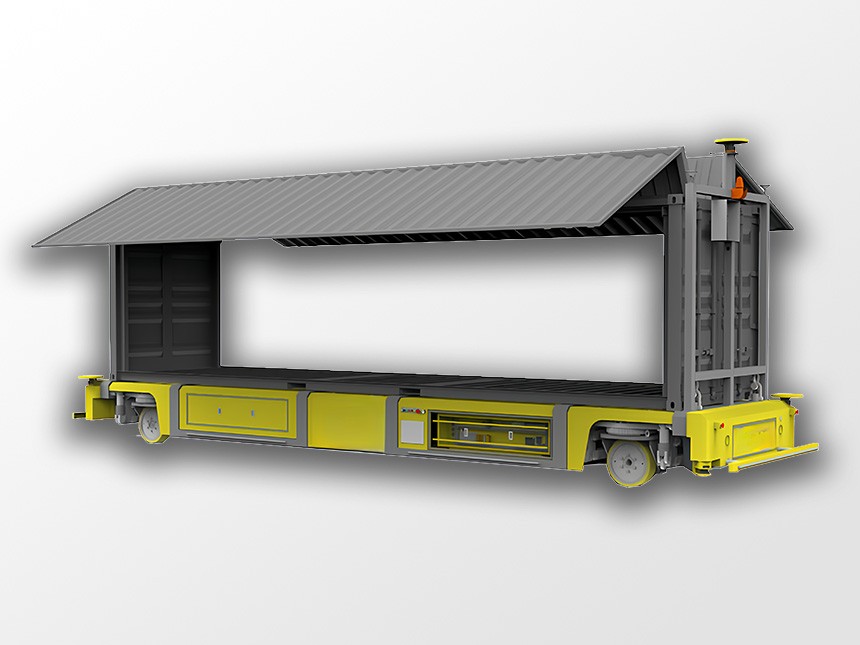
A flatbed cart is a material handling vehicle characterized by its open, flat load surface without permanent sides, bins, or containers. This seemingly simple design choice is the source of the flatbed cart's versatility. Unlike bin carts, shelf carts, or specialized fixtures that are optimized for specific load types, a flatbed cart accommodates whatever fits on its surface. This makes it the preferred choice for facilities that handle diverse load types—different sizes, shapes, weights, and quantities—where dedicated handling equipment for each load type would be impractical.
The flat load surface is typically constructed from steel or aluminum plate, with appropriate reinforcement for heavy loads. Load capacity ratings for flatbed carts typically range from 1,000 kg to over 50,000 kg, with platform dimensions that can be customized for specific facility requirements. Drive systems are electric battery, with the battery capacity chosen to match the expected shift length and duty cycle of the application. Steering can be manual push, lead operator walk-along, or remote-controlled autonomous operation.
Flatbed carts serve applications across manufacturing, warehousing, and logistics industries. In metal fabrication and steel service centers, flatbed carts transport steel plate, sheet, coil, and structural sections between storage, cutting, forming, and shipping operations. The flat surface accommodates the irregular geometries and sharp edges common in metal fabrication without the damage risks that enclosed containers would present. Heavy-duty flatbed carts rated for 10,000 kg or more are standard in these applications.
In aerospace and automotive assembly, flatbed carts move large structural components—fuselage sections, wing panels, body panels, chassis frames—between assembly stations and sub-assembly areas. The open design allows overhead cranes and hoists to access load attachment points without navigating around cart sides or container walls. Modular fixturing on the flatbed surface allows the same cart to serve different component geometries without modification.
Paper and printing operations use flatbed carts to move paper rolls, printed sheets, and binding materials. Paper rolls are heavy—each roll can weigh hundreds of kilograms—and must be transported in orientations that prevent damage to the roll surface. Roll cradles and retention bars can be mounted on the flatbed to secure rolls during transport. The ability to configure the flatbed surface for different roll sizes without changing equipment is a significant operational advantage.
The economics of material handling equipment favor specialization: a dedicated container for each load type handles that load type more efficiently than a general-purpose cart. But this efficiency comes at the cost of flexibility. Facilities that run high-mix production—many different products in relatively small quantities—face a choice: invest in many specialized carts, one for each application, or invest in fewer general-purpose carts that can handle all load types.
The general-purpose approach wins in most high-mix situations. One well-designed flatbed cart with a modular securing system—a set of adjustable stops, clamps, and support fixtures—replaces several specialized carts at a fraction of the total cost. The cart is available for any load type rather than being dedicated to one, so the effective fleet size is larger without adding more equipment. Changeover between load types is a matter of repositioning securing fixtures rather than swapping carts, which reduces the operational complexity of managing a large, specialized fleet.
Electric drive has become the standard for flatbed carts in most industrial applications, replacing hydraulic, diesel, and manual options. Electric drive offers precise speed control—smooth acceleration and deceleration that is difficult to achieve with hydraulic systems—and eliminates the exhaust emissions and noise of diesel power. Battery technology has advanced sufficiently that a single battery charge provides enough capacity for a full production shift in most applications, with opportunity charging during breaks or shift changes extending effective operating time.
The absence of exhaust emissions is particularly valuable in enclosed facilities and in applications near production equipment. Electric flatbed carts can operate in facilities with strict air quality requirements—pharmaceutical cleanrooms, food processing, electronics assembly—where internal combustion equipment would create contamination concerns. The lower noise level of electric drive also benefits facilities where noise exposure is regulated or where communication between workers is important during transport operations.
Flatbed carts integrate with facility operations through both physical infrastructure and information systems. Physically, the facility layout must accommodate the cart's turning radius, access requirements, and the clearances needed for loading and unloading operations. Aisle widths, door openings, floor loading capacity, and the presence of slopes or ramps all affect whether a flatbed cart can operate in a given area.
Information system integration—connecting the cart to warehouse management systems, production scheduling systems, or manufacturing execution systems—enables pull-based material delivery where cart dispatch is triggered by actual consumption at the point of use rather than by schedule or forecast. This integration requires appropriate hardware on the cart (terminals, scanners, wireless connectivity) and software integration with the facility's existing systems. The investment in integration is justified by the reduction in material handling labor and the improvement in material availability that pull-based delivery provides.