+86 183 3953 1958
中文
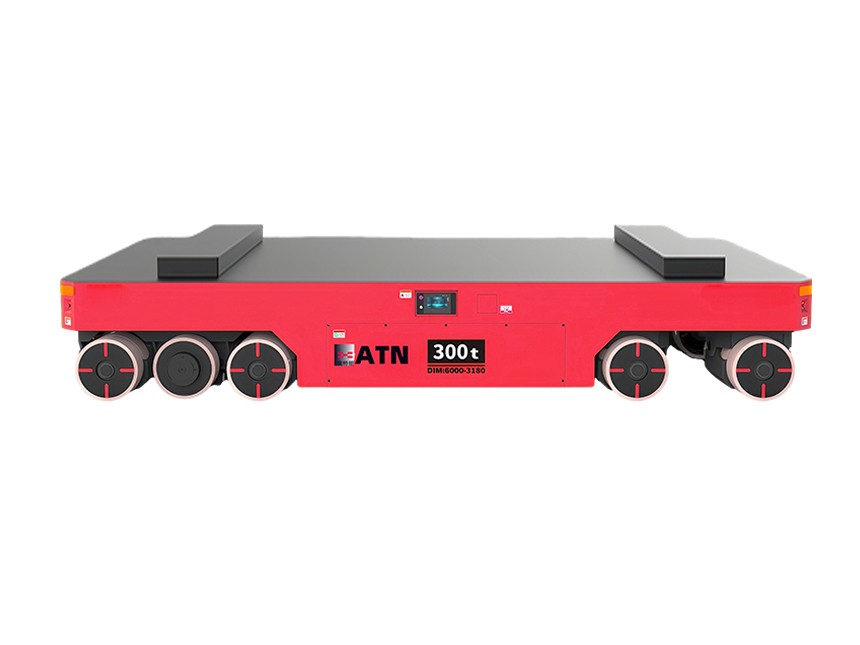
Automotive assembly demands precision, speed, and flexibility. Transfer carts in this environment don't just move parts — they synchronize with production takt time, integrate with automated systems, and handle everything from bare chassis to complete powertrains. The wrong cart creates bottlenecks; the right one disappears into the background of a smooth operation.
Unlike general material handling, automotive lines have specific constraints:
Standard industrial carts rarely meet these requirements without modification. Automotive-grade transfer carts are engineered specifically for this ecosystem.
Moving stamped body panels and welded subassemblies between stations. Carts handle irregular shapes with custom fixtures. Precision stops allow robotic welding arms to access exact points. Typical loads: 500kg to 5 tons.
Engines, transmissions, and electric drivetrains move through assembly and test stations. Carts carry heavy, concentrated loads with low centers of gravity. Integration with torque tools and test equipment requires precise positioning and communication protocols.
Interior components, dashboards, seats, and electronics feed the main line. Smaller carts with high maneuverability navigate tight spaces. Just-in-time delivery means carts arrive minutes before installation.
Moving completed vehicles from end-of-line to test tracks or shipping. Heavy-duty carts handle 2-3 ton vehicles. Some facilities use rail-guided systems for this final transfer to eliminate steering variance.
Automotive assembly tolerances are tight. Transfer carts achieve ±1mm repeatability through:
Without this precision, robotic arms miss fasteners, vision systems fail inspections, and quality suffers.
High-mix production requires quick changeover. Modern carts use:
Changeover time under 5 minutes keeps the line flowing during model switches.
Paint shops and clean assembly areas demand:
Carts don't operate in isolation. They connect to:
Standard protocols: Profinet, EtherNet/IP, OPC UA. Custom integrations available for legacy systems.
Automotive plants combine automated carts with human workers. Safety systems include:
Safety certifications: ISO 13849 for control systems, IEC 61508 for functional safety.
Automotive lines run 2-3 shifts. Downtime is expensive. Reliable carts feature:
Mean Time Between Failures (MTBF) targets: 2,000+ hours for critical path carts.
Automotive-grade transfer carts cost more than standard industrial units. Justification comes from:
Typical payback: 18-36 months depending on line complexity and labor costs.
Transfer carts in automotive assembly are specialized equipment that directly impacts production quality and efficiency. Precision positioning, flexible fixtures, clean operation, and seamless integration separate automotive-grade solutions from standard industrial carts. The investment pays off through smoother operations, higher quality, and the agility to adapt to changing production demands.