+86 183 3953 1958
中文
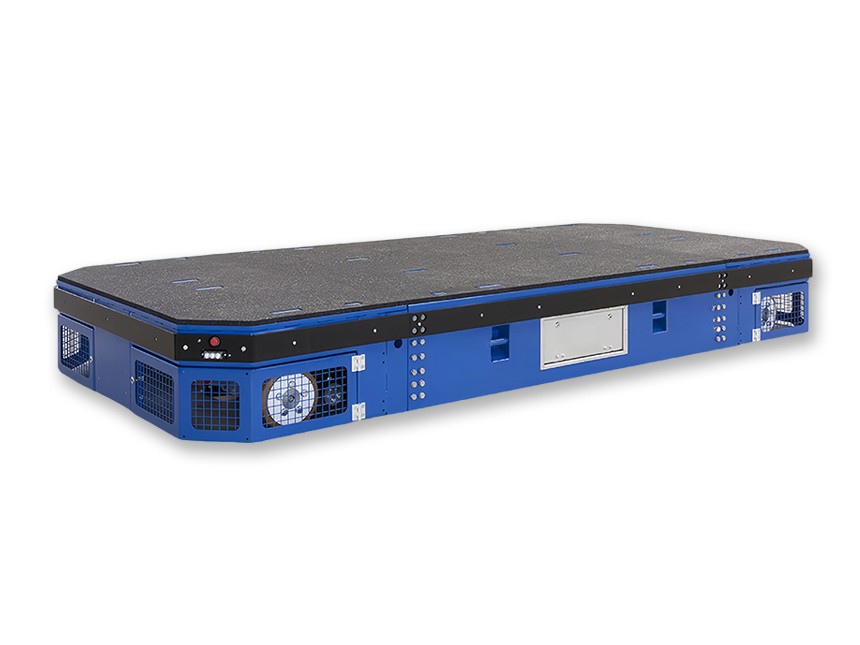
Selecting the right battery for your electric carts and AGVs isn't a one-size-fits-all decision. With dozens of chemistries, voltages, and capacity ratings on the market, many fleet operators end up either overbuying—and overspending—or under配置—only to face premature failures and costly downtime. This guide walks you through the key factors to evaluate, so you can make a confident, cost-effective choice for your specific operation.
The two dominant options for electric carts and AGVs are lead-acid and lithium-ion (Li-ion). Lead-acid batteries carry a lower upfront cost, but Li-ion batteries dominate in modern AGV applications due to higher energy density, faster charging, and longer cycle life.
For light-duty, low-frequency operations where budget is the primary constraint, lead-acid may be justifiable. However, for most commercial electric cart fleets, Li-ion delivers better total value despite the higher initial investment.
Key chemistries used in electric carts include:
Battery capacity must align with your vehicle's load rating and daily operational hours. Insufficient capacity leads to mid-shift shutdowns; excessive capacity adds unnecessary weight and cost.
General capacity guidelines by vehicle class:
Always account for a 20% depth-of-discharge buffer to extend battery lifespan. If your fleet operates on variable shifts, consider a modular design that allows hot-swapping or opportunity charging.
Temperature, humidity, dust, and vibration all affect battery performance and longevity. Standard lead-acid batteries perform poorly in extreme cold; Li-ion batteries with built-in heating elements can operate reliably in sub-zero environments down to -20°C.
For demanding environments, prioritize:
The purchase price is only part of the equation. A battery's cycle life—the number of full charge/discharge rounds it can handle—directly impacts your cost per year.
When calculated across the battery's lifetime, Li-ion typically delivers 30–50% lower total cost of ownership in high-utilization scenarios, even with a 2–3× higher purchase price.
Charging time and strategy matter as much as the battery itself. Li-ion batteries charge 3–5× faster than lead-acid, enabling opportunity charging during breaks—critical for multi-shift operations.
Check that the battery's Battery Management System (BMS) is compatible with your existing charging infrastructure and fleet management software. CAN bus and RS485 communication protocols are standard for industrial AGV integrations.
Off-the-shelf batteries work for generic applications, but many electric cart deployments have unique requirements that standard products can't reliably serve. Custom battery solutions allow you to optimize for:
Choosing a custom battery solution for your electric carts and AGVs comes down to matching chemistry, capacity, and cycle life to your real operational demands—not just picking the cheapest option on paper. A reputable supplier will conduct a site assessment and provide engineering-level recommendations tailored to your fleet's usage patterns.
Before you commit, define your key parameters: daily runtime, vehicle weight, shift structure, and environmental conditions. With those answers, you can evaluate whether a standard product suffices or whether a custom-engineered battery pack is the smarter investment for long-term reliability and cost efficiency.