+86 183 3953 1958
中文
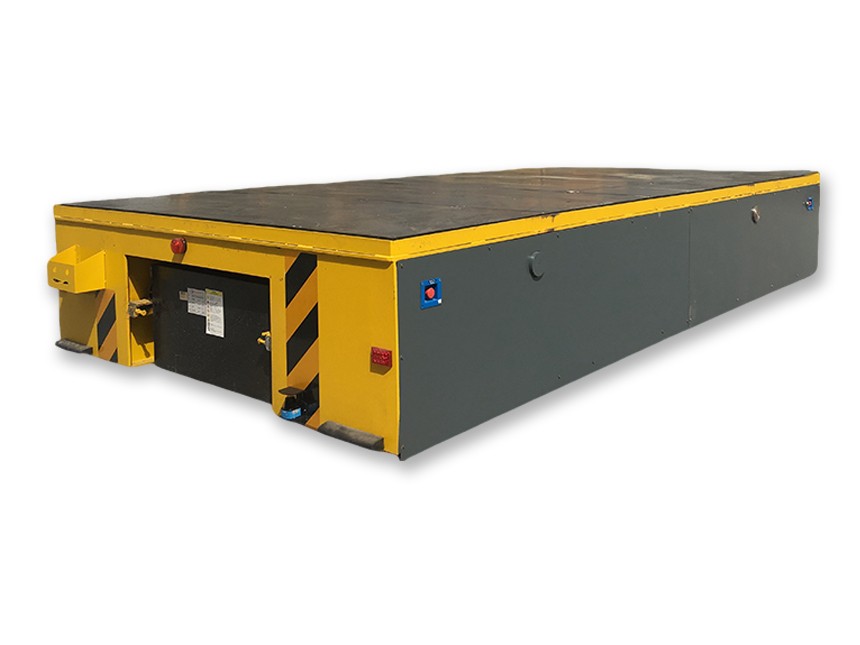
The material handling industry is undergoing a transformation driven by environmental considerations. Regulatory pressure, corporate sustainability commitments, and customer expectations are converging to create demand for material handling equipment that minimizes environmental impact. This transformation is not merely a matter of public relations or regulatory compliance; it is a fundamental shift in how material handling operations are designed, executed, and evaluated. Eco-friendly material handling equipment—equipment that reduces energy consumption, eliminates emissions, and minimizes waste—is becoming the standard rather than the exception, and facilities that fail to adapt risk competitive disadvantage in markets where environmental performance is increasingly a selection criterion.
Energy consumption is the most significant environmental impact of material handling equipment, and energy efficiency is therefore the primary metric for evaluating environmental performance. Electric material handling equipment—electric forklifts, electric transfer carts, electric pallet jacks—consumes electricity rather than diesel or gasoline, and the environmental impact of that electricity depends on how it is generated. In regions with a high proportion of renewable energy in the grid, electric equipment has a low carbon footprint. In regions with a high proportion of coal-fired generation, the carbon footprint of electric equipment is higher, though still typically lower than equivalent diesel equipment because of the higher efficiency of electric motors compared to internal combustion engines.
The energy efficiency of electric material handling equipment has improved significantly over the past decade. Modern electric motors achieve efficiencies of 90% or higher, compared to 30-40% for internal combustion engines. Regenerative braking systems recover energy during deceleration and downhill travel, extending battery range and reducing net energy consumption. Advanced battery management systems optimize charging patterns to minimize energy waste and extend battery life. These efficiency improvements mean that modern electric material handling equipment consumes significantly less energy per unit of work than older equipment or than equivalent diesel equipment, reducing both operating costs and environmental impact.
The emissions profile of material handling equipment depends on the power source. Diesel and gasoline equipment produces emissions at the point of use—carbon dioxide, nitrogen oxides, particulate matter, and hydrocarbons—that affect indoor air quality and contribute to local air pollution. Electric equipment produces no emissions at the point of use; the emissions associated with electric equipment occur at the power generation facility, which may be located far from the material handling operation and may use cleaner generation technologies than internal combustion engines.
The shift from diesel to electric material handling equipment has eliminated a significant source of indoor air pollution in manufacturing and warehousing facilities. Facilities that previously relied on diesel forklifts and transport vehicles have improved indoor air quality, reduced ventilation requirements, and eliminated the health risks associated with diesel exhaust exposure. These benefits are particularly significant in enclosed facilities where ventilation is limited and where personnel work in close proximity to material handling equipment. The environmental benefit extends beyond the facility to the broader community, as the elimination of diesel emissions from material handling operations reduces local air pollution and its associated health impacts.
Eco-friendly material handling equipment encompasses more than energy efficiency and emissions reduction. Sustainable design principles are being applied to the entire product lifecycle, from material selection to manufacturing processes to end-of-life disposal. Manufacturers are increasingly using recycled materials in equipment construction, reducing the environmental impact of raw material extraction. Manufacturing processes are being optimized to minimize waste, reduce water consumption, and eliminate hazardous substances. Equipment is being designed for durability and repairability, extending service life and reducing the frequency of replacement.
The battery systems used in electric material handling equipment are a particular focus of sustainable design attention. Lead-acid batteries are highly recyclable—virtually all lead-acid batteries are recycled at end of life, with the lead and plastic components recovered and reused in new batteries. Lithium-ion batteries present greater recycling challenges because of their more complex chemistry, but recycling technologies are improving and regulatory requirements for lithium-ion battery recycling are increasing. Manufacturers are also designing battery systems for longer service life, reducing the frequency of battery replacement and the associated environmental impact of battery production and disposal.
The adoption of eco-friendly material handling equipment is driven not only by environmental considerations but also by business considerations. Energy-efficient equipment reduces operating costs through lower energy consumption. Electric equipment reduces maintenance costs because electric motors have fewer moving parts than internal combustion engines and require less frequent service. The elimination of diesel fuel handling and storage reduces operational complexity and safety risks. And the improved indoor air quality from electric equipment creates a healthier work environment that can reduce absenteeism and improve productivity.
The business case for eco-friendly material handling is strengthened by regulatory trends that are increasing the cost of non-compliant equipment. Emissions regulations are becoming more stringent, and facilities that continue to rely on diesel equipment face increasing compliance costs and operational restrictions. Carbon pricing mechanisms, where implemented, increase the cost of energy from fossil fuel sources and improve the economic competitiveness of energy-efficient electric equipment. Facilities that invest in eco-friendly material handling equipment today are positioning themselves for a regulatory environment that will increasingly penalize high-emission operations.
The growing demand for eco-friendly material handling equipment has led to a proliferation of environmental claims, not all of which are substantiated by actual performance data. Evaluating these claims requires looking beyond marketing materials to the underlying engineering and operational data. Key questions to ask when evaluating environmental claims include: What is the energy consumption per unit of work, and how was it measured? What is the emissions profile, and does it account for the full lifecycle including electricity generation? What is the expected service life, and how does it compare to conventional equipment? What is the end-of-life disposal plan, and what percentage of the equipment will be recycled or reused?
Independent certification programs—such as energy efficiency certifications, environmental product declarations, and lifecycle assessment reports—provide a framework for evaluating environmental claims against standardized criteria. Equipment that has been certified by an independent third party provides greater confidence that the environmental claims are substantiated by actual performance data. Facilities that are serious about environmental performance should require independent certification as a condition of equipment selection, rather than relying on manufacturer self-certification or unverified marketing claims.