+86 183 3953 1958
中文
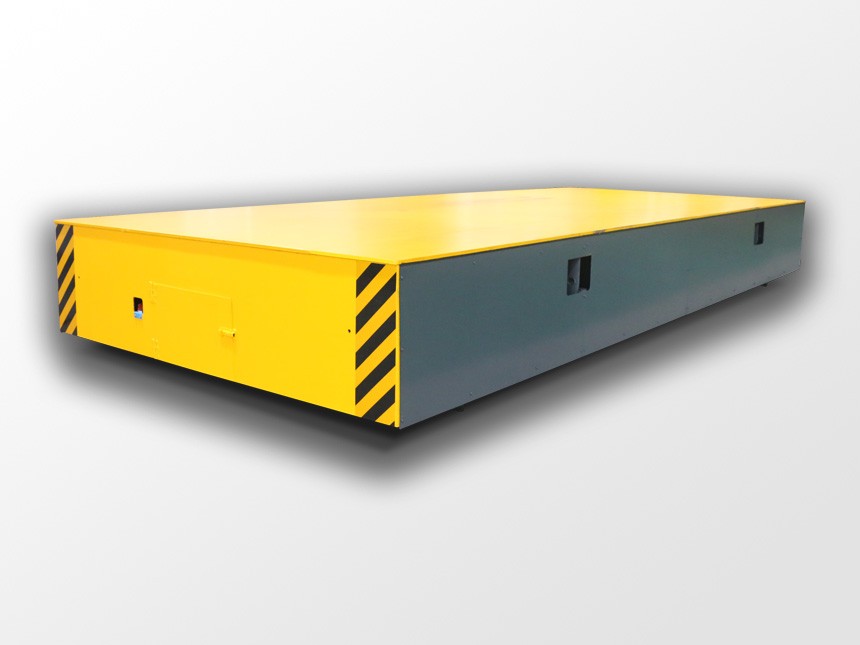
Electric flatbed carts have come a long way from simple battery-powered platforms. Today's designs reflect real demands from factory floors — tighter spaces, heavier loads, longer shifts, and integration with broader logistics systems. The changes aren't flashy; they're practical responses to operational pressure.
Let's look at what's actually changing in the way these carts are built and configured.
Modern flatbed carts increasingly use modular deck systems. Instead of fixed dimensions, manufacturers offer bolt-on sections, adjustable railings, and interchangeable fixtures. This matters when your loads vary — one day it's steel coils, the next it's palletized components.
A modular approach means one cart chassis can serve multiple applications. You add side rails for pipe transport, remove them for flat pallets, or install custom fixtures for dies and molds. The base platform stays the same; only the top configuration changes.
Beyond the deck, subsystems are becoming more standardized. Drive units, battery packs, and control modules often use common mounting patterns. This simplifies repairs and upgrades. When a battery technology improves, you can swap the pack without replacing the entire cart.
Standardization also helps fleet management. Mixed fleets from different suppliers become easier to maintain when core components share specifications.
Basic electric carts had forward, backward, and stop. Newer designs offer programmable speed curves — acceleration and deceleration rates tailored to load weight and floor conditions. Heavy loads get gentler starts to prevent jerk and product damage. Empty carts can move faster to improve cycle times.
This isn't about automation; it's about giving operators better tools. A speed profile that matches the application reduces both product damage and operator fatigue.
Remote control is now standard on many industrial flatbed carts rather than a premium option. Operators can walk alongside the load, maintaining visibility without riding the cart. Wireless pendant controls and even tablet-based interfaces are replacing hard-wired tethers.
The practical benefit is safer operation in tight spaces. The operator positions for visibility, not for access to a fixed control panel.
Lithium iron phosphate (LiFePO4) batteries are replacing lead-acid in an increasing share of electric flatbed carts. The reasons are straightforward: longer cycle life, faster charging, no maintenance, and consistent power output regardless of charge state.
For multi-shift operations, lithium batteries enable opportunity charging during breaks. A 15-minute top-up can extend runtime significantly. Lead-acid batteries can't match this flexibility.
Some newer designs incorporate regenerative braking, capturing energy during deceleration. The savings per stop are small, but in facilities with frequent start-stop cycles, the cumulative effect extends battery range. It's a feature borrowed from electric vehicles, now scaled down for industrial carts.
Frame construction is shifting toward mixed-material designs. High-strength steel handles the structural loads in critical areas, while aluminum components reduce overall weight where strength is less critical. A lighter cart means less energy consumption and easier manual maneuvering when the power is off.
Wheel technology has advanced beyond simple casters. Polyurethane formulations now offer better floor protection, lower rolling resistance, and longer wear life. Drive wheel designs distribute traction more evenly, reducing slippage on smooth concrete or slight inclines.
Some carts now use differential drive systems — independent wheel motors that improve turning performance without complex steering linkages. This simplifies maintenance and reduces mechanical failure points.
Modern electric flatbed carts include more than emergency stop buttons. Proximity sensors, automatic slowdown in corners, and load stability monitoring are becoming common. These features aren't replacing operator judgment; they're adding layers of protection for busy, distracted environments.
Control layouts are getting attention too. Buttons and levers are positioned for natural hand positions. Displays — where included — show battery state, speed, and fault codes in plain language rather than cryptic symbols. The goal is reducing training time and operator errors.
Perhaps the most significant trend is connectivity. Electric flatbed carts increasingly include communication interfaces — CAN bus, Modbus, or even Ethernet — that allow integration with facility management systems. This enables:
Not every facility needs this level of integration. But for plants moving toward digital logistics, having carts that can talk to the system is a prerequisite.
Electric flatbed cart design is evolving in response to real operational needs. Modular platforms, smarter controls, better energy systems, and connectivity options are making these carts more versatile and cost-effective. The improvements aren't revolutionary — they're incremental changes that add up to significantly better performance.
For buyers evaluating new equipment, these trends mean more options and better long-term value. A cart purchased today is likely to be more adaptable, efficient, and easier to maintain than one from five years ago. That's a trend worth paying attention to.