+86 183 3953 1958
中文
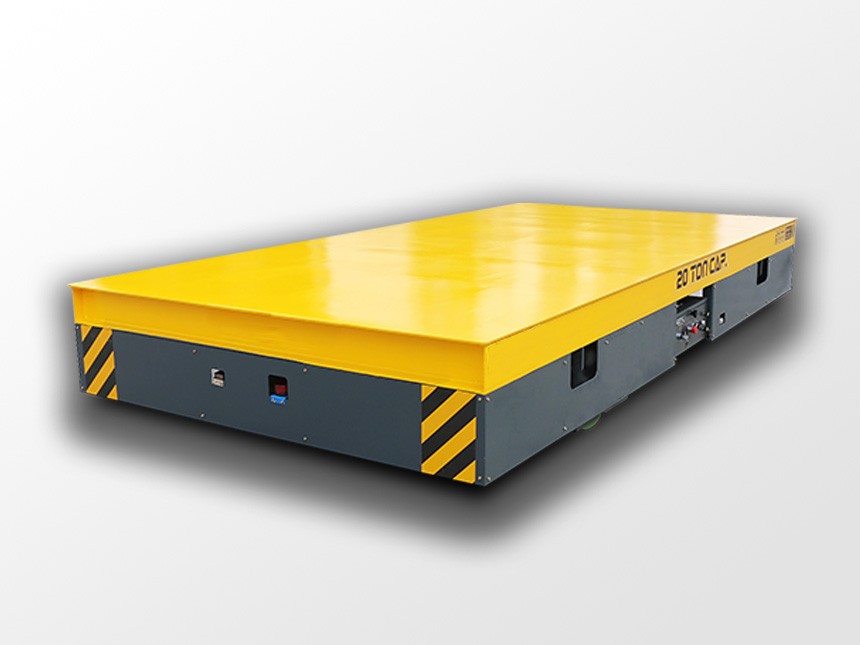
Buying an electric transfer cart seems straightforward until it isn't. I've seen too many buyers focus on the wrong things — price, speed, or flashy features — and end up with equipment that doesn't fit their actual needs. Here are the mistakes that keep showing up, and how to avoid them.
Buyers often check rated load and stop there. But here's the thing: dynamic loading, load center, and load distribution matter just as much. A cart rated for 10 tons might struggle if that weight is concentrated on one side or if the load shifts during transport. Always share your actual load dimensions and center of gravity with the supplier. The best manufacturers will ask for this — if they don't, that's a red flag.
Lowest bid wins, right? Wrong. The purchase price is maybe 40% of your total cost. Batteries, maintenance, downtime, and spare parts add up fast. A cheap cart with poor component quality will cost more over five years than a slightly more expensive, well-built unit. Ask for a total cost of ownership estimate before you sign anything.
Electric carts need flat floors. Not perfectly flat, but flat enough. Cracks, slopes over 2%, and uneven surfaces cause premature wheel wear, steering issues, and even motor strain. Some buyers skip the floor assessment entirely. Don't. Measure your floor flatness and share it. The supplier needs this to recommend the right wheel type and drive configuration.
Lead-acid or lithium? Opportunity charging or battery swap? These aren't minor details — they determine whether your cart runs two shifts or sits idle. Lithium costs more upfront but lasts longer and charges faster. Lead-acid is cheaper but needs maintenance. Match your battery strategy to your operational schedule, not your budget alone.
Safety systems aren't optional extras. Emergency stops, collision sensors, warning lights, and speed limits in designated zones — these protect your people and your investment. Skipping them to save a few hundred dollars is a decision you'll regret. Ask what safety features are standard, not optional.
Your transfer cart doesn't operate in a vacuum. It needs to work with your existing workflow — production lines, cranes, conveyors, storage areas. If you don't plan handoff points and route layout during procurement, you'll discover integration problems during installation. That's expensive. Map your material flow before you buy.
Price matters, but so does engineering support. Can the supplier customize? Do they understand your industry? Will they provide drawings and technical documentation? A good supplier asks questions before quoting. A bad one sends a catalog price list and hopes for the best. The difference shows up six months later when something breaks.
Buying an electric transfer cart is an engineering decision, not just a purchase. Avoid these seven mistakes, and you'll get equipment that works, lasts, and doesn't drain your maintenance budget. The best buyers aren't the ones who get the lowest price — they're the ones who ask the right questions upfront.