+86 183 3953 1958
中文
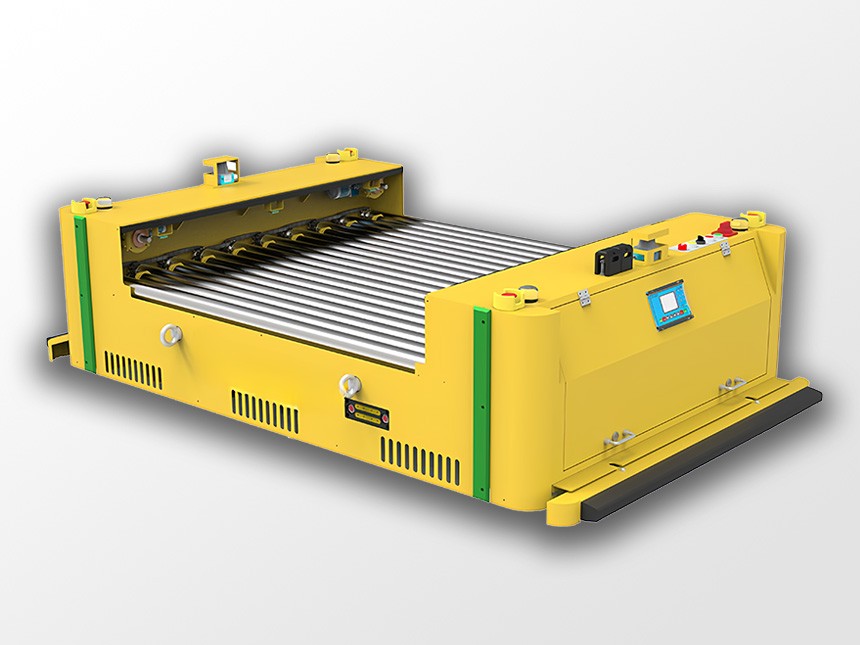
Choosing the wrong size electric flatbed cart is one of the most common — and costly — mistakes in material handling. Too small, and you overload the platform. Too large, and you're wasting floor space and maneuverability.
Here's the thing: size isn't just about length and width. It's about matching the cart to your actual loads, your aisle widths, and your workflow. Get this right, and everything runs smoother. Get it wrong, and you'll deal with safety issues and inefficiency every single day.
Start with your largest typical load. The platform should extend beyond the load edges by at least 100–150 mm on all sides. This prevents overhang-related tipping and gives operators a margin for placement error.
But don't just think about the maximum. If 80% of your loads are smaller, consider whether a modular platform or adjustable sizing makes sense. Some suppliers offer extension kits — worth asking about.
Bigger carts don't always mean higher capacity. A compact 2-ton cart can be more useful than an oversized 3-ton model if your workshop has tight turns. Match capacity to your heaviest regular load, not your occasional exception.
Generally speaking, standard platform sizes range from 1,200 × 800 mm for light loads up to 3,000 × 2,000 mm for heavy industrial applications. Know your range before talking to suppliers.
Low-profile carts work best in facilities with smooth floors and minimal obstacles. If your factory has rails, pits, or uneven surfaces, you'll need higher ground clearance — typically 150 mm or more.
Wheel placement affects stability. Four-wheel designs are standard, but six-wheel configurations distribute weight better for very long or irregular loads.
Measure your narrowest aisle. The cart's turning diameter should be at least 20% smaller than your aisle width to allow safe maneuvering. Remote-controlled carts offer better precision in tight spaces than manually pushed alternatives.
For example, a cart with a 2,000 mm turning radius needs aisles of at least 2,400 mm — and that's before you account for operator clearance and load overhang.
Don't forget vertical and horizontal clearance. A cart that fits your platform perfectly is useless if it can't pass through doorways or ride elevators. Check:
Where does the cart sit when not in use? Charging stations, maintenance bays, and parking areas all need adequate space. A cart that's too large for its designated parking spot becomes a daily obstacle.
These come up more often than you'd think:
Here's a straightforward approach:
Size selection for electric flatbed carts isn't guesswork. It's about matching real operational data to engineering specifications. Measure your loads, know your space, and size for your daily workflow — not your exceptions. The right cart fits your operation like it was built for it.