+86 183 3953 1958
中文
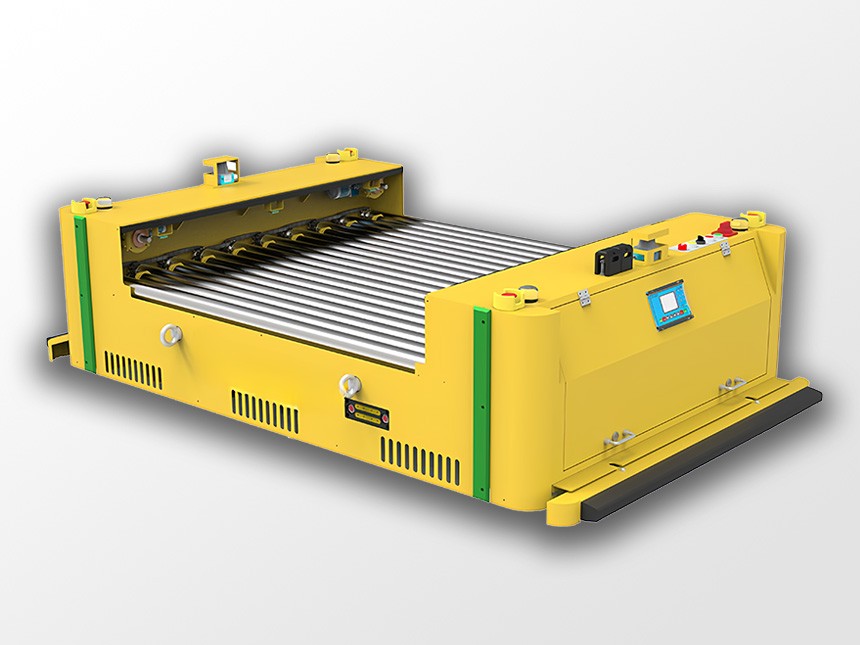
Paper mills operate in some of the most demanding industrial environments. High humidity, paper dust, continuous production schedules, and the need to handle massive paper rolls create unique material handling challenges. Traditional forklift-based transport struggles with these conditions — and that's where electric platform carts prove their value.
This article examines how electric platform carts solve specific operational problems in paper mills, from raw material intake to finished product warehouse management.
Paper rolls are deceptively difficult to transport. A single roll can weigh several tons, have uneven weight distribution, and be easily damaged by improper handling. Standard forklifts work, but they come with risks:
These challenges drive paper mills to seek safer, more reliable transport alternatives.
Electric platform carts address paper mill challenges through purpose-built design. Unlike generic industrial vehicles, these carts are engineered for the specific demands of paper handling.
Platforms feature V-shaped cradles or adjustable fixtures that secure paper rolls during transport. This prevents rolling, shifting, and edge damage. The low platform height makes loading easier and reduces drop risks.
Paper mill environments are tough on electronics. Quality electric platform carts use sealed motors, protected control systems, and corrosion-resistant frames. IP ratings matter here — equipment rated for dust and moisture ingress lasts longer and requires less maintenance.
Remote-controlled electric carts keep operators at a safe distance from heavy loads. This is especially valuable when moving rolls through narrow spaces or near running machinery. One operator can manage transport without needing a separate spotter.
Paper rolls shift easily under sudden movement. Electric carts with variable speed control and gradual braking prevent load shifting. This protects both the product and the equipment.
Deploying electric platform carts in a paper mill requires attention to several integration factors:
Paper mill floors are often concrete with expansion joints and occasional moisture. Electric carts with appropriate wheel materials (polyurethane or rubber) handle these conditions well. Route planning should minimize crossings over wet areas and ensure adequate turning radius at key points.
Opportunity charging during shift changes or breaks keeps carts operational around the clock. Battery systems should match the mill's operating schedule — lithium batteries offer faster charging and longer life in humid environments compared to lead-acid alternatives.
Remote control operation is straightforward, but operators still need training on load securing, speed limits in different zones, and emergency procedures. Most operators become proficient within a day or two.
Regular maintenance prevents downtime in continuous operations. Key items include wheel inspection, battery health checks, control system testing, and lubrication of moving parts. A simple preventive maintenance schedule — typically monthly — keeps carts reliable.
Paper mills that switch to electric platform carts report several measurable benefits:
Based on implementation experience, several best practices emerge:
Electric platform carts have earned their place in paper mill operations. They handle the industry's toughest material handling challenges — heavy rolls, humid environments, continuous schedules — with reliability that forklifts struggle to match.
For paper mill operators evaluating transport options, electric platform carts offer a proven solution. They're not the most technologically advanced option available, but they solve real problems effectively. And in an industry where uptime and safety matter more than innovation headlines, that's exactly what counts.