+86 183 3953 1958
中文
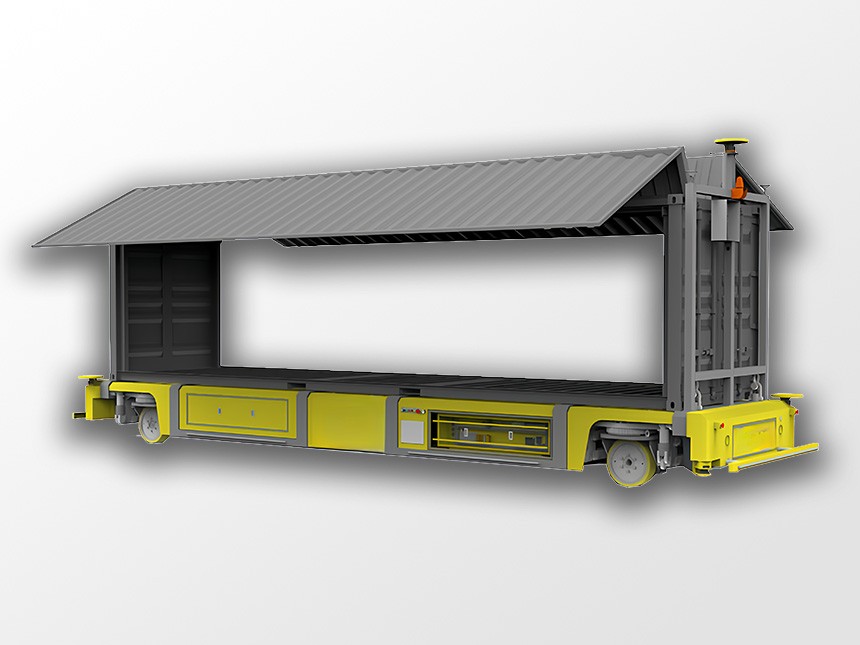
Industrial transfer carts are motorized or manually operated vehicles designed to move heavy loads across factory floors, warehouses, and production facilities. Unlike forklifts or overhead cranes, these carts offer a dedicated, ground-level transport solution that doesn't require elevated infrastructure or specialized operator certification in many regions.
They come in various configurations — rail-guided, rail-less, battery-powered, cable-powered, and remote-controlled. Each type serves specific operational needs, and choosing the right one can significantly impact your material handling efficiency.
These run on fixed tracks installed into or onto the floor. The rail system ensures precise positioning and straight-line travel, making them ideal for repetitive routes between fixed stations. They're common in assembly lines, steel mills, and heavy machinery plants where the transport path doesn't change.
The downside? You're locked into that route. If production layout changes, track modification costs add up fast.
These use rubber wheels and steer like conventional vehicles — no rails needed. They can navigate turns, switch directions, and adapt to changing floor layouts. Perfect for workshops with flexible production lines or where installing rails isn't practical.
They need more floor space for maneuvering and slightly more operator skill, but the flexibility usually pays off in dynamic environments.
The most common modern configuration. Battery-powered transfer carts run on rechargeable lead-acid or lithium battery packs, offering clean, quiet operation without cable drag. They're suitable for indoor facilities where emissions and noise are concerns.
Battery life and charging infrastructure need planning. Opportunity charging during breaks can extend operational windows without dedicated downtime.
These draw power through a trailing cable, usually via a cable reel system. They offer continuous operation without battery swaps or charging waits — good for high-frequency, short-distance cycles where the cable path can be managed safely.
Cable management is the main challenge. Poorly designed reel systems tangle, wear, and become maintenance headaches.
When evaluating transfer carts for your facility, focus on these factors:
Load capacity — Rated capacity should exceed your heaviest expected load by a safety margin. Dynamic loads (shifting weight during transport) need additional consideration.
Floor conditions — Rail-less carts need flat, solid surfaces. Even small cracks or debris can affect steering and wheel wear. Rail-guided systems are more forgiving but require precise track installation.
Travel distance and frequency — Long distances favor battery or rail-guided systems. High-frequency short cycles might suit cable-powered configurations.
Environment — High temperatures, dust, moisture, or chemical exposure require specialized cart designs, sealed components, and protective coatings.
Integration needs — Some carts offer PLC control, remote operation, or even basic automation integration. If you're connecting to a larger system, communication protocols matter.
Transfer carts show up across industries:
Steel and metal processing — Moving coils, ingots, and finished plates between rolling mills, cutting stations, and storage areas. Loads often exceed 20 tons.
Automotive manufacturing — Transporting engine blocks, chassis components, and subassemblies between welding, painting, and assembly stations. Precision positioning matters here.
Shipbuilding — Handling large hull sections and heavy equipment in yards where overhead crane coverage is limited.
Warehousing and logistics — Moving palletized goods, especially in facilities where forklifts create congestion or safety concerns.
Mold and die handling — Precision transport of heavy, expensive molds between storage and injection molding machines. Vibration control and smooth travel are critical.
Transfer carts are relatively simple machines, but neglecting maintenance leads to downtime exactly when you need them most.
Daily checks — Brake function, wheel condition, battery charge level (or cable integrity), and any unusual noise or vibration.
Periodic maintenance — Wheel bearing lubrication, drive system inspection, battery maintenance (water levels for lead-acid, charge cycle management for lithium), and control system testing.
Safety systems — Emergency stop buttons, collision avoidance sensors, warning lights and horns, and speed limiters in pedestrian areas. Rail-less carts should have dead-man switches or automatic braking when operators release controls.
Purchase price is just the starting point. Factor in:
Installation — Rail installation, floor preparation, charging station setup, or cable reel mounting.
Operating costs — Electricity, battery replacement, wheel wear, and routine maintenance labor.
Downtime costs — When a cart fails, production stops. Reliability and parts availability matter more than the initial invoice.
Operator training — Remote-controlled and rail-less carts need more training than simple rail-guided units.
Industrial transfer carts aren't flashy technology, but they're workhorses that keep production moving. The key is matching the cart type to your actual operational needs — not overspecifying for features you'll never use, and not underspecifying for loads and conditions that'll wear out the machine prematurely.
Start with your heaviest load, longest route, and most challenging environmental factor. Build from there. The right transfer cart will run for years with minimal fuss. The wrong one becomes a maintenance project you didn't sign up for.