+86 183 3953 1958
中文
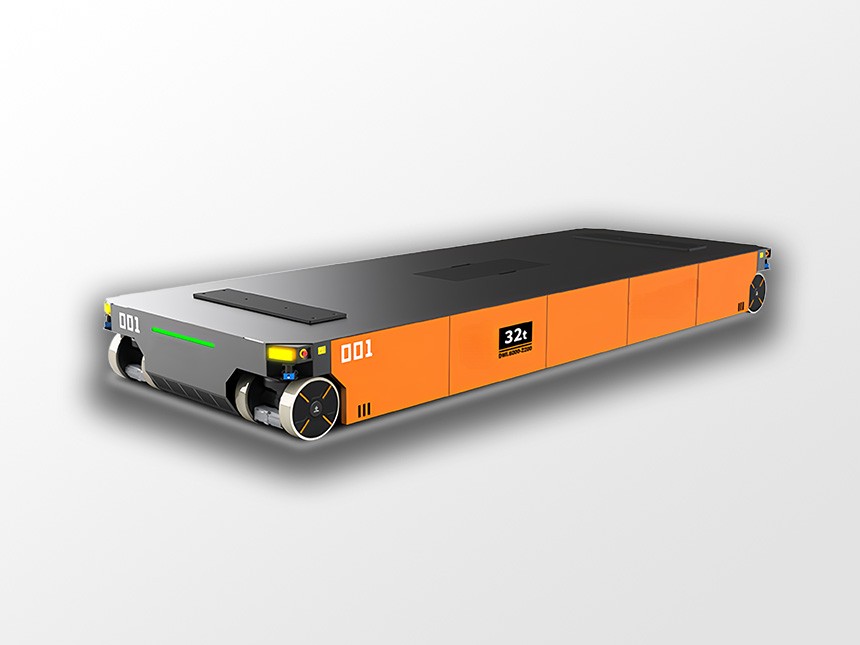
Designing an electric transfer cart looks simple on paper: a deck, some wheels, a motor, and a battery. In practice, the difference between a cart that serves reliably for a decade and one that generates constant maintenance headaches comes down to a handful of design decisions made before the first weld is laid. This guide covers the most impactful design considerations for industrial electric transfer carts—the ones experienced engineers revisit on every project.
The deck is where theory meets reality. Every design decision here compounds through the cart's operating life.
Checker plate (diamond plate) steel is the default choice for general-purpose carts. It provides slip resistance and durability at low cost. However, for loads requiring precise positioning—such as die sets that must align with press beds—a machined flat surface eliminates the uneven contact points that checker plate creates. For food-grade or pharmaceutical applications, stainless steel decks with sanitary welds and no crevices for contaminant accumulation are mandatory.
Deck height should match your loading and unloading method. Carts loaded by overhead crane can have decks at any height. Carts loaded from roller conveyors need precise height alignment with the conveyor surface. Carts loaded by forklift need enough clearance above the wheels for fork entry. The lowest practical deck height also improves stability—every centimeter of height reduction lowers the cart's center of gravity.
If your cart always carries the same product type, integrate fixtures into the deck. V-supports for cylindrical loads, locating pins for die sets, roller tops for easy manual positioning—these cost little at the design stage but save minutes per load cycle in operation. For variable loads, design tie-down points (D-rings or stake pockets) at regular intervals around the deck perimeter.
Wheels are the cart's only contact point with the floor. The right choice extends floor life; the wrong choice destroys it.
Polyurethane wheels offer the best balance of floor protection, noise reduction, and load capacity for indoor use. Hardness ranges from 80A (soft, maximum floor protection) to 95A (hard, maximum capacity). For rough or abrasive concrete, specify solid rubber wheels or polyurethane with a higher durometer. For foundries, steel mills, or facilities with hot floor surfaces, cast iron or forged steel wheels with hardened treads are the only viable options.
Four-wheel configurations (two drive, two caster) are standard for loads under 15 tons. For heavier loads, six- or eight-wheel configurations with articulated axles distribute weight and maintain all-wheel contact on uneven floors. Powered bogie systems with multiple driven axles handle loads over 100 tons. The rule of thumb: each wheel should carry no more than 25–30% of its rated capacity under maximum load to account for dynamic forces and floor irregularities.
Undersized motors burn out. Oversized motors waste battery capacity and add unnecessary cost and weight.
Motor selection depends on four variables your supplier needs to know: total loaded weight, maximum grade on any route (even a 1-meter ramp), desired travel speed, and wheel diameter. Grade is the most commonly overlooked factor—a 3% grade requires approximately 50% more motor torque than level travel. For facilities with ramps between buildings or dock levelers, specify the maximum grade rather than the average.
Motors sized for intermittent use fail when operated continuously. If your cart runs more than 50% of each shift, specify continuous-duty motors with thermal protection or forced-air cooling. Motors with Class F or H insulation handle higher operating temperatures and are standard for heavy-duty applications.
The battery decision shapes everything about daily cart operation.
Calculate required capacity as: (round trips per shift × trip distance × loaded energy consumption) + (unloaded return energy consumption) + 20% reserve. Energy consumption varies dramatically with load weight and floor condition—clean epoxy floors require 30–40% less energy than rough concrete. On-site measurement with your actual loads provides the most accurate baseline.
Lead-acid batteries need dedicated charging rooms with ventilation, spill containment, and eyewash stations. Lithium batteries charge at the point of use from standard outlets, eliminating the charging room requirement. If your facility lacks space for a charging room, lithium batteries effectively pay for themselves through eliminated infrastructure.
Lead-acid operation typically involves battery swaps—a charged battery replaces a depleted one, requiring overhead lifting equipment and trained personnel. Lithium opportunity charging eliminates swaps: plug in during breaks and lunch, maintain 30–80% state of charge, and the battery lasts years without removal from the cart. The operational simplicity of opportunity charging is lithium's most underrated advantage.
The frame beneath the deck isn't visible during operation, but its design determines everything about capacity, durability, and serviceability.
A box-section frame with internal cross-bracing distributes loads better than I-beam construction at the same weight. Finite element analysis should verify that maximum deflection under full load stays below span/800—visible sagging during operation indicates an underbuilt frame that will develop fatigue cracks over time.
Design removable access panels for battery terminals, motor connections, and controller diagnostics. Sealed compartments that require disassembly for basic inspection turn a 15-minute maintenance check into a 2-hour task. For outdoor or washdown applications, access panels with continuous gaskets maintain enclosure ratings while allowing service access.
Standard industrial carts receive a primer-plus-enamel paint system. For chemical plants, food processing, or marine environments, specify hot-dip galvanizing or stainless steel construction for the frame, fasteners, and exposed hardware. The cost differential (20–40%) is recovered the first time a standard cart's rusted frame requires replacement.
Good electric transfer cart design isn't about loading up on features. It's about five decisions made right: deck surface matches the load, wheels match the floor, motor sizing accounts for actual grades, battery chemistry matches the duty cycle, and the frame is accessible for maintenance. Dial in those five details, and the rest of the design falls into place around them.