+86 183 3953 1958
中文
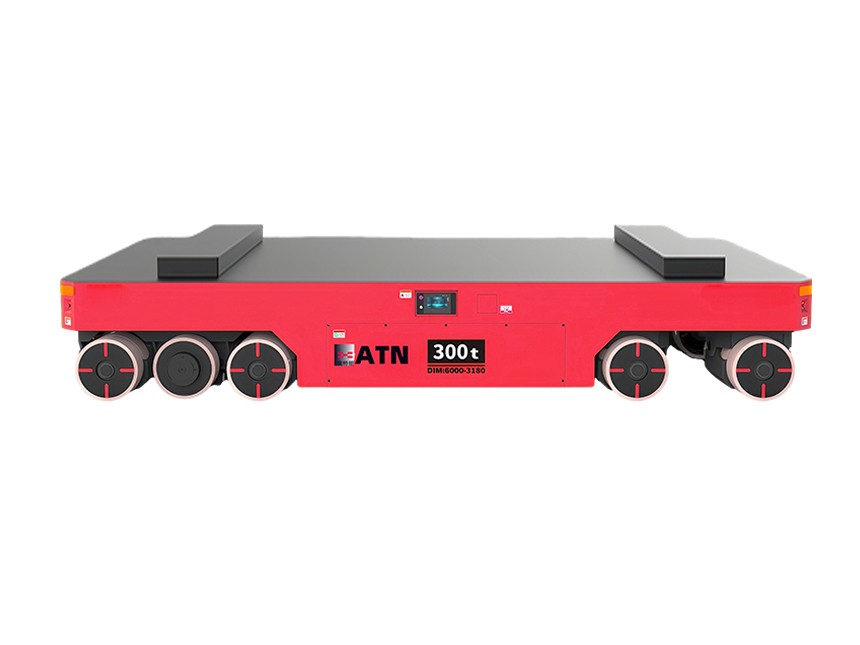
Choosing a heavy load transport equipment supplier is one of those decisions that appears to be purely transactional—a purchase is made, a price is paid, the equipment is delivered—but actually has consequences that extend far beyond the immediate transaction. The supplier's engineering capability affects whether the equipment you receive actually meets your application requirements or merely matches the specifications in the datasheet. The supplier's manufacturing quality affects whether the equipment arrives in working condition and continues to work over its expected life. The supplier's service capability affects how quickly you recover from equipment failures. And the supplier's long-term financial stability affects whether they will still be providing support when your equipment is 10 years old and needs significant service. A good supplier relationship is a strategic asset; a bad supplier relationship is a liability that compounds over time.
The market for heavy load transport equipment includes a wide range of suppliers, from small specialized manufacturers who produce a few dozen carts per year to large industrial equipment companies that produce thousands of units and offer full-service engineering, installation, and after-market support. The differences between suppliers at different points in this range are not primarily in the quality of the equipment they produce—many small manufacturers produce equipment that is equal or superior to large manufacturers in specific applications—but in the scope of services they can provide and the depth of engineering support they can offer for complex applications.
The supplier selection criteria that matter most depend on the complexity of your application. For straightforward applications—standard load weights, standard routes, standard operating conditions—a supplier with a good reputation for quality manufacturing and basic service support may be adequate. For complex applications—non-standard load characteristics, unusual environmental conditions, integration requirements with existing systems—the engineering capability of the supplier becomes the primary selection criterion. A supplier who cannot provide detailed engineering analysis of your application, who cannot show evidence of similar applications successfully implemented, and who cannot explain how their equipment will perform in your specific conditions is not a viable supplier for a complex application regardless of how attractive their pricing may be.
The engineering capability of a heavy load transport equipment supplier is revealed not by their sales engineer's answers to your questions but by the questions they ask you. A supplier who responds to an inquiry with detailed questions about your application—load characteristics, route conditions, environmental factors, integration requirements, performance expectations—demonstrates engineering engagement. A supplier who responds to an inquiry with a standard datasheet and a price quote is selling a product, not solving a problem, and their equipment may or may not solve your problem effectively.
The specific questions to ask during supplier evaluation include: How do you determine the appropriate motor power for this application? What factors in our application might cause the equipment to operate at the edge of its specification? What happens to the equipment's performance as the battery ages over the first three years of operation? How do you design for the specific environmental conditions at our facility? What is your process for integrating with our production scheduling system? Suppliers who cannot answer these questions with specificity—who give generic answers that could apply to any application—are not providing engineering support; they are providing sales support, and the two are not the same.
The total cost of ownership of heavy load transport equipment is dominated not by the acquisition cost but by the operating and maintenance costs over the equipment's life. A cart that costs 20% less to acquire but requires 50% more maintenance, has twice the downtime, and must be replaced five years earlier than a higher-quality alternative is far more expensive over its life. The supplier's service capability—their ability to diagnose and repair equipment failures quickly, to provide technical support when problems occur, and to supply spare parts over the equipment's full life—is a critical determinant of total cost of ownership.
Evaluating service capability requires understanding the supplier's service organization: Where is the nearest service engineer located? What is their mean time to response for emergency service calls? Do they have spare parts available locally or must parts be shipped from the manufacturer? What is their typical mean time to repair for the most common failure modes? Do they offer preventive maintenance contracts that reduce the probability of failures? What is their process for handling failures that require engineering involvement—the equipment has a problem that service technicians cannot resolve? Suppliers who cannot answer these questions with specific commitments are not providing service; they are providing hope, and hope is not a service contract.
A total cost of ownership (TCO) analysis provides the most rigorous framework for comparing heavy load transport equipment suppliers. The TCO framework includes acquisition cost, installation and commissioning cost, operating cost (energy, labor for operation, consumables), maintenance cost (scheduled maintenance, unscheduled repairs, spare parts), downtime cost (the cost of not having the equipment available when needed), and end-of-life cost (decommissioning, disposal, replacement timing). Each of these cost components should be estimated based on realistic assumptions about the specific application—not on vendor-supplied specifications that may not reflect real-world performance.
The most significant source of error in TCO analysis is underestimating the downtime cost. Downtime cost is typically calculated as the cost of production lost during the period when the equipment is unavailable. For a heavy load transport cart that is part of a production line, downtime cost can be very high: if the cart moves materials between operations and is down for a day, entire production stations may be idle. A supplier with a higher acquisition cost but a lower failure rate and faster repair time may have a significantly lower TCO than a supplier with lower acquisition cost but higher downtime risk. The TCO framework forces this comparison to be explicit, which is why it produces better supplier selection decisions than any other evaluation method.