+86 183 3953 1958
中文
Most plant managers can tell you exactly what they spend on forklifts, pallet jacks, and manual labor for material handling. It is in the budget, tracked monthly, reviewed quarterly. But the real cost of manual material handling? That is usually buried in line items nobody connects to transport operations.
Here is the thing — the visible costs are just the tip of the iceberg. Underneath, there is a whole layer of expenses that drain profitability without ever showing up as material handling on a spreadsheet. Let us look at what actually costs you money.
Manual material handling is one of the leading causes of workplace injuries. Back strains, shoulder injuries, and repetitive stress disorders do not just hurt your workers — they hit your bottom line hard. Direct costs include medical expenses, workers compensation premiums, and temporary staffing to cover injured employees.
But that is only half the story. Indirect costs — retraining replacements, reduced team morale, accident investigations, and administrative time — typically run 3–5x the direct medical costs. A single back injury claim can easily cost $50,000–$100,000 when you factor in everything.
Humans drop things. They bump loads into door frames, overload pallets, and handle products inconsistently. In manufacturing, a damaged component often means scrapping an entire assembly. In warehousing, it means returns, replacements, and unhappy customers.
Industry data suggests product damage rates of 1–3% for manual handling operations. Does not sound like much? Multiply that by your annual throughput value. A facility moving $10 million in product annually is losing $100,000–$300,000 to damage that better handling equipment could prevent.
Humans walk at about 1.2 m/s carrying loads. They need breaks. They work slower at the end of a shift. They cannot operate continuously for 24 hours. These limitations create hard ceilings on throughput that most operations never fully analyze.
I have seen assembly lines waiting 10–15 minutes for material delivery because the manual transport team was behind. When that happens 10 times per shift, you are losing over 2 hours of production time daily. At a typical line rate, that is thousands of dollars in lost output — every single day.
Manual material handling jobs are physically demanding, repetitive, and often low-paying. Turnover rates in these roles frequently exceed 50% annually. Each departure triggers recruitment costs, onboarding time, and productivity loss while new hires get up to speed.
Calculate it: a $15/hour material handler leaves. Replacement cost (recruiting, interviews, background checks, onboarding, initial training) typically runs 50–100% of annual salary. At $31,200/year base pay, that is $15,000–$30,000 per departure. With 20 handlers and 50% turnover, you are spending $150,000–$300,000 annually just on replacing people who do not want to do the job anymore.
Manual operations need wider aisles, more staging areas, and buffer zones for human movement. Automated or mechanized systems can operate in narrower spaces with tighter turning radii. In facilities where floor space costs $50–$200 per square meter annually, inefficient layout translates directly to wasted rent or missed expansion opportunities.
Manual teams need supervisors, schedulers, and coordinators. They need shift planning, attendance tracking, and performance management. Every hour your management team spends on material handling labor issues is an hour not spent on process improvement, quality control, or customer relationships.
Here is a number that surprises most operations managers: manual material handling typically operates at 60–70% of theoretical capacity when you account for breaks, fatigue, distractions, and coordination delays. Electric carts and automated systems operate at 85–95% capacity with consistent performance across shifts.
That 20–30% productivity gap is not about working harder — it is about working smarter. And it is not just throughput. Consistent, predictable transport timing improves upstream and downstream process efficiency. When your assembly line knows exactly when parts arrive, they can optimize their own workflow instead of building in buffers for uncertainty.
Want to know what manual handling really costs you? Add these up:
Direct labor costs (wages, benefits, overtime)
Workers compensation and injury costs
Product damage and replacement costs
Quality control and inspection costs
Management and supervision overhead
Space inefficiency costs
Turnover and training costs
Lost production from transport delays
Most operations find their true material handling cost is 40–60% higher than their budget line item suggests. Sometimes it is double.
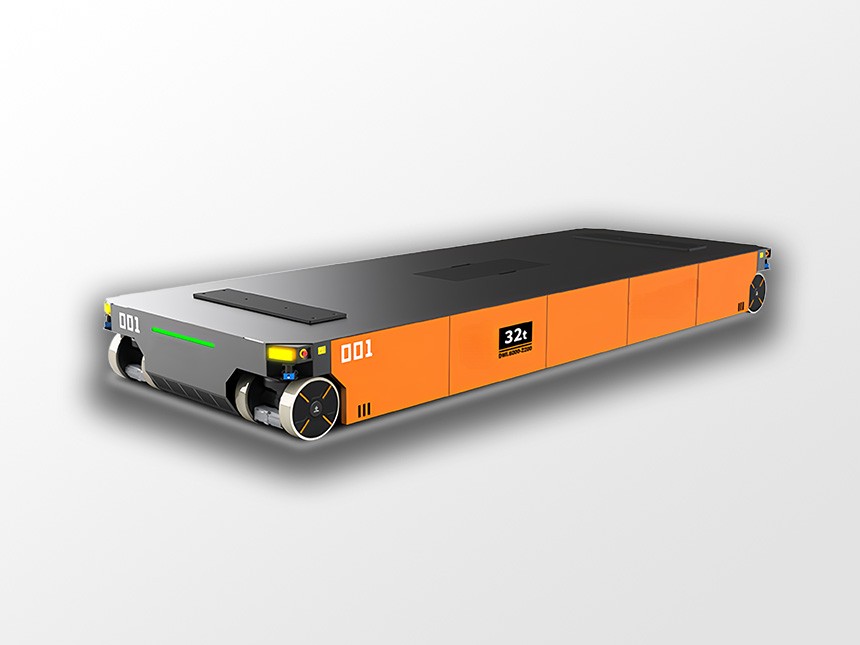
The solution is not necessarily full automation. For many operations, electric transfer carts provide a middle ground — mechanizing the transport while keeping human oversight for complex tasks.
Electric carts eliminate the physical strain of manual movement, reduce product damage through consistent handling, and operate at predictable speeds that smooth out production flow. They are typically cost-effective for facilities moving 500+ kg loads over distances exceeding 50 meters.
The key is starting with a clear cost analysis. Map your current expenses — all of them, not just the obvious ones. Then evaluate mechanized or automated alternatives based on total cost of ownership, not just purchase price. The business case usually writes itself once you have the full picture.
Manual material handling looks cheap on paper. In reality, it is one of the most expensive ways to move materials through your facility — you just do not see most of the costs because they are distributed across departments and budget categories.
Smart operations managers look beyond the obvious. They track injury costs, damage rates, and productivity gaps. They calculate the true cost of their current approach. And when they do, the case for mechanization becomes clear.