+86 183 3953 1958
中文
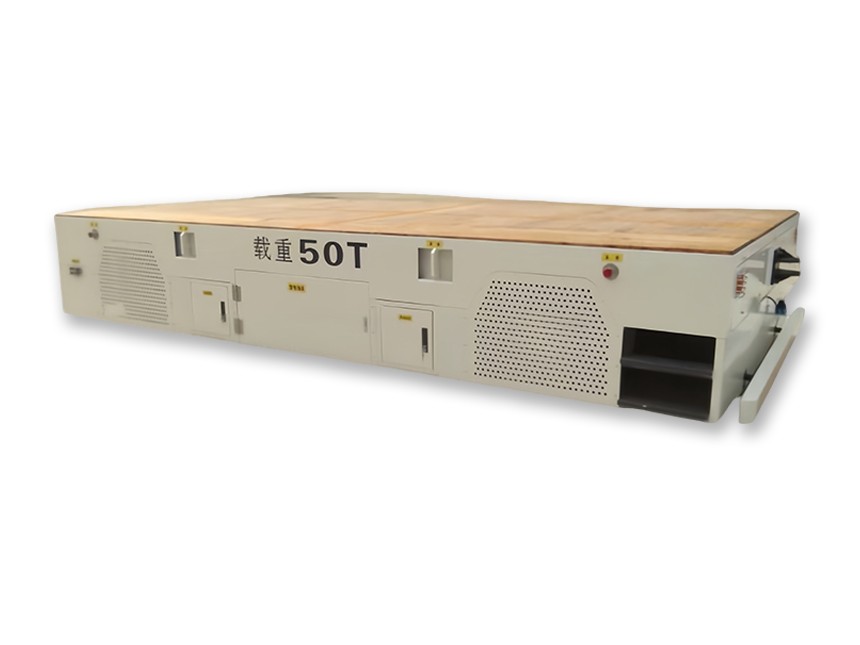
Modern manufacturing workshops face mounting pressure to move materials faster, safer, and more cost-effectively. As production lines become more complex and lot sizes shrink, traditional manual or conveyor-based material transport often creates bottlenecks. Electric transfer carts—automated guided vehicles (AGVs) designed for horizontal material movement—are increasingly becoming the solution of choice for workshop managers seeking to streamline operations without major infrastructure overhauls.
Many workshops rely on manual pushing, pulling, or forklift transport to move raw materials, work-in-progress (WIP) components, and finished goods between workstations. This approach introduces several persistent pain points: frequent material handling errors, injury risks from manual cart operations, limited scheduling flexibility, and high labor costs tied to repetitive transport tasks. As production volumes fluctuate, these issues compound, leading to unpredictable throughput and increased operational stress on staff.
Electric transfer carts offer a targeted answer to workshop material flow challenges. Unlike fixed conveyor systems, these AGVs operate on flexible routes and can be programmed to run on demand or on scheduled intervals. Equipped with precision drive systems, contactors, and remote or automated controls, they can navigate predefined paths autonomously, stopping precisely at loading and unloading stations. Their battery-powered design eliminates the need for continuous power rails or cables, and their compact footprint allows them to operate in spaces too tight for forklifts.
Deploying an electric transfer cart in a workshop environment typically follows a structured approach:
Facilities that have introduced electric transfer carts report significant operational gains. Common outcomes include a 30–50% reduction in material handling cycle time, 20–40% labor cost savings on transport tasks, and near-elimination of handling damage caused by improper forklift operation. In assembly workshops with multiple production cells, electric carts have cut inter-cell delivery time from an average of 15 minutes to under 5 minutes, directly improving overall line efficiency.
Electric transfer carts are not a one-size-fits-all solution—they work best in workshops with defined but variable transport routes, moderate to high transport frequency, and a need for flexibility as production schedules change. They are particularly effective in environments where floor space is at a premium, where safety regulations restrict manual cart operation, or where integration with MES/SCADA systems is required. Before implementation, a thorough workflow audit is essential to size the cart correctly and ensure route feasibility.
For workshop operators looking to improve material flow without committing to large-scale conveyor infrastructure, electric transfer carts present a scalable, cost-effective alternative. Their plug-and-play integration, programmable flexibility, and measurable productivity gains make them a practical upgrade for workshops across manufacturing, assembly, and logistics sectors. As AGV technology continues to advance—including tighter integration with digital twins and AI-based scheduling—these carts will become an even more integral part of smart workshop ecosystems.