+86 183 3953 1958
中文
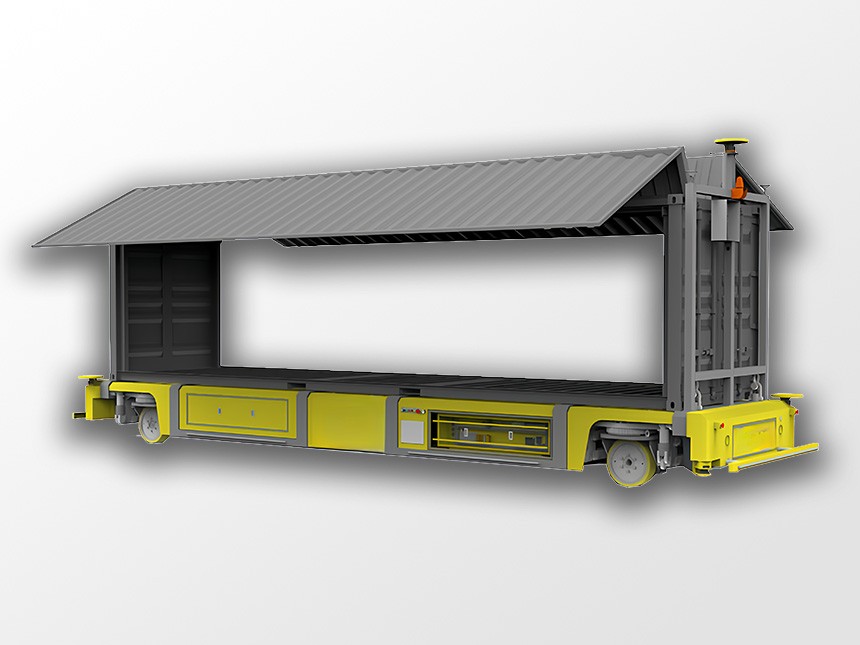
With the global push toward automated manufacturing and logistics, electric transfer carts are becoming indispensable in factories, warehouses, and production facilities. But as these vehicles move heavier loads at higher speeds through increasingly complex environments, safety is no longer optional—it's the baseline requirement. Choosing an electric transfer cart with robust safety features protects your operators, protects your investment, and keeps operations compliant with evolving workplace safety regulations.
Yet selecting the right safety configuration isn't straightforward. Carts designed for cleanroom environments have different priorities than those operating near human workers on busy production floors. The question isn't whether to prioritize safety—it's which features deliver the best return for your specific application.
Every electric transfer cart should be equipped with a responsive emergency stop mechanism that immediately cuts power to the drive system. Look for systems that comply with ISO 13849 performance level requirements, which define the reliability standards safety functions must meet.
High-quality emergency stops feature mushroom-head buttons positioned within easy reach from the operator's standard working position—typically on the cart's front panel and remote pendant. Response time matters: a well-designed system halts the cart within 0.5 seconds of activation. For carts operating in areas with personnel, consider models offering both local and remote emergency stop capabilities, enabling shutdown from a central control station.
Beyond the button itself, evaluate the stopping method. Friction-based braking is common in budget models, but electromagnetic braking delivers faster, more consistent stops—critical in high-traffic environments. Some premium systems combine regenerative braking with fail-safe magnetic brakes for redundancy.
Modern electric transfer carts increasingly rely on multi-layered collision detection to prevent accidents before they happen. These systems typically combine several technologies:
The most reliable systems use sensor fusion—combining two or more detection technologies to eliminate blind spots and reduce false positives. When evaluating collision avoidance, ask vendors for documented detection zone specifications and false-trigger rates in environments similar to yours.
An electric transfer cart that tips over or loses its load is a catastrophic safety failure. Load security features prevent two distinct risks: load shift during transit and cart instability under peak capacity conditions.
For load shift prevention: Look for carts with adjustable side rails, anti-slip deck surfaces (rubberized or knurled coatings), and securing mechanisms such as spring-loaded clamps or tie-down anchor points. If your application involves sensitive or irregularly shaped loads, some manufacturers offer custom fixture options.
For stability: Check the cart's wheelbase dimensions and center of gravity ratings. Carts operating on uneven floors or over ramps require wider wheelbases and lower deck heights to resist tipping. Some manufacturers publish dynamic and static stability angles—aim for a minimum 15° dynamic stability rating.
Overload protection is equally critical. Integrated load monitoring systems automatically prevent operation when capacity is exceeded, protecting both the cart's drivetrain and preventing dangerous unstable conditions. Weight sensors built into the deck provide real-time feedback to the control system.
Facilities where AGVs operate alongside human workers need intelligent speed management. Modern electric transfer carts use personnel detection to dynamically adjust their speed based on proximity to people.
Zone-based speed control is the standard approach: the cart operates at full speed in open areas, then automatically reduces to a safer speed (typically 0.3–0.5 m/s) when entering pedestrian zones. Some advanced systems enable variable speed profiling based on floor markings, magnetic strips, or real-time positioning data from warehouse management systems.
Sound and visual alerts complement autonomous speed governance. Effective alerting includes directional warning sounds (beeps that change pitch or pattern based on travel direction) and high-visibility LED lighting—amber strobes for general operation, red flashing for fault conditions. In loud manufacturing environments, supplementary visual alerts become essential.
Electric transfer carts powered by battery systems introduce specific electrical and fire safety considerations. Lithium-ion batteries offer excellent energy density but require careful management to prevent thermal runaway events.
Quality safety features include:
The most effective safety configurations treat the electric transfer cart as part of your facility's broader safety ecosystem. Modern carts support integration through standard industrial communication protocols—CAN bus, PROFINET, EtherNet/IP, and Modbus allow carts to exchange status data with central control systems and emergency shutdown networks.
This integration enables coordinated emergency responses: when a facility fire alarm triggers, automated guided carts can execute pre-programmed shutdown or safe-park procedures without manual intervention. Similarly, integration with access control systems can prevent carts from entering zones under maintenance lockout.
When evaluating integration capabilities, confirm that safety-relevant signals use dedicated, fail-safe communication paths rather than sharing bandwidth with general operational data.
Safety feature priorities vary significantly by application environment:
Safety features in electric transfer carts have evolved far beyond basic emergency stops. Today's systems combine sensor fusion, intelligent speed governance, and facility integration to create multi-layered protection that adapts to real-world operational conditions. The right configuration for your facility depends on your load requirements, pedestrian exposure, environmental conditions, and regulatory environment.
Invest the time to specify safety features during the selection phase—retrofits are expensive, and an incomplete safety configuration can result in costly incidents, regulatory penalties, and operational downtime. When evaluating vendors, request documented performance data for their safety systems, and ask to see real-world examples from facilities similar to yours.