+86 183 3953 1958
中文
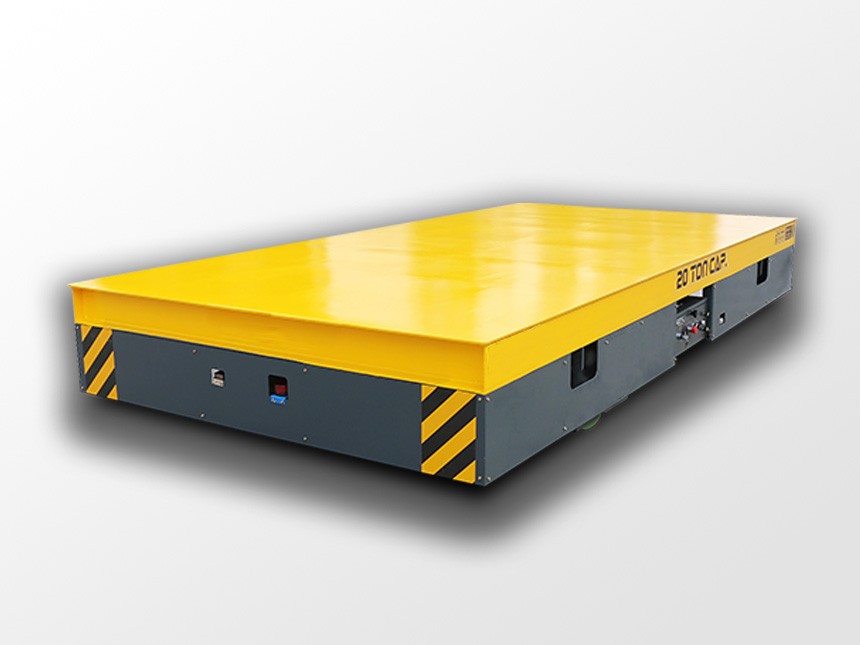
Electric flatbed cart maintenance is often presented by equipment vendors as a simple, routine activity—check the battery, inflate the tires, look it over before each shift. This presentation is misleading. While electric flatbed cart maintenance is less complex than the maintenance of internal combustion equipment, it requires systematic attention to several subsystems that, if neglected, will cause the cart to fail prematurely or behave unsafely. The difference between a cart that performs reliably for 10 years and one that starts experiencing problems after 3 years is almost always the quality and consistency of the maintenance program, not the quality of the original equipment.
The battery is the most critical and most commonly neglected component in electric flatbed cart maintenance. Battery performance degrades over time and with use, and the rate of degradation depends on how the battery is charged, how deeply it is discharged between charges, and the temperature conditions in which it operates. A battery that is consistently discharged to very low levels will fail faster than a battery that is kept between 20% and 80% of capacity. A battery that is charged with an incorrect charging profile will fail faster than a battery that is charged according to the manufacturer's specification. A battery that operates in very high or very low temperatures will fail faster than a battery that operates in moderate temperatures.
The most important maintenance practice for lead-acid batteries is regular watering. Lead-acid batteries lose water during the charging cycle through evaporation and electrolysis, and the water level must be checked and topped up with distilled water on a regular schedule—typically every 5-10 charge cycles depending on the charging current and the battery design. Neglecting watering causes the battery plates to become exposed, which causes irreversible damage that reduces battery capacity and eventually causes the battery to fail. This is the most common cause of premature lead-acid battery failure, and it is almost entirely preventable with a consistent watering practice.
Lithium-ion batteries require less active maintenance than lead-acid, but they are not maintenance-free. The battery management system (BMS)—the electronic controller that monitors and manages the battery—should be checked periodically to ensure it is functioning correctly. The BMS is responsible for preventing overcharging, preventing over-discharge, balancing cell voltages, and shutting down the battery if dangerous conditions are detected. A BMS that is not functioning correctly can allow the battery to operate in conditions that cause accelerated degradation or, in extreme cases, create safety hazards.
The electrical connections in an electric flatbed cart—the wiring, connectors, contactors, and motor brushes—are subject to wear, corrosion, and loosening over time. Vibration from cart operation causes fasteners and connectors to loosen; moisture and contamination cause corrosion on electrical contacts; dust and debris accumulate on insulators and reduce their effectiveness. These issues develop gradually, and they often produce intermittent symptoms—intermittent power loss, erratic motor behavior, unexpected shutdowns—that are difficult to diagnose unless the electrical system is inspected systematically.
A proper electrical maintenance program includes periodic inspection and cleaning of all electrical connections. Loose connections should be tightened to specification; corroded contacts should be cleaned or replaced; worn wiring should be replaced before it fails. Motor brushes—the components that transfer electrical current to the motor armature—wear down over time and must be replaced when they reach their minimum specified length. Continuing to operate with worn brushes causes motor damage that is far more expensive to repair than the cost of replacing the brushes proactively.
The mechanical components of an electric flatbed cart—the wheels, brakes, steering system, and structural frame—are subject to wear from normal operation. Wheel bearings wear over time and generate more rolling resistance as they degrade, which increases energy consumption and reduces battery range. Worn brake components reduce braking effectiveness and create safety risks. Steering components loosen and develop play that makes the cart difficult to control precisely and accelerates tire wear.
The wheel system deserves particular attention because it is both critical for safe operation and frequently neglected. Wheel bearings should be inspected and repacked with grease periodically, typically annually for carts operating in clean indoor environments and more frequently for carts in dusty or dirty environments. Wheel flanges—the raised edges that keep the cart on its track, for tracked carts—wear down over time and should be inspected periodically to ensure they are still providing adequate lateral guidance. Drive wheel tires—rubber or polyurethane tires that contact the floor—wear from normal use and from contact with debris, and they should be replaced when the tread depth falls below the level required for safe operation, particularly in wet conditions where tread depth directly affects traction.
The maintenance schedule that works in theory but is ignored in practice is useless. The maintenance program that actually keeps equipment running reliably is the one that is integrated into the facility's operational routine—scheduled at times when the cart is not needed, assigned to specific people who are accountable for completing it, and tracked so that completion is visible to management. A maintenance program that is purely reactive—fixing things when they break—is more expensive in the long run than a proactive program, but the reactive program is easier to maintain in the short run because it requires no advance planning.
The practical approach is to start with a minimal maintenance schedule—daily visual inspection, weekly battery check, monthly mechanical inspection—and add complexity only when the basic program is working consistently. Over time, as the maintenance routine becomes embedded in the facility's operations, the schedule can be expanded to include more detailed preventive maintenance tasks. The goal is not to implement the perfect maintenance program immediately, but to implement a maintenance program that is better than doing nothing, and to improve it gradually as the organization develops the habit and the systems to support it.