+86 183 3953 1958
中文
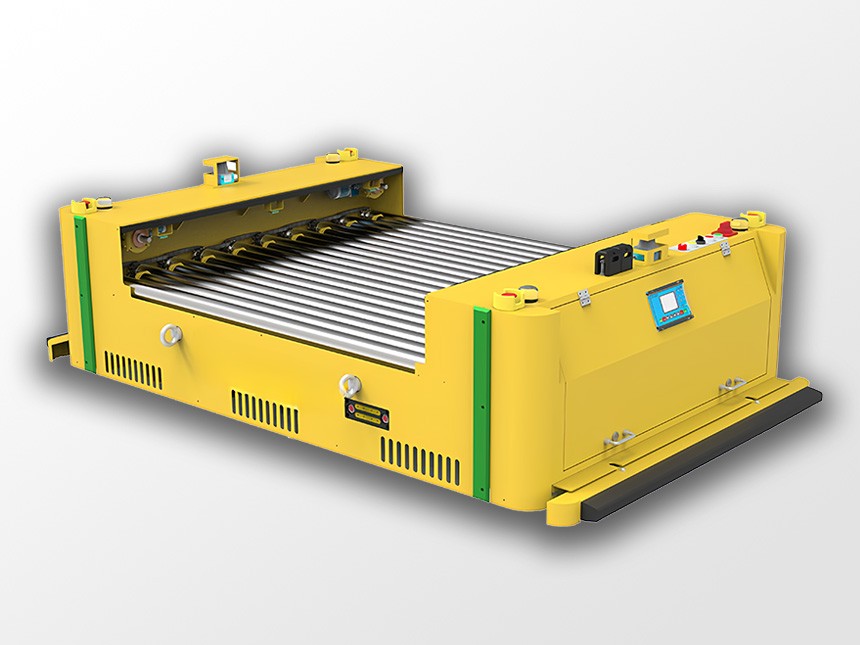
Walk through any modern manufacturing plant and you'll notice something: the equipment moving materials around is getting smarter, cleaner, and more connected. It's not just about moving loads from point A to point B anymore. The material handling industry is evolving fast, and the trends driving that change are worth paying attention to.
Let's look at what's actually happening — not the marketing fluff, but the real shifts affecting how factories move heavy stuff.
Diesel and gas-powered internal transport is being phased out in more facilities than ever. Electric transfer carts, platform trucks, and AGVs are becoming the default. The reasons are straightforward: lower operating costs, zero emissions at the point of use, and simpler maintenance.
What's changed recently is battery technology. Lithium iron phosphate (LiFePO4) batteries are dropping in price while improving in cycle life. A cart that used to need lead-acid replacements every 2–3 years now runs 5–7 years on lithium. That's a real operational saving, not just a green checkbox.
Remote-controlled transfer carts have been around for years, but the integration depth is new. Modern carts communicate with production systems, warehouse management software, and even ERP platforms. It's not full AGV autonomy — it's smart semi-automation that fits between manual labor and expensive fully automated systems.
For many mid-sized factories, this is the sweet spot. You get precise positioning, programmable routes, and safety interlocks without the six-figure price tag of a full AGV fleet.
One-size-fits-all is dead. Buyers want carts that match their exact workflow: V-decks for coils, flatbeds for pallets, lifting decks for assembly lines. Manufacturers are responding with modular frame designs that adapt without requiring ground-up engineering for every order.
This modularity also helps with maintenance. Swap a motor module, replace a wheel assembly, upgrade the battery pack — all without scrapping the whole cart.
Electric carts used to top out around 20–30 tons. Now 50-ton, 100-ton, and even 200-ton units are commercially available. Industries like steel, shipbuilding, and heavy machinery are adopting electric transport for loads that once required dedicated rail systems or overhead cranes.
The engineering challenge isn't just the motor — it's the frame, the wheel load distribution, and the braking system. Suppliers who've solved these problems are seeing demand surge.
CE marking, ISO compliance, and regional safety certifications are becoming non-negotiable. Buyers in Europe, North America, and Southeast Asia all have specific requirements. Manufacturers who invested in certified designs early are winning contracts. Those who didn't are scrambling to catch up.
Emergency stop systems, collision avoidance, and audible warnings are baseline now. The next frontier is predictive safety — using operational data to identify risky patterns before an incident happens.
Post-2020, everyone learned the hard way about long supply chains. More buyers are asking: where is this built? Can you support it locally? Manufacturers with regional service networks and shorter shipping distances have a clear advantage.
This isn't just about patriotism or risk management. Local support means faster spare parts, accessible technicians, and someone who understands your regulatory environment.
The material handling equipment market in 2025 is defined by electrification, smarter integration, heavier capacities, and tighter safety requirements. Buyers who understand these trends make better procurement decisions. Suppliers who align with them win more business. Simple as that.