+86 183 3953 1958
中文
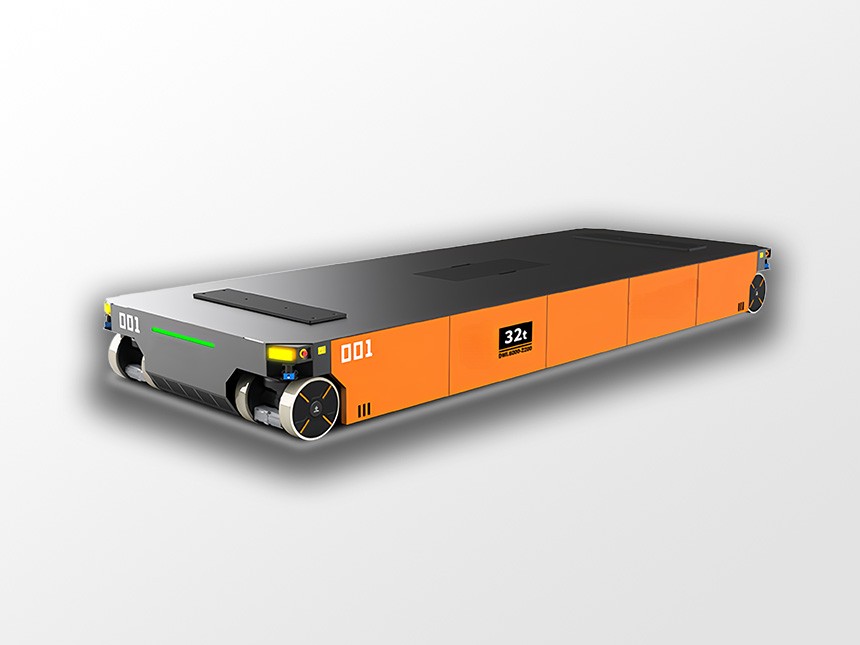
Industrial transport—the movement of heavy materials and equipment within manufacturing and logistics facilities—presents inherent hazards that cannot be eliminated, only managed. Heavy loads can crush, mobile equipment can collide, and electrical systems can shock or ignite. The difference between a safe transport operation and a dangerous one is not the absence of hazards but the presence of systematic management practices that keep hazards controlled. Understanding what those practices are, and why they work, helps facility managers build transport safety programs that actually prevent incidents rather than merely documenting them.
Every effective transport safety program starts with a thorough risk assessment that identifies what can go wrong, how likely each failure scenario is, and what consequences would result. Risk assessment for industrial transport examines the transport equipment, the facilities where it operates, the materials being transported, and the personnel exposed to transport operations. Each element contributes hazards that combine in ways that are specific to each facility's layout, equipment mix, and operational patterns.
Generic transport safety guidelines—based on general industry standards without facility-specific assessment—address common hazards but miss the hazards that are unique to each operation. A risk assessment that identifies the specific hazards in a specific facility, with input from the operators who work with transport equipment daily, produces a safety program that targets the actual hazards rather than hypothetical ones. The assessment should be updated whenever equipment changes, layouts change, or incident patterns reveal previously unidentified hazards.
Industrial transport equipment is designed and manufactured to safety standards that establish minimum safety requirements. These standards cover structural integrity, brake performance, steering systems, electrical safety, and operator protection features. Equipment that meets applicable standards—ASTM, ISO, ANSI, or equivalent regional standards depending on the equipment type and market—provides a baseline of safety that the operator can rely on. Equipment that has been modified, maintained improperly, or allowed to wear beyond safe limits may no longer meet these standards even if it did at the time of manufacture.
Regular inspection programs catch the equipment degradation that erodes safety margins over time. Inspection frequencies should be based on equipment type, usage intensity, and the consequences of failure—a heavily used cart operating in harsh conditions requires more frequent inspection than a lightly used cart in a clean environment. Inspection criteria should be specific and measurable, not subjective. A criterion like "brake holding capacity adequate" is less useful than "cart holds full rated load on the maximum rated grade with brakes applied" because the first leaves too much to interpretation.
Incidents between mobile transport equipment and pedestrians are among the most serious safety events in industrial facilities. The physics of heavy equipment—high mass, limited visibility, braking distance proportional to the square of velocity—mean that pedestrian contact almost always results in severe injury regardless of the speed at impact. Preventing these contacts requires serious engineering attention to traffic management and pedestrian separation, not merely procedural guidance for operators to "be careful."
Effective pedestrian separation physically separates pedestrian and vehicle traffic where possible—raised pedestrian walkways, barriers at vehicle traffic lanes, clearly marked pedestrian crossing points with stop signs for vehicles. Where physical separation is impractical, technology provides alternatives: proximity detection systems that alert operators and pedestrians to each other's presence, speed governors that limit vehicle speed in pedestrian zones, and automated systems that slow or stop vehicles when pedestrians enter monitored zones. The appropriate solution depends on the specific traffic patterns and risk profile of each area.
Transport equipment operators must have demonstrated competency in safe operation before being authorized to operate independently. Competency verification is more than training completion—it requires observation and assessment of the operator's actual performance under normal and challenging conditions. Operators who have completed training but cannot demonstrate safe operating practices in actual conditions should not be authorized for independent operation regardless of how much training they have received.
Refresher training and re-authorization are necessary when operators have been absent from equipment for extended periods, when equipment changes introduce new operational characteristics, or when an operator's performance indicates gaps in understanding. An effective competency verification system includes records of initial authorization, training records, competency assessments, authorization expiration dates, and re-authorization criteria. Operators who have not operated specific equipment for more than a defined period—typically six months—should complete a re-authorization process before resuming independent operation.
When transport safety incidents occur despite prevention efforts, the investigation that follows determines whether the underlying causes are addressed or whether recurrence is likely. Superficial investigations that identify only the immediate cause—the operator error, the equipment failure, the procedural deviation—and assign blame to individuals miss the systemic factors that created the conditions for the incident. Effective investigations examine the organizational factors: how equipment was specified, how maintenance was performed, how operators were trained, how procedures were written, and how safety priorities were set relative to production pressures.
The distinction matters because blaming individuals for systemic failures does not prevent recurrence. Operators make errors because the system they work in—scheduling pressure, inadequate equipment, poor procedures, insufficient training—creates conditions where errors are likely. Fixing the system prevents the errors and the incidents they cause. Near-miss reporting systems that encourage operators to report incidents that almost happened, without fear of punitive response, gather the data needed to address systemic problems before they cause serious incidents.