+86 183 3953 1958
中文
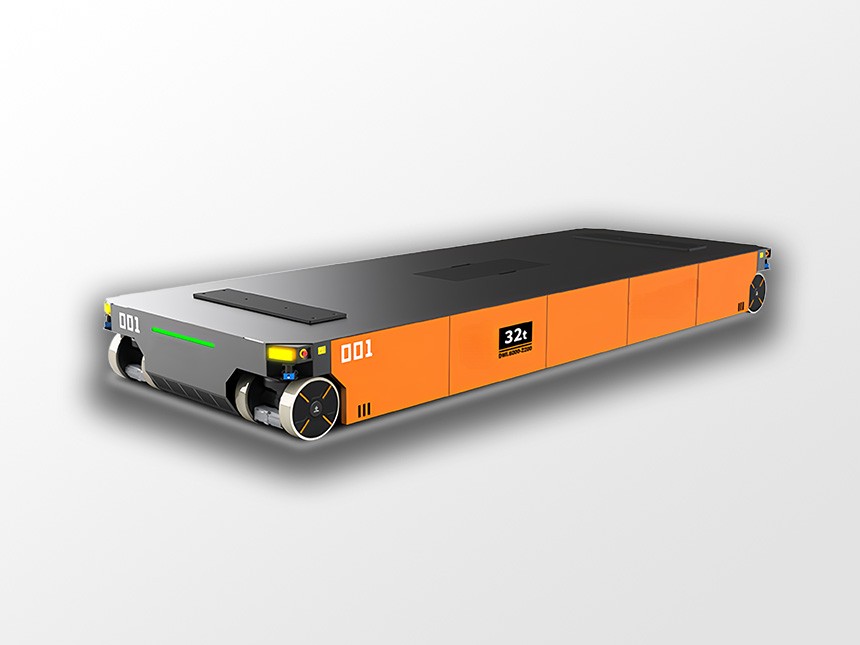
Successful transfer cart installation begins before any equipment arrives at the facility. A thorough site assessment evaluates floor conditions, power availability, existing infrastructure, and the physical constraints of the spaces where the cart will operate. The floor must support the loaded weight of the cart without excessive deflection or settlement—concrete slab conditions vary significantly across facilities, and a structural engineer should assess floor adequacy for the planned load ratings. Floor flatness and levelness directly affect cart stability and steering control, so specifications for floor surface preparation must be established before installation begins.
Power infrastructure assessment identifies whether the facility's electrical supply is adequate for the cart's charging requirements. Battery charging stations require adequate electrical panel capacity, appropriate circuit protection, and sufficient ventilation. If the cart will operate near any areas with explosive atmospheres or special electrical classifications, the installation must comply with the relevant hazardous area electrical codes—a requirement that affects both the charging infrastructure and the cart's own electrical system specifications.
The operational floor surface must be prepared to specifications appropriate for the cart type and load capacity. For standard rail-less transfer carts, a clean, level, smooth concrete surface with adequate load-bearing capacity is the baseline requirement. Joints, cracks, and surface irregularities that create vertical offsets exceeding the cart's wheel suspension travel will cause accelerated wear and degraded ride quality. Surface preparation typically includes filling low spots, grinding high spots, and sealing cracks that could allow debris accumulation or moisture penetration.
Areas where carts will routinely stop—loading positions, charging stations, staging areas—benefit from additional reinforcement or harder surface treatments to withstand concentrated loads from stationary carts. If the cart will operate outdoors or in areas subject to water exposure, drainage considerations and appropriate surface coatings become part of the preparation scope. For facilities with uneven floors, industrial floor coatings or self-leveling compounds can achieve the surface conditions required for reliable cart operation.
Transfer carts typically ship partially disassembled for transport efficiency. Assembly follows the manufacturer's sequence: wheel assemblies and axle components are mounted first, followed by the frame structure, drive motors, and steering components. Each assembly step requires torque specifications to be verified—under-torqued fasteners cause operational failures, while over-torqued fasteners can damage components or strip threads. The manufacturer's assembly documentation should be available to the installation team throughout the process.
After the mechanical structure is assembled, electrical components are installed: battery connections, motor leads, control system wiring, and safety devices. Battery installation requires particular attention to connection polarity and terminal torque—reversed polarity causes immediate electrical damage, and loose battery terminals create fire hazards and intermittent operation problems. All electrical connections should be verified for security and appropriate insulation before power is first applied to the cart.
Modern electric transfer carts require control system programming before operational use. Drive parameters—maximum speed, acceleration rates, deceleration rates, steering response sensitivity—must be configured to match the facility's operational requirements and the cart's load ratings. Incorrectly configured parameters cause either sluggish performance or aggressive handling that makes the cart difficult to operate precisely. The configuration process typically requires connecting a laptop or handheld device to the cart's control system via the manufacturer's diagnostic interface.
If the cart includes navigation or positioning systems—encoders, limit switches, proximity sensors—these must be calibrated after mechanical installation. Limit switches that define the cart's travel boundaries must be positioned accurately so the cart stops at the correct positions without hammering against mechanical stops. Proximity sensors for load positioning and obstacle detection require adjustment to respond at the correct distances. Sensor calibration should be verified under actual operating conditions with representative loads.
Commissioning tests verify that the installed cart meets operational specifications before being released for production use. Empty travel tests check steering response, braking distance, and drive system behavior at various speeds. Loaded tests—with the maximum rated load—verify that the cart performs adequately under full-load conditions, as drive system heating, braking performance, and battery life differ significantly between empty and loaded operation.
Safety system verification is a critical commissioning step. Emergency stop circuits are tested by activating the emergency stop and verifying that power is removed from drive and lifting functions immediately. If the cart includes obstacle detection systems, commissioning tests verify that the cart stops appropriately when obstacles are introduced into its travel path. Dead-man function tests confirm that the cart stops when the remote enable signal is interrupted. No cart should enter production service before all safety systems have been verified to function correctly.
After commissioning, operators and maintenance personnel require training before the cart enters regular service. Operator training covers daily inspection procedures, normal operating procedures, and emergency response actions. The emphasis in operator training should be on the daily inspection—identifying conditions that make continued operation unsafe is more important than knowing how to drive the cart, and operators who understand why inspections matter are more likely to perform them consistently.
Maintenance training for facility technicians covers the maintenance intervals specified by the manufacturer, the specific procedures for each interval, and the troubleshooting approach for common fault conditions. All training should be documented, with sign-off records confirming that each individual has completed training and demonstrated competency. The maintenance documentation package—manufacturer manuals, as-installed drawings, control system configuration records, and commissioning test results—should be organized and stored in a location accessible to maintenance personnel.