+86 183 3953 1958
中文
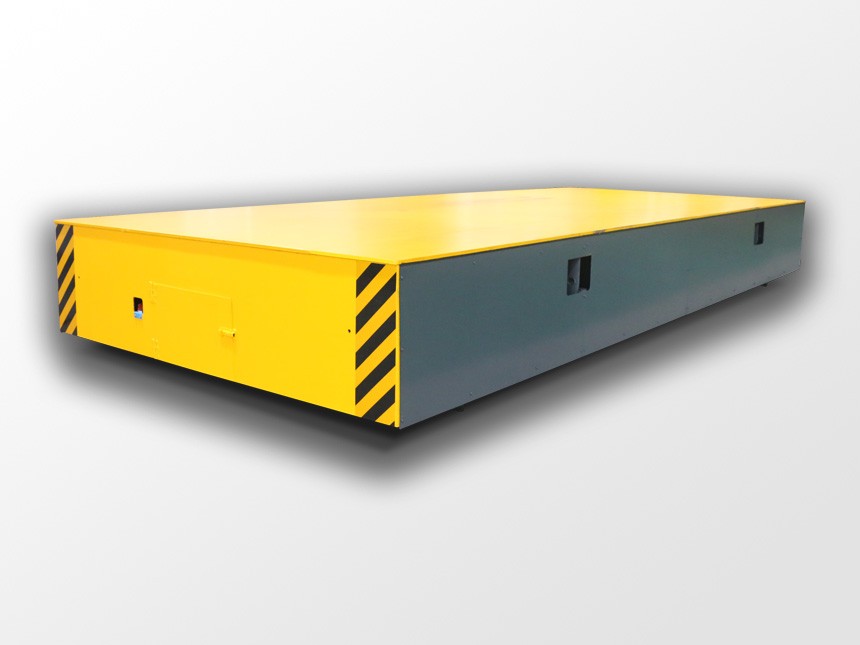
An electric transfer cart represents a significant capital investment, typically expected to serve 8–15 years in industrial operation. Yet many facilities discover that their carts fail well short of that lifespan—not because of design defects, but because of absent or inconsistent maintenance. A bearing that costs $50 to replace during routine service becomes a $5,000 motor replacement and three days of downtime when it seizes during operation. The math is not complicated, but it requires discipline.
This guide provides a practical preventive maintenance framework for electric transfer carts, organized by frequency and component category.
Daily inspections catch problems before they cascade. These checks should be performed by the operator at the start of each shift and documented—a clipboard checklist creates accountability that memory does not.
Before powering on the cart, walk a complete circle around it. Look for: visible damage to the frame or deck, foreign objects caught in wheels or undercarriage, fluid leaks (hydraulic oil, battery electrolyte), loose or damaged cables, and any changes since yesterday's operation. Human operators notice deviations from normal more reliably than any sensor—train them to report anomalies, not just to check boxes.
Power on the cart and verify all control functions: forward and reverse movement at low speed, emergency stop button function (test it—do not assume it works), horn or warning light operation, remote control responsiveness and range (if equipped), and battery charge indicator reading. Any anomaly in these basic checks warrants investigation before the cart enters production service.
Test obstacle detection sensors by walking in front of the cart during low-speed movement. Verify that limit switches trigger correctly. For carts with safety edges or bumpers, physically trigger them and confirm the cart stops. A safety system that was working yesterday may have been damaged during the previous shift without anyone noticing.
Weekly tasks go beyond operational checks into condition assessment and light servicing. Assign these to maintenance technicians, not operators.
For lead-acid batteries: check electrolyte levels in each cell (top up with distilled water as needed, never tap water), inspect terminals for corrosion (clean with a wire brush and apply terminal protectant), verify that vent caps are secure, and measure and record individual cell voltages—a variance of more than 0.05V between cells indicates an unbalanced battery requiring equalization charging.
For lithium batteries: check the BMS (Battery Management System) log for any fault codes or abnormal temperature events, inspect the battery case for swelling or physical damage, and verify that the communication cable between the BMS and the cart controller is secure.
Inspect all wheels for: tread wear (replace polyurethane tires when tread depth drops below 3 mm or when steel reinforcement becomes visible), debris embedded in the tire surface that could damage floor coatings, bearing play (jack the wheel and check for radial or axial movement exceeding 0.5 mm), and uneven wear patterns that suggest misalignment or suspension issues.
For cable-powered carts, inspect the full length of the power cable for cuts, abrasions, and kinks. Check the cable reel tension and retraction function—a cable that doesn't retract smoothly will eventually snag and be damaged. For all carts, inspect motor power connectors and control signal connectors for looseness, corrosion, or heat discoloration (which indicates high-resistance connections).
Monthly tasks involve deeper inspection and proactive component replacement. Schedule these during planned downtime to avoid production conflicts.
Remove motor access covers and inspect: motor mounting bolt torque (re-torque to specification if any are found loose), gearbox oil level and condition (milky oil indicates water ingress, metallic particles indicate gear wear), drive coupling for signs of wear or misalignment, and motor cooling fan and ventilation openings for dust accumulation—a motor that runs 5°C hotter due to blocked ventilation loses insulation life at double the normal rate.
Open the main control panel and: check for loose terminal screws (thermal cycling loosens connections over time—re-torque to specification), inspect contactor contacts for pitting or welding (replace contactors showing more than 30% contact surface damage), verify that all cable glands are tight and seals intact, and clean any dust accumulation from heat sinks and ventilation paths using compressed air at low pressure.
Emergency and parking brakes are safety-critical components that must function independently of the main control system. Test each brake type: measure stopping distance from maximum speed on a clear path (compare to baseline measurements from commissioning), verify that parking brakes hold the cart on the steepest grade it operates on with full rated load, and inspect brake pad or lining thickness and replace if below the manufacturer's minimum specification.
Every 500 operating hours or 3 months (whichever comes first), drain and replace gearbox oil. Use the manufacturer-specified oil grade—substituting a different viscosity changes the lubrication film thickness and accelerates wear. Before refilling, flush the gearbox with a small quantity of fresh oil to remove settled particles. Record the oil change in the maintenance log along with the oil type and quantity used.
Every 6 months, perform a structural inspection of the frame: check all welded joints for cracks using visual inspection and dye penetrant testing on critical load-bearing welds, inspect the deck surface for deformation exceeding 3 mm over any 1-meter length, verify that all bolted connections are at specified torque, and check for corrosion—especially in hidden areas like the underside of the deck and inside box-section frame members. Frame cracks in electric carts typically start at weld toes and propagate slowly; catching them at the dye-penetrant stage avoids catastrophic failure later.
Perform insulation resistance testing (megger test) on motor windings and power cables. A reading below 1 megaohm indicates moisture ingress or insulation degradation requiring investigation. Track insulation resistance values over time—a declining trend predicts future failures even when individual readings remain above the minimum threshold.
The annual service is the most comprehensive and should be budgeted as a planned event, not an unexpected cost.
Certain components should be replaced on a time basis regardless of apparent condition: contactors and relays every 3–5 years (contact wear is cumulative and invisible), wheel bearings every 5 years or 10,000 operating hours, hydraulic hoses (if equipped) every 5 years, and battery cables every 3 years (internal corrosion develops beneath the insulation and is not visible externally).
Check with the cart manufacturer for any controller firmware updates. Updated firmware may include improved safety logic, battery management algorithms, or communication protocol enhancements. Apply updates during the annual service window when there is time to fully test all functions afterward.
Once all maintenance tasks are complete, run the cart under full rated load through a complete operating cycle: verify that speed and acceleration match baseline values, confirm that braking distance under load remains within specification, monitor motor and controller temperatures during the test cycle, and check that battery runtime under load meets the minimum expected duration. A cart that passes no-load checks may still have problems that appear only under load.
The best maintenance schedule is useless if it exists only in a binder. Build maintenance into operations: assign specific people to specific tasks with clear due dates, make the daily checklist a mandatory pre-shift requirement (not an optional "if you have time" activity), keep spare parts for routine replacements in stock—a $30 bearing that sits on the shelf for two years is insurance, not waste, and review maintenance records quarterly to identify patterns (a wheel bearing replaced three times on the same cart in two years points to an alignment problem, not a bearing quality issue).
Preventive maintenance is not a cost center. It is the difference between a cart that runs reliably for 12 years and one that averages two unplanned downtime events per year from year five onward.